By Bus to Fresno by Philip Levine

california licensed tupungato 2

By Bus to Fresno
by Philip Levine

I wakened at a filling station
outside of Wasco to see the light
breaking over the Sierras.
The boy next to me asked were we
there yet. He said it first in Spanish
so perfect I smiled and said no.
When he asked again in perfect English
I said “soon.” In the chill morning
the driver smoked and talked to a man
shirtless and half-hidden under
the hood of a pick up. Soon could mean
before noon or within a year or two.
Soon could mean never, as it did
when we were kids. That day it meant
light would fill the narrow furrows
between the grapes, it meant a tractor
would cough, catch hold, and then die
across the way. It meant work was waiting
for us in the silent offices
ahead, in the back lots of feed stores,
on the greased floors of emergency
rooms and used tire shops. Tired as I am
I would not go back to 1959
with that narrow road swaying past,
the world wakening to miles of cotton
stunned by summer, the boy asleep
beside me. Behind his calm brow
he dreams, perhaps, of a future
rushing toward us sooner than we know.

PHOTO: Highway in Kern County, California, with Sierra Nevada Mountains in the background. Photo by Tupungato, used by permission.

Philip-Levine

ABOUT THE AUTHOR: Philip Levine (1928–2015) was a poet best known for his poems about working-class Detroit. He taught for more than thirty years in the English department of California State University, Fresno and held teaching positions at other universities as well. He served on the Board of Chancellors of the Academy of American Poets from 2000 to 2006, and was appointed Poet Laureate of the United States for 2011–2012.

Highway 58 Spring by Mark A. Fisher

california licensed joe sohm

Highway 58 Spring
by Mark A. Fisher

driving east of Bakersfield
the scent of oranges-yet-to-come
fills the almost clean air
the moon not yet risen from behind
those worn down mountains
not yet green
– not yet smeared with wildflowers
still weeks away
though the dream of them
drifts through the hills
like a tule fog

Previously published in Mojave River Review Fall/Winter 2018

PHOTO: Rolling hills in the spring at sunset off Route 58 near Bakersfield, California. Photo by Joe Sohm, used by permission. 

mark

ABOUT THE AUTHOR: Mark A. Fisher is a writer, poet, and playwright living in Tehachapi, California.  His poetry has appeared in riverbabble, Spectrum, Silver Blade, Penumbra, Lummox, and many other places. His first chapbook, drifter, is available from Amazon. His second, hour of lead, won the 2017 San Gabriel Valley Poetry Chapbook Contest. 

The Grand Silos of the Sacramento by Lawson Fusao Inada

california licensed vince zen

The Grand Silos of the Sacramento
by Lawson Fusao Inada

From a distance, at night, they seem to be

industries—all lit up but not on the map;

or, in this scientific age, they could be

installations for launching rocket ships—

so solid, and with such security, are they. . .

Ah, but up close, by the light of day,

we see, not “pads” but actual paddies—

for these are simply silos in ricefields,

structures to hold the harvested grain.

Still, they’re the tallest things around,

and, by night or day, you’d have to say

they’re ample for what they do: storage.

And, if you amble around from your car,

you can lean up against one in the sun,

feeling warmth on your cheek as you spread

out your arms, holding on to the whole world

around you, to the shores of other lands

where the laborers launched their lives

to arrive and plant and harvest this grain

of history—as you hold and look, look

up, up, up, and whisper: “Grandfather!”

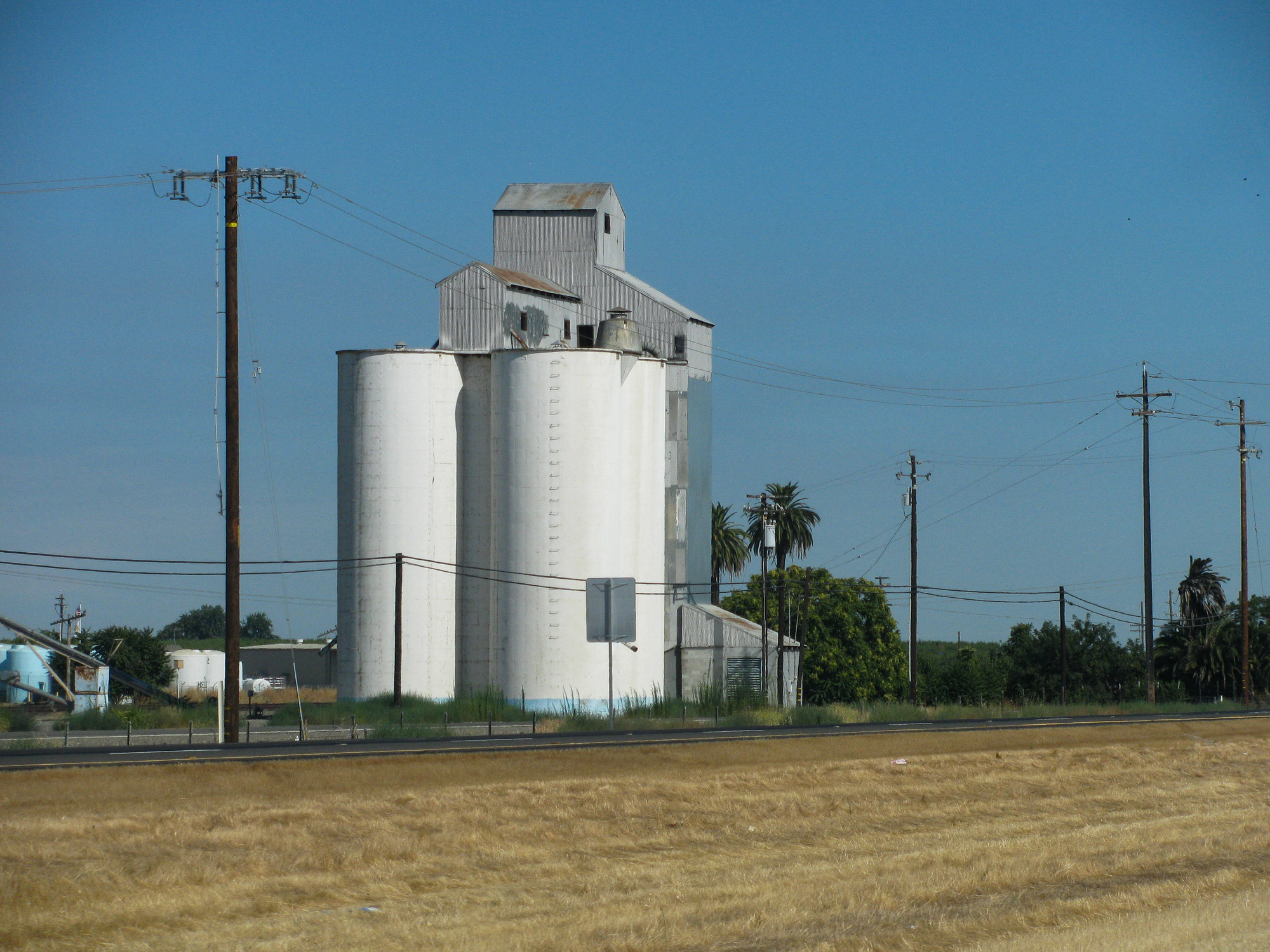
PHOTO: Rice silos, Central Valley, California. Photo by Vince Zen, used by permission.

Lawson-Fusao-Indada_no-credit-uai-900x900

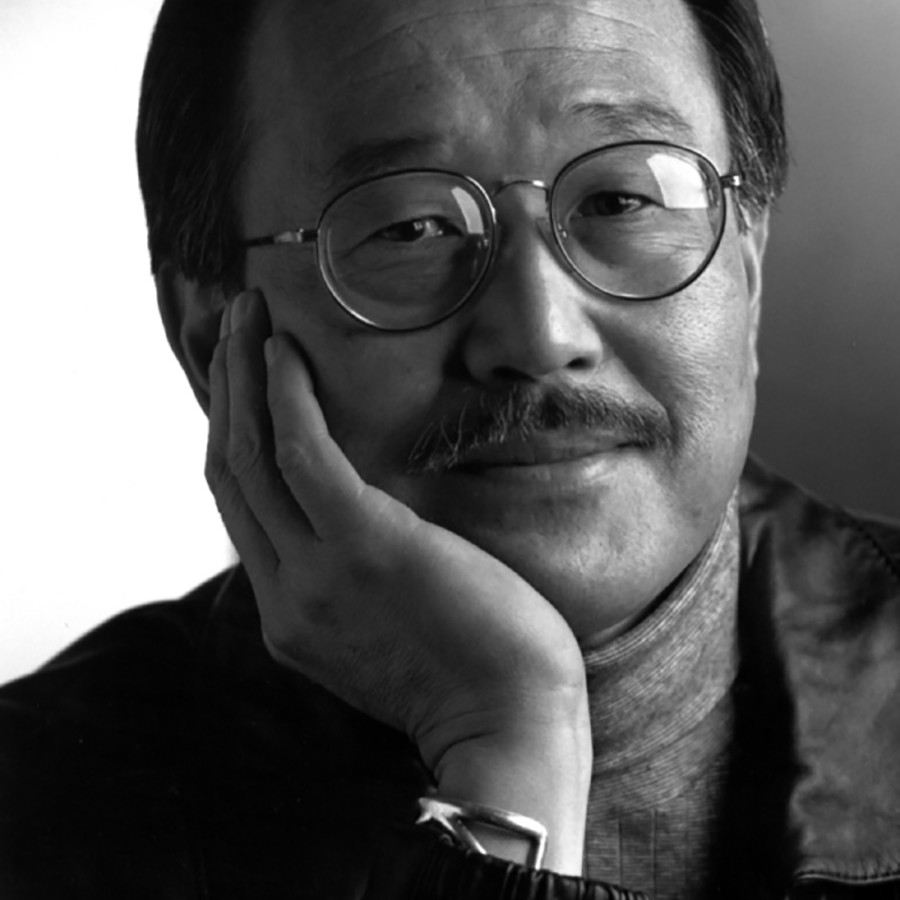
ABOUT THE AUTHOR: Lawson Fusao Inada was born in 1939 in Fresno, California, a third-generation Japanese American. His father was a dentist, and his mother was a teacher. In 1942, Inada and his family were sent to internment camps, first in Fresno, then in Arkansas and Colorado. Inada’s poetry collections include Before the War: Poems as They Happened (1971); Legends from Camp (1992), winner of the American Book Award; and Drawing the Line (1997), winner of the Oregon Book Award. He edited the anthology Only What We Carry: The Japanese Internment Experience (2000), a major contribution to the record of the Japanese American experience. Appointed Oregon poet laureate in 2006, his awards include a Guggenheim Fellowship, fellowships from the National Endowment for the Arts, and a Creative Arts Grant from the Civil Liberties Public Education Fund.

Circumambulation of Mt. Tamalpais by Andrew Hoyem

sergio-casillas-QzbGnbmq0UE-unsplash

Circumambulation of Mt. Tamalpais
by Andrew Hoyem

Those paths on the mountainside which neither ascend nor descend
but proceed at a level, are overgrown from disuse
by human beings if ever they went
along these routes.

Animals and other spirits who do not disturb the foliage overhead
walk through the foothills, past the mountain,
without observing its heights or
the surrounding depths.

Because, while in the vicinity, they are among the moving parts
of the mountain, excepted from the prospect of its apex
and its perspective from a distance
by circumambulation.

These creatures know their locale, make minute observations
of the mountain, recount the pebbles in its paths,
record the fall of leaves, see each other,
watch us climb up, run down.

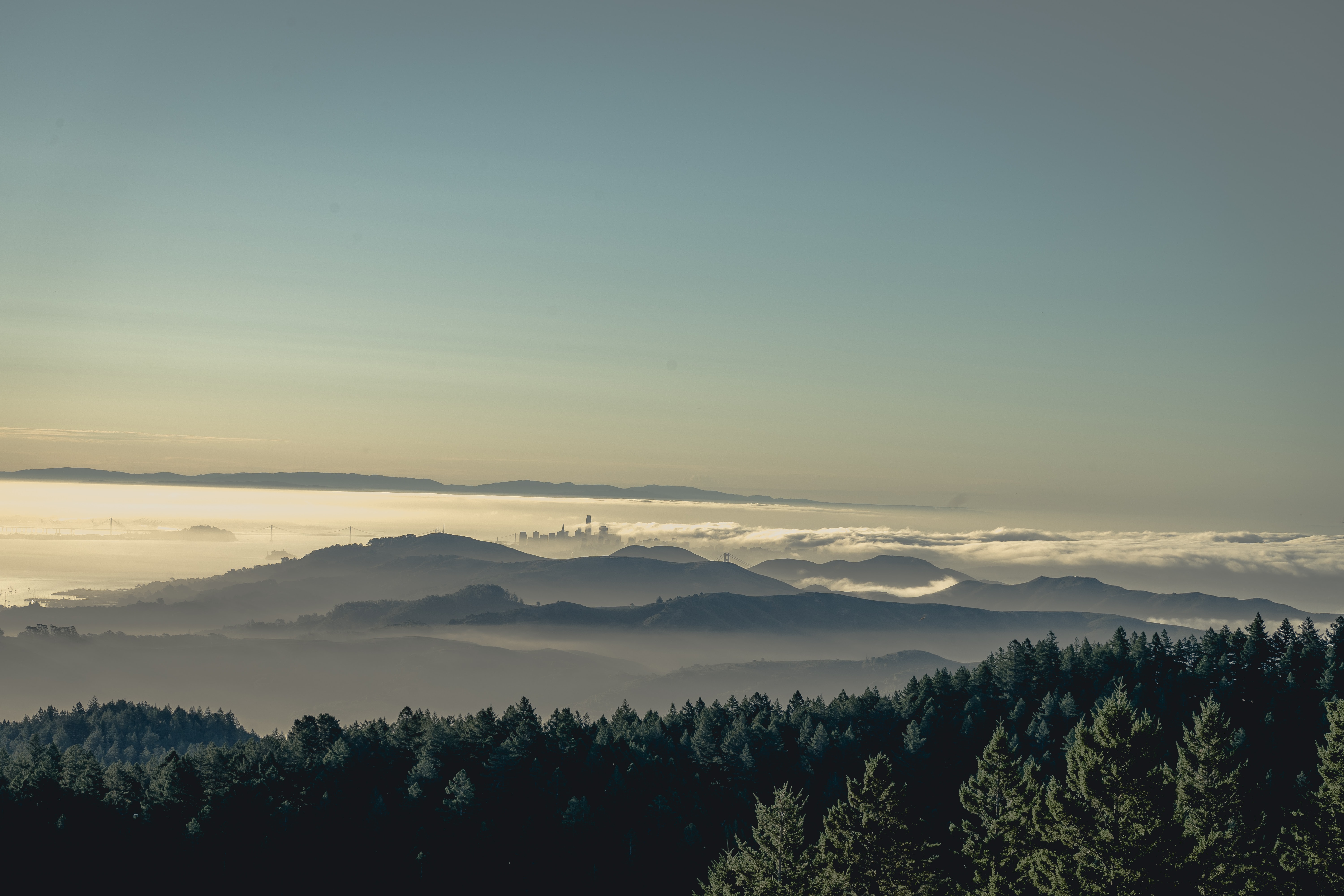
PHOTO: View of San Francisco Bay Area from Mt. Tamalpais (California). Photo by Sergio Casillas on Unsplash

NOTE: Mount Tamalpais, known locally as Mount Tam, is a peak in Marin CountyCalifornia, often considered symbolic of the area. Much of Mount Tamalpais is protected within public lands such as Mount Tamalpais State Park, the Marin Municipal Water District watershed, and National Park Service land, such as Muir Woods. The elevation at the West Peak is between about 2,580 feet. The mountain is clearly visible from San Francisco and the East Bay region.

North of Santa Monica by Carter Revard

california santa monica licensed msphotographic

North of Santa Monica
by Carter Revard

It’s midnight in a drizzling fog
on Sunset Avenue and we are walking
through the scent of orange blossoms and past
a white camellia blown down or flung by someone
onto rainblack asphalt waiting
for the gray Mercedes sedan to run over
and smash its petals and leave us walking in
the smell of Diesel exhaust with
orange-blossom bouquet.

Where the next blue morning
and the gray Pacific meet
as the Palisades fall away
two sparrowhawks are beating
their tapered wings in place, watching
for jay or chewink to stray too far
from their thorny scrub to get back—
and the female suddenly towers,
her wings half-close and she stoops like
a dropping dagger, but down
the steep slope she rockets past them and turns
again into updraft to the clifftops to hover—
as the jay peers out through thorns,
and the lines of white surf whisper in.

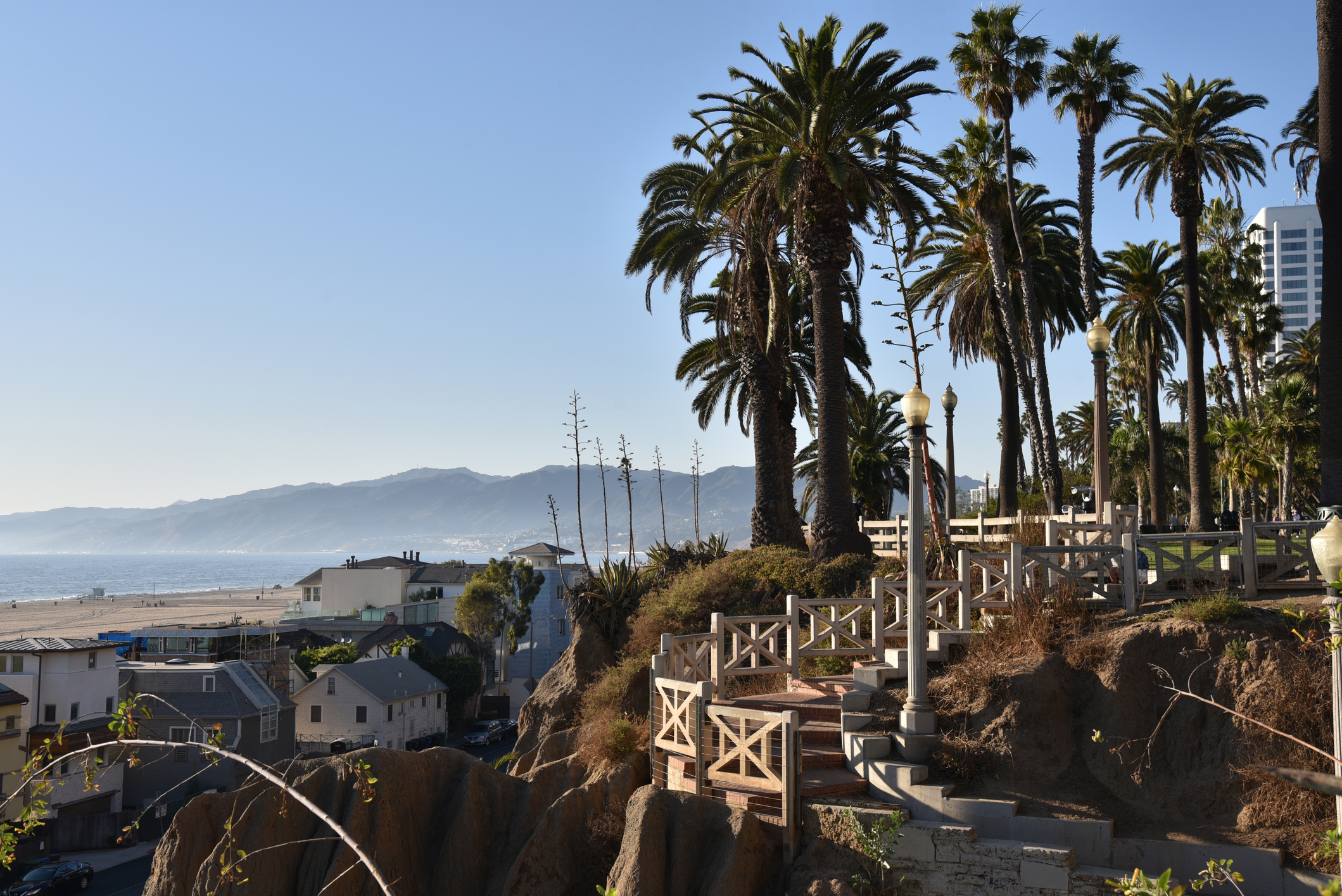
PHOTO:  Stairway leading up to Palisades Park in Santa Monica, California, overlooking the Pacific Ocean. Photo by MSPhotographic, used by permission.

NOTE: Palisades Park is a 26.4-acre park in Santa Monica, California with exposed bluffs, offering views of both the Pacific Ocean and the coastal mountains. This long linear park contains public art, a rose garden, and historic structures, as well as benches, picnic areas, and the historic Santa Monica Camera Obscura.

revard

ABOUT THE AUTHOR: Carter Curtis Revard is an American poet, scholar, and writer of European American and Osage descent, who grew up on the tribal reservation in Oklahoma. He had early education in a one-room schoolhouse, and won a Quiz Bowl scholarship for college, attending the University of Tulsa for his BA. His Osage name, Nompehwahthe, was given to him in 1952 by Josephine Jump, his Osage grandmother. The same year, he won a Rhodes Scholarship for graduate work at Oxford University. After completing a PhD at Yale University, Revard spent most of his academic career at Washington University at St. Louis, where he specialized in medieval British literature and linguistics. Since 1980, Revard has become notable as a Native American poet and writer, and has published several books, as well as numerous articles about the literature, receiving numerous awards for this work. His poetry collections include How the Songs Come Down (2005).

Arboretum by Don Kingfisher Campbell

Los-Angeles-County-Arboretum-and-Botanical-Gardens

Arboretum
by Don Kingfisher Campbell

As you enter pea tail eyes stare at you

A bush of red firecrackers seems to explode

Are those tall thin “candles” speakers from The Time Machine film

Yellow microdresses pirouette from a tree

Spider egg sacks become burst popcorn kernels

Magenta bottle brushes grow outward in all directions

Here’s something strange…rows of perpendicular leaves like green pinwheels on branches

A white six-petaled flower contains a blue tri-petal center that signals pollinators landing target

The arbor with a head of spiky “hair” looks like it walked out of a Dr. Seuss book

Bouquets of tiny lavender; pompoms of fluff

Purple, white and violet bunches form flowerman

Do those stalks of aloe vera bananas taste good

Little suns flower by the side of the walkway

A rabbit the color of dirt hides behind a scraggly weed

Fuchsia teacups dot fuzzy verdant buds

Amarillo “butterflies” nest by the hundreds in limbs

Multiple waterfall cascades like long straight tresses produce foamy spray at the bottom

Angular cactus paddles appear ready to return anything

Freshly painted candy cane mansion glistens in the afternoon sun

Graffitied bamboo pole vaults come in three colors (black, green, and yellow)

Wave goodbye with your palm to the cobalt necked peacock as you leave

PHOTO: Los Angeles County Arboretum and Botanical Garden (arboretum.org). 

NOTE: The Los Angeles County Arboretum and Botanic Garden is an arboretum, botanical garden, and historical site of 127 acres nestled into hills near the San Gabriel Mountains, at 301 North Baldwin Avenue, Arcadia, California.  To learn more about the 3,000-year history of this unique site, visit arboretum.org.

NOTE FROM THE AUTHOR: I am always inspired by the variety of fauna and foliage to be seen every time I visit this large park that used to be the home of settler Lucky Baldwin.

DKC headshot

ABOUT THE AUTHOR: Don Kingfisher Campbell, MFA in Creative Writing from Antioch University Los Angeles, has taught Writers Seminar at Occidental College Upward Bound for 36 years, been a coach and judge for Poetry Out Loud, a performing poet/teacher for Red Hen Press Youth Writing Workshops, Los Angeles Area Coordinator and Board Member of California Poets In The Schools, poetry editor of the Angel City Review, publisher of Spectrum and the San Gabriel Valley Poetry Quarterly, leader of the Emerging Urban Poets writing and Deep Critique workshops, organizer of the San Gabriel Valley Poetry Festival, and host of the Saturday Afternoon Poetry reading series in Pasadena, California. For awards, features, and publication credits,  visit dkc1031.blogspot.com.

James Sutherland-Smith, A Snail in Istanbul

turkey licensed runoman

A Snail in Istanbul
by James Sutherland-Smith

The sultan of moisture creeps
On a flagstone shadowed by nettles.
He carries his turban on his back
And shows his tentacles, a scholar
Bareheaded out of the mosque.
No doubt his hidden mouth is prim
Though his tongue, rough with hunger
Not prayer, will rasp on greenery:
One foot, one lung, one kidney,
One gonad, mostly male, feminine
Only in summer in a place
The Turkish guidebook labels
The Convent of the Whirling Dervishes.

In the octagon of the dance hall,
On a balcony wall overlooking
The dancing floor is a photograph
Of Abandoned holy men, a cluster
Of white frowns with unkempt beards
Like snails stuck to a glossy leaf.
They lingered after Sheikh Galib
The last, great formal poet,
Years after Halit Efendi
Whose body is in a tomb outside.
His head is buried elsewhere.
Their pens and mechanical verses
Are displayed, nibbled by neglect.

On the path the devotee of stealth
Has almost reached the nettles.
His spiral of shell and viscera,
His delicacy, will not be scourged
By the stinging hairs on the stems.
Far above him the curator
Picks tobacco from a lower lip
Before he brushes down the graves
Tilted by subsidence so they seem
Almost imperceptibly to make
A gesture in the dance. Their headstones
Are grey, bearded with inscriptions,
Crested with marble turbans.

PHOTO: Snail on sidewalk in Istanbul, Turkey by Runoman, used by permission. 

smart

ABOUT THE AUTHOR: James Sutherland-Smith  was born in Scotland in 1948, and now lives in Slovakia. He has published seven collections of his own poetry, the most recent is The River and the Black Cat published by Shearsman Books (2018). He has translated a number of Slovak poets, publishing three individual selections in Britain, two in Canada, and one in the United States, and three Serbian poets with two selections from Miodrag Pavlovic and Ivana Milankov in Britain. His translation of poetry has been awarded the Slovak Hviezdoslav Prize and the Serbian Zlatko Krasni Prize. His most recent translation is from the poetry of Mila Haugová, Eternal Traffic, published in Britain by Arc Publications.

Istanbul by Ümit Yaşar Oğuzcan

mosques-4946510_1920

Istanbul
by Ümit Yaşar Oğuzcan

A room in the house, Istanbul in the room
A mirror in the room, Istanbul in the mirror
The man lit his cigarette, an Istanbul smoke
The woman opened her purse, Istanbul in the purse
The child cast a fishing line, I saw,
And he started to draw it, Istanbul on the line
What kind of water is this, what kind of Istanbul
Istanbul in the bottle, Istanbul on the table
It walks with us, stops with us, we are puzzled
She is on one side, I am on the other, Istanbul in the middle
Once you fall in love, I understand
Wherever you go, there you see Istanbul.

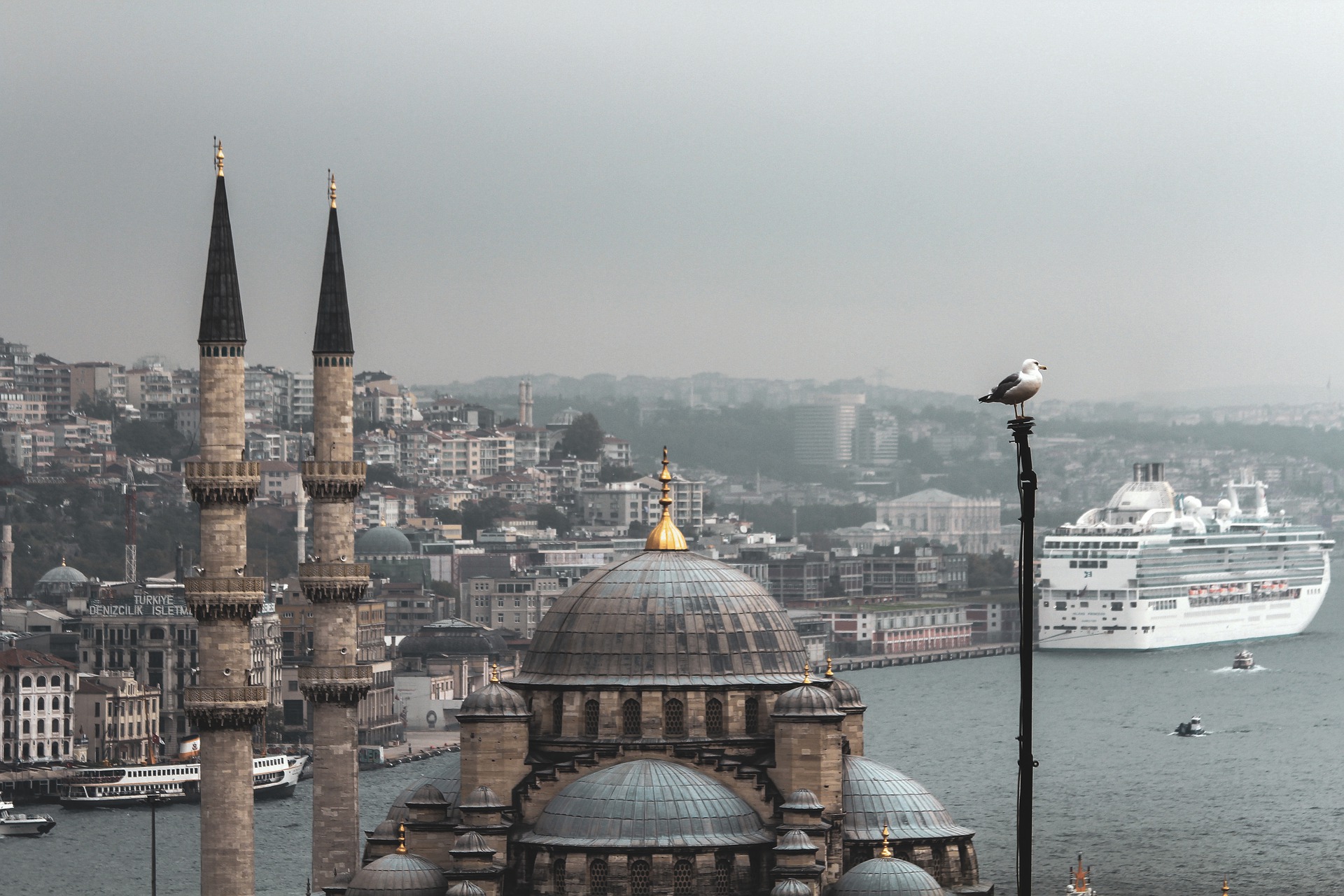
PHOTO: Istanbul, Turkey, with Blue Mosque in foreground. Photo by Şahin Sezer Dinçer, used by permission.

NOTE: Sultan Ahmed Mosque, also known as the Blue Mosque, is an Ottoman-era mosque in Istanbul, Turkey. A functioning mosque, it also attracts large numbers of tourist visitors. Constructed between 1609 and 1616, Hand-painted blue tiles adorn the mosque’s interior walls, and at night the mosque is bathed in blue as lights frame the mosque’s five main domes, six minarets, and eight secondary domes.

ABOUT THE AUTHOR: Ümit Yaşar Oğuzcan (1926-1984) was a Turkish poet. His first poem was published while he was still a student.  His first poetry book appeared in 1947., when he was 21.  In total he has published 33 books of poetry.

That autumn was abundant by Marjorie Agosín

estuary-4766088_1920

That autumn was abundant
by Marjorie Agosín
Translated by Jacqueline Nanfito

That autumn was abundant
In Istanbul the ancient and platinum
Women with their faces covered and discovered

My grandfather arrived on foot to this Ottoman city

From the desolate Sebastopol and from other burned villages,
From the bloody snow.

He spoke about its minarets
Certainly he loved the fields of leaves. Autumn, like a river or
a glowing bonfire
And I don’t know where he went to pray,
Or perhaps he no longer did so in the city of the sultans

But I know in his mouth he carried a needle
Noble metaphor of his trade.

Perhaps he wandered astonished throughout lovely Istanbul
Searching for sustenance or clients
Perhaps inclined, he entered one of the thousand mosques
Where he prayed
While the clocks stood still,
Geographies were erased.
Because the city was merely a golden breeze falling upon the
leaves

A multitude of lights upon the holy minarets,
My grandfather,

A Jewish tailor also took refuge in Istanbul
Also another small Jewish city
Among the thresholds of history.

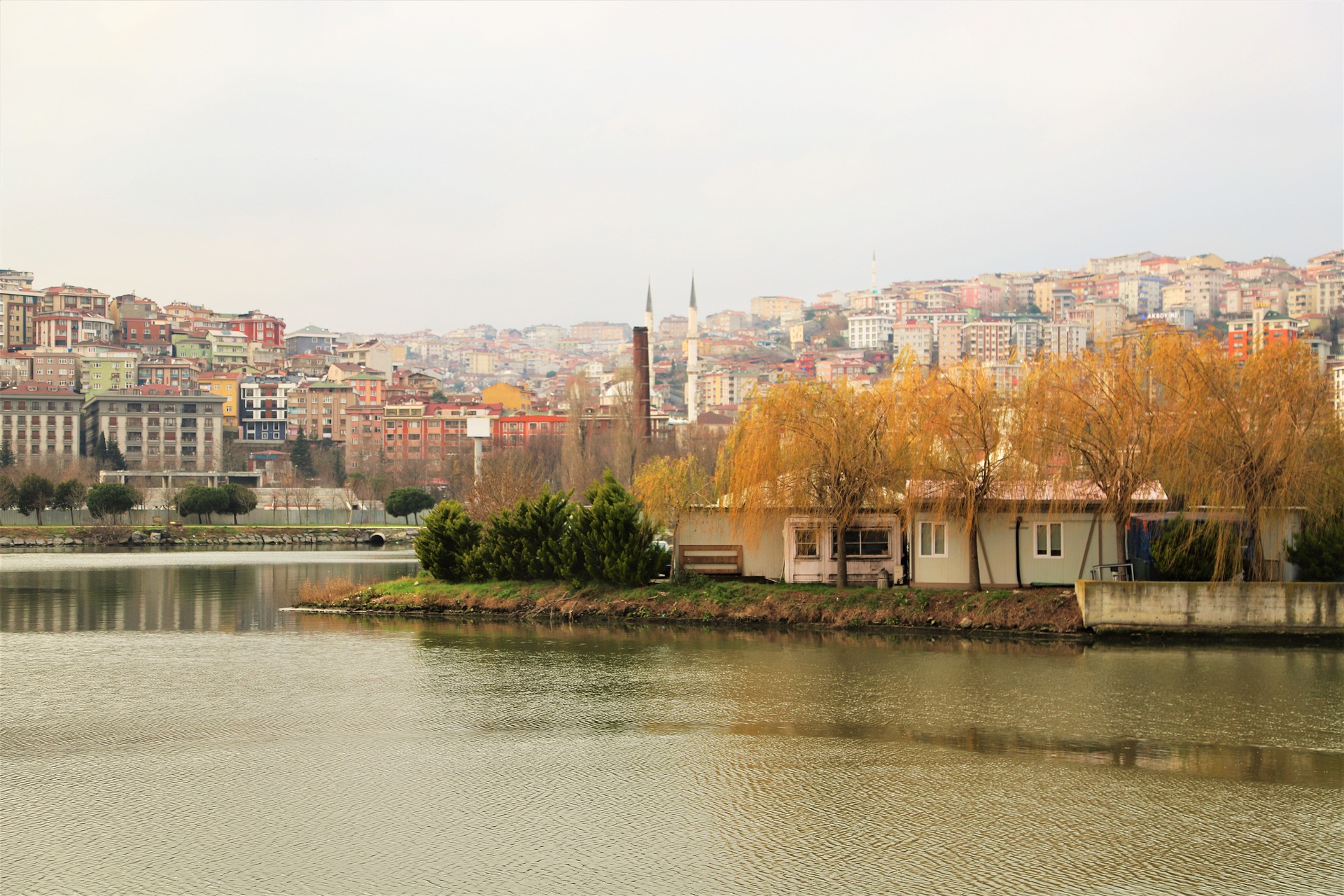
PHOTO: Istanbul, Turkey, marine estuary in autumn by Şinasi Müldür, used by permission.

NOTE: Istanbul, formerly known as Byzantium and Constantinople, is a transcontinental city in Eurasia, straddling the Bosporus Strait (which separates Europe and Asia) between the Sea of Marmara and the Black Sea. Its commercial and historical center lies on the European side and about a third of its population lives in suburbs on the Asian side of the Bosporus. With a total population of around 15 million residents in its metropolitan area, Istanbul is one of the world’s largest cities by population.

Connemara by Maureen Grady

ireland-1972721_1920

Connemara
by Maureen Grady

I must now leave this land
that I love with a physical longing.

There’s a Covid! a tiny local woman calls out,
breathless and afraid,
as she waves to me from the crossroad.
She runs round to my window
to see who I might be,
and what in the world I am doing
there in the far, far west
on national quarantine lockdown day.

No villagers are visible;
all are sheltering.
I explain I’m leaving for America tomorrow,
just had to see this all again.

A fierce March rain pelts my rental car.
Just a minute she calls out,
then disappears behind a food shop.

Mountains of legend tower above me,
the holy wells are full.
The valley streams with waterfalls
and infinite green soothes my soul.

I tell myself I must remember everything,
and sear this beauty into mind,
imprint it all forever.

Minutes pass.
The locked pub door
opens a crack, she peeks out,
and motions me, secretly, in.

She has lit a turf fire,
Now warm yourself.
She lays down a tray before me:
a pot of Barry’s tea,
brown bread and butter,
a bit of chocolate.
Strength for the journey, she says.

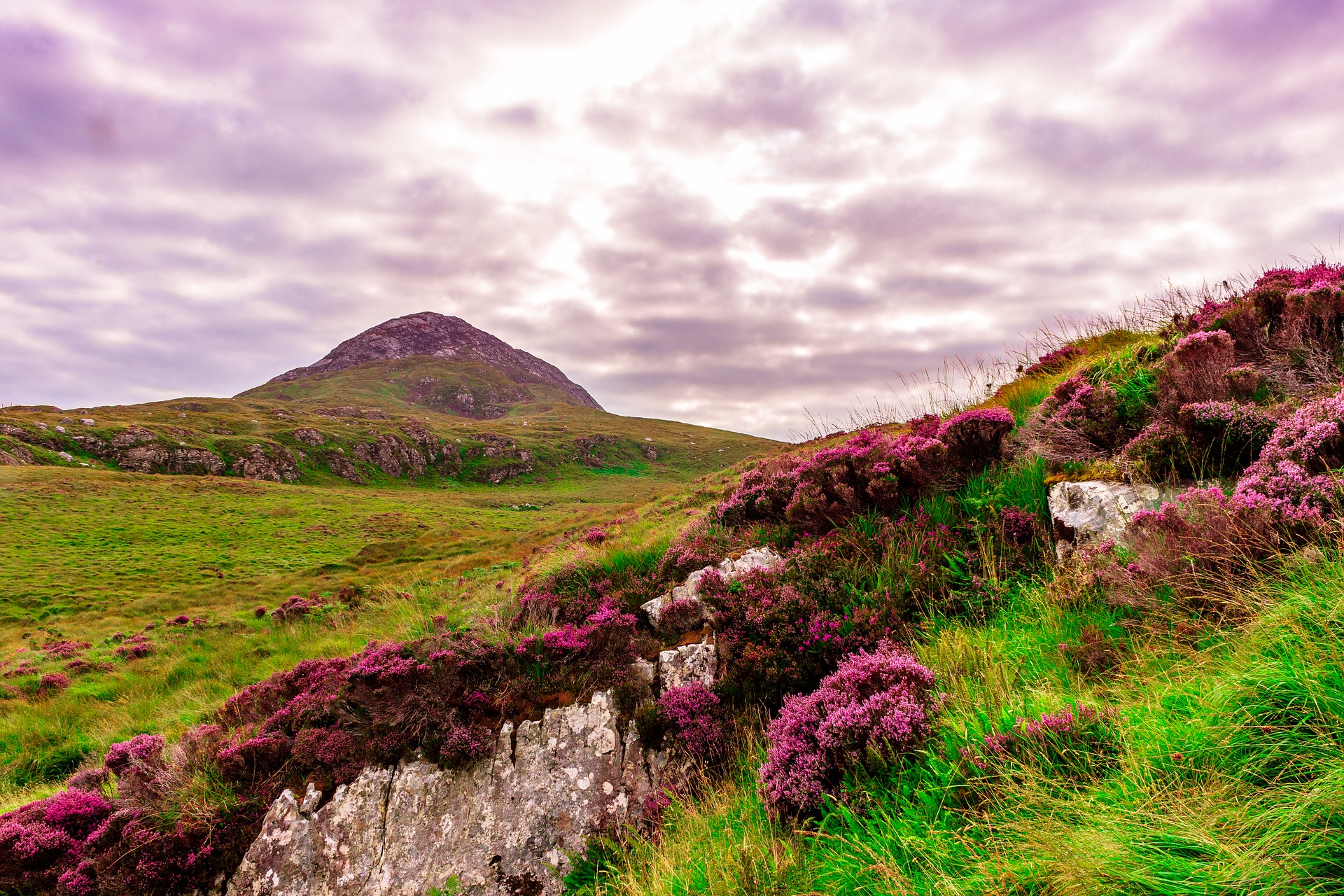
PHOTO: Connemara, County Galway, Ireland. Photo by Jonas Fehre, used by permission. 

NOTE: Connemara is a cultural region in County GalwayIreland. The area has a strong association with traditional Irish culture and contains a major part of the Connacht Irishspeaking Gaeltacht, which is a key part of the identity of the region and is the largest Gaeltacht in the country.

IMG_8396

ABOUT THE AUTHOR: Maureen Grady is author of two books of poetry: Unpack My Heart With Words (2015), and Land of Dream and Dreamer, Poems of Ireland (2019).  Maureen is a writer, teacher, actor, producer, and private writing coach. She has taught British and Irish Literature, Shakespeare, and Creative Writing for many years. Her private creative writing conservatory has nurtured many young women writers. Maureen was fortunate to have John L’Heureux as a mentor at Stanford, and studied with Seamus Heaney  and Eavan Boland.  She has won two teaching prizes: the student-nominated “One of LA’s Most Inspiring Teachers,” and a national recognition for teaching Creative Writing from Scholastic Books given at Carnegie Hall by Tony Kushner. Maureen is a graduate of Stanford University with a BA in Literature, minor in History/Art History. She also has a Masters in Theatre. Maureen is an Irish citizen and divides her time between Ireland and America.