in the meadow magenta by Cynthia Hogue

england licensed aniszewski

in the meadow magenta
by Cynthia Hogue

(reading Robert Duncan in Haldon Forest)

bloom looks
like lupine from afar
but up close the small bell-
like flowers of wild hollyhock

 the holy that forth
came that must

come mystery
of frond fern
gorse a magic
to which I

relate to
land of hillock and

bolder the grayer
sky and wood
the straight flat One
between them barred

by the bushy Scots pine
medicinal veridian of ever-

green which though
gossip rumor spell
or chance change us
is not changed

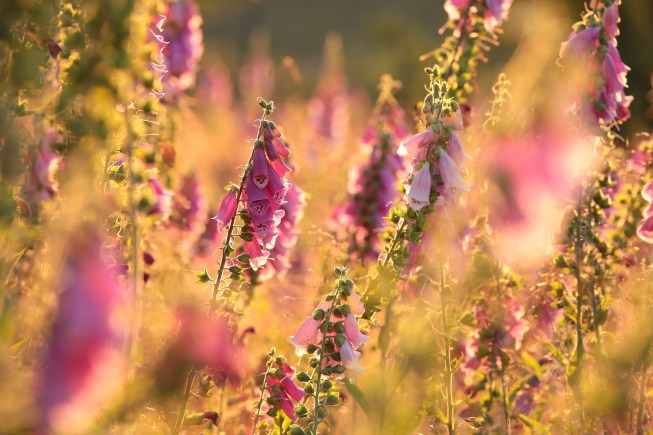
PHOTO: Meadow of foxgloves, a wildflower that abounds in Haldon Forest. The foxglove has medicinal uses but can also be toxic to humans and animals. Photo by Aniszewski, used by permission.

england licensed Jessica Dale

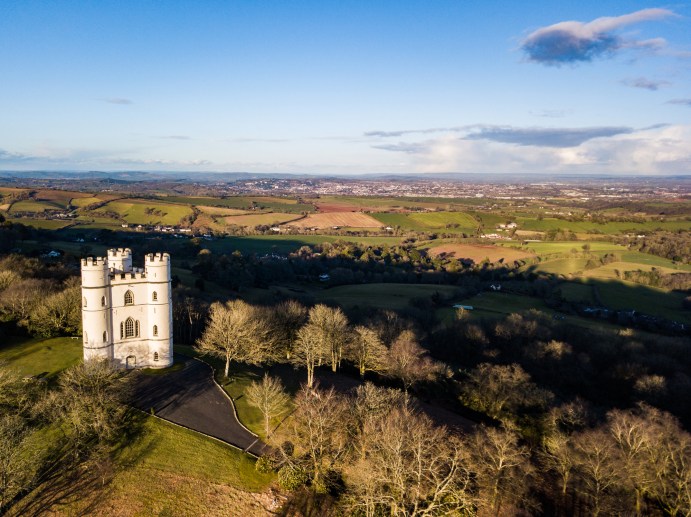
NOTE: Haldon Forest is located in the Haldon_HillsDevonEngland. Consisting of several different woods, Haldon Forest is situated between the towns of Chudleigh and Exminster in southwestern England. Belvedere Castle (also known as Lawrence Castle), stands on a high ridge overlooking the Exe Estuary and can be seen from a considerable distance. Built in 1788, the castle was restored in 1994 from near ruin by the Devon Historic Buildings Trust. 

PHOTO: Aerial view of Belvedere Castle at Haldon Forest in Devon, United Kingdom. Photo by Jessica Dale, used by permission.

Lucille Lang Day, Takamatsu: Ritsurin Garden

japan aagje dejong licensed

Takamatsu: Ritsurin Garden
by Lucille Lang Day

Grafted together, black and red pine embrace—The Happy Couple of Ritsurin Garden, where six ponds brim with koi, yellow or mottled orange and white. Thirteen hills, one called “Mt. Fuji,” surround a man-made waterfall and teahouses in a landscape of oak, pine, plum, and cherry trees holding out tufts of needles or leaves at the ends of limbs with artfully gnarled shapes; boulders in strict arrangements; shrubs trimmed into balls and domes. The garden took more than 100 years to complete—more than enough time for formation of a vortex of floating plastic pellets that albatrosses mistake for fish eggs and feed to chicks who die of starvation, while mottled koi nibble algae in the ponds, and scraps of discarded bottles and bags gather in the sea.

NOTE ON THE POEM: Honorable Mention, Prose Poem Category, Soul-Making Keats Literary Competition, 2019. First published in Nostos: Poetry, Fiction, and Art, Volume IV, 2020.

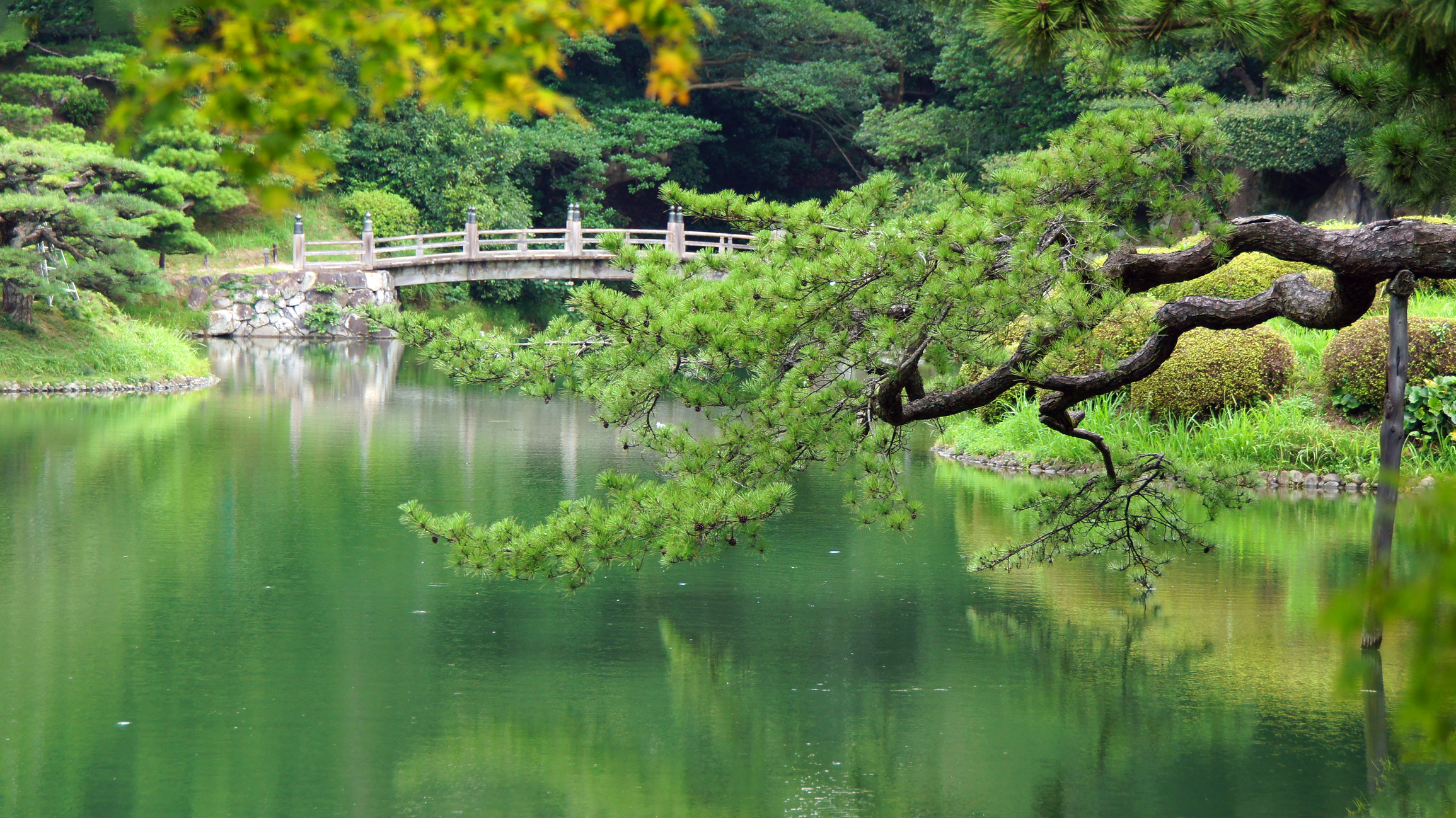
PHOTO: Ritsurin Garden Takamatsu, Japan. Photo by Aagje De Jong, used by permission.

NOTE: Ritsurin Garden is one of the most famous historical gardens in Japan. Situated in the city of Takamatsuon the island of Shikoku in southern Japan, the garden features bridges, footpaths, and hills that offer views of the site and surrounding scenery, most notably Mt. Shiun at the western border of the garden. With buildings that date to the early 17th century, Ritsurin Garden was opened to the public on March 16, 1875.

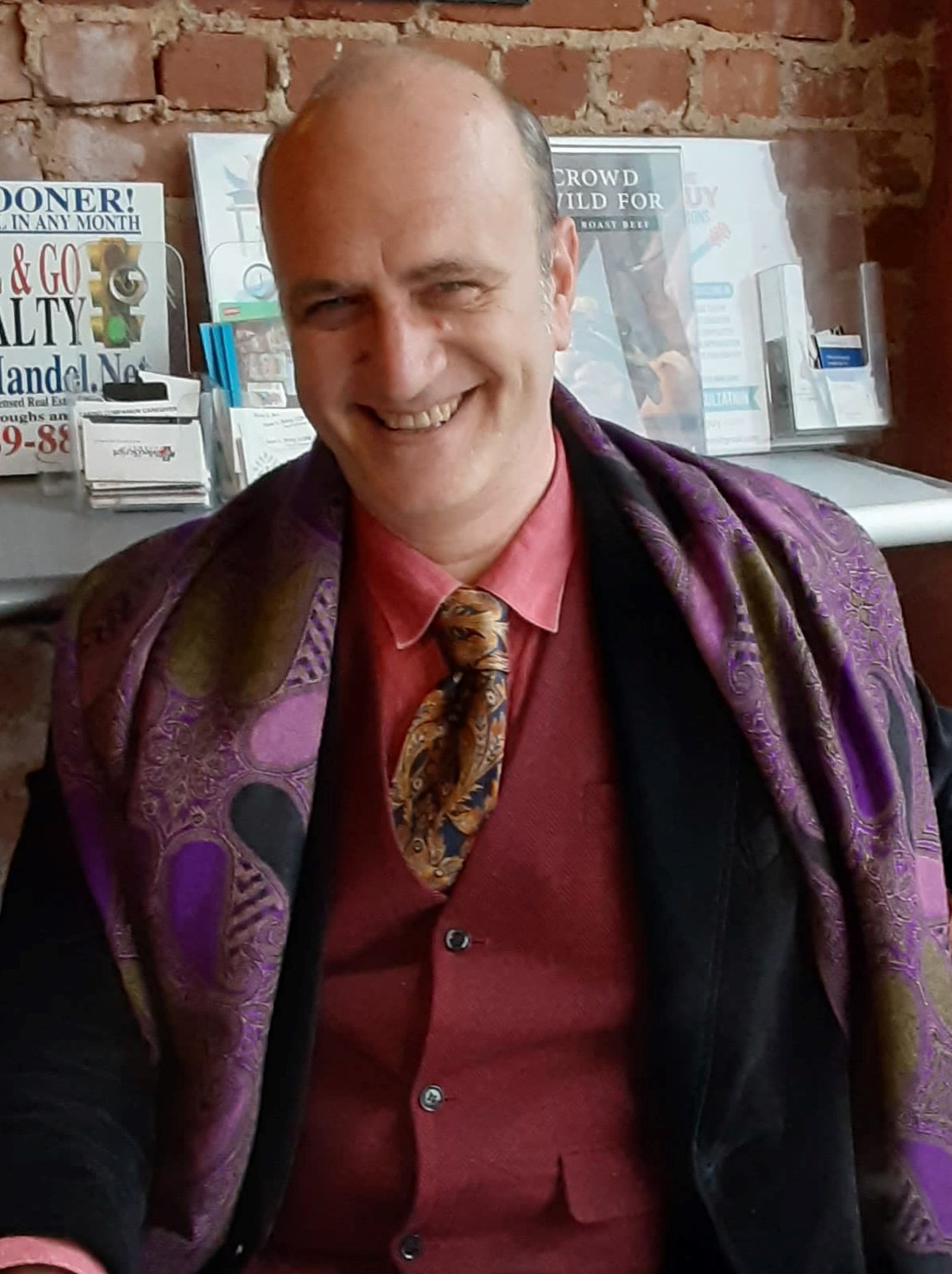
NOTE FROM THE AUTHOR: In May 2019, I visited Japan and South Korea. I was impressed by the beauty of these countries and by the fact that both are about 70 percent mountains and forests. In Japan, I especially loved the formal gardens.

IMG_3823

ABOUT THE AUTHOR: Lucille Lang Day is the author of seven full-length poetry collections and four chapbooks. Her most recent collection is Birds of San Pancho and Other Poems of Place (Blue Light Press, November 2020). She has also coedited two anthologies, Fire and Rain: Ecopoetry of California and Red Indian Road West: Native American Poetry from California, and has published two children’s books and a memoir, Married at Fourteen: A True Story. Her many honors include the Blue Light Poetry Prize, two PEN Oakland/ Josephine Miles Literary Awards, the Joseph Henry Jackson Award, and 10 Pushcart Prize nominations. She is the founder and publisher of Scarlet Tanager Books. Visit her at lucillelangday.com.

PHOTO: The author in Japan (May 2019).

Japanese Brush-Strokes by Jun Fujita

japan-503428_1920

Japanese Brush-Strokes
by Jun Fujita

TWO LEAVES
Under the scowling sky
The frozen sand-plain stretches.
Curled and crisp, two leaves
Scud away.

OBLIVION
There is no time here.
From giant trunks hoary moss
Hangs through the air of shadowy green.
And cool drew drops.

MIST
Above the settling mist,
Above the phantom isles upon the settling mist,
In the opalized moonlight,
The whinny of a horse careers by.

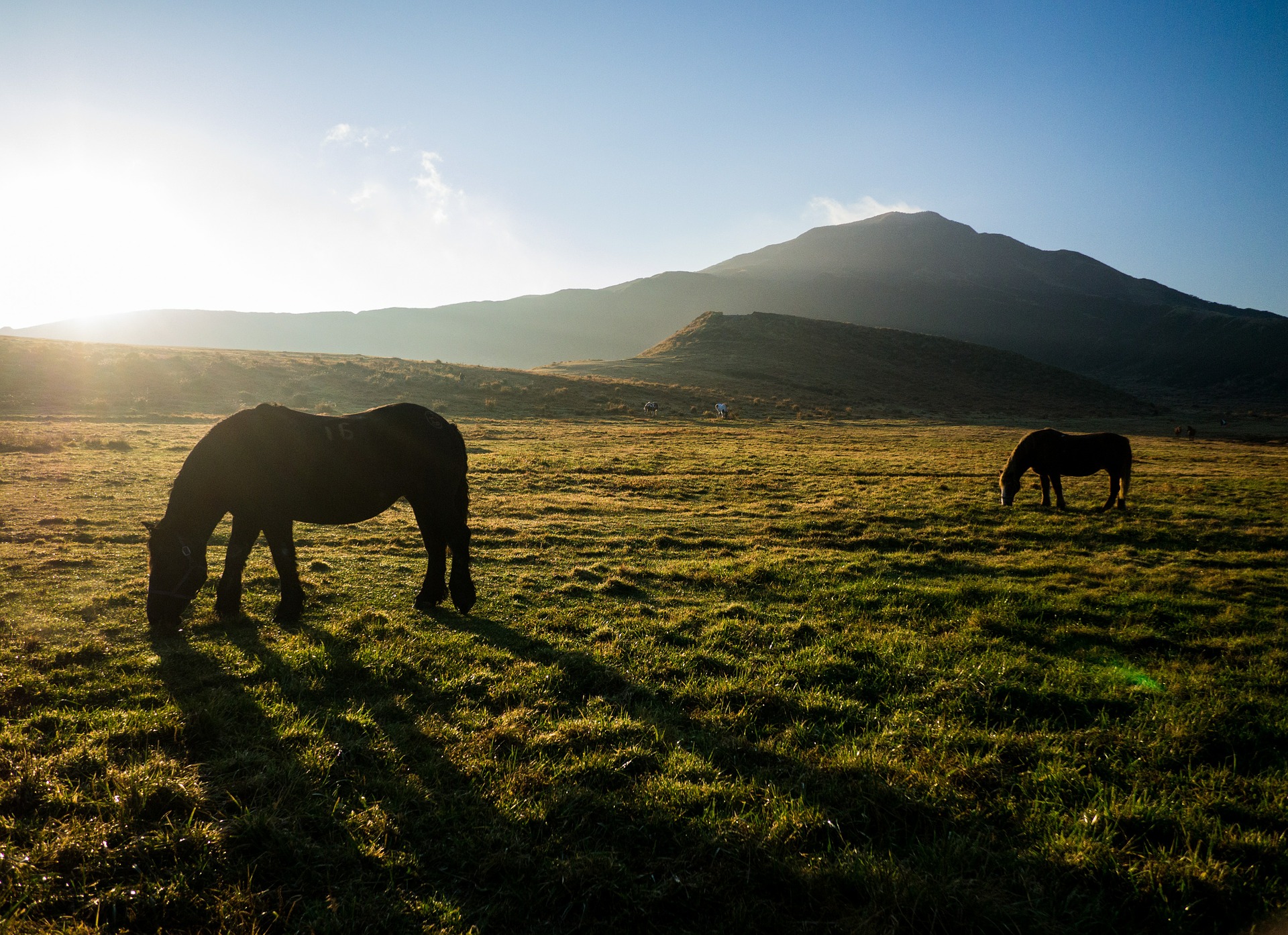
PHOTO:  Horses, Aso Kujū National Park, Kumamoto, Japan, with Kujū Mountains in the background. Photo by Kohji Asakawa, used by permission.

NOTE: Aso Kujū National Park is located in Kumamoto and Ōita Prefectures, Japan, on the country’s southernmost island, Kyushu. The park derives its name from Mount Aso, the largest active volcano in Japan, and the Kujū Mountains.

fujita

ABOUT THE AUTHOR: Jun Fujita (1888-1963) was a first-generation Japanese-American photojournalist, photographer, silent film actor, and poet. Fujita lived in Chicago, Illinois, where he worked for the Chicago Evening Post and Chicago Daily News. The only photographer to document the aftermath of the 1929 St. Valentine’s Day massacre, Fujita also photographed and documented racism against African-Americans. His portraits featured some of the most famous people of his time, including Albert Einstein, Frank Lloyd Wright, and Al Capone. Fujita was also a published poet and author, contributing to literary publications including Poetry magazine. A collection of his poems in Tanka: Poems in Exile, was published by Covici-McGhee in 1923. 

Japanese Poems by Cynthia Zarin

japan licensed feathercollector

Japanese Poems
by Cynthia Zarin

Between the bent boughs
of the splayed sumac the silver
owl rests his head.

The perimeter
left by your absence is long
to walk in one day.

The angel in her
credenza of extreme beauty
dogs swim the river

I look for my heart
by the lamp where the light is
skitter in the wet black leaves

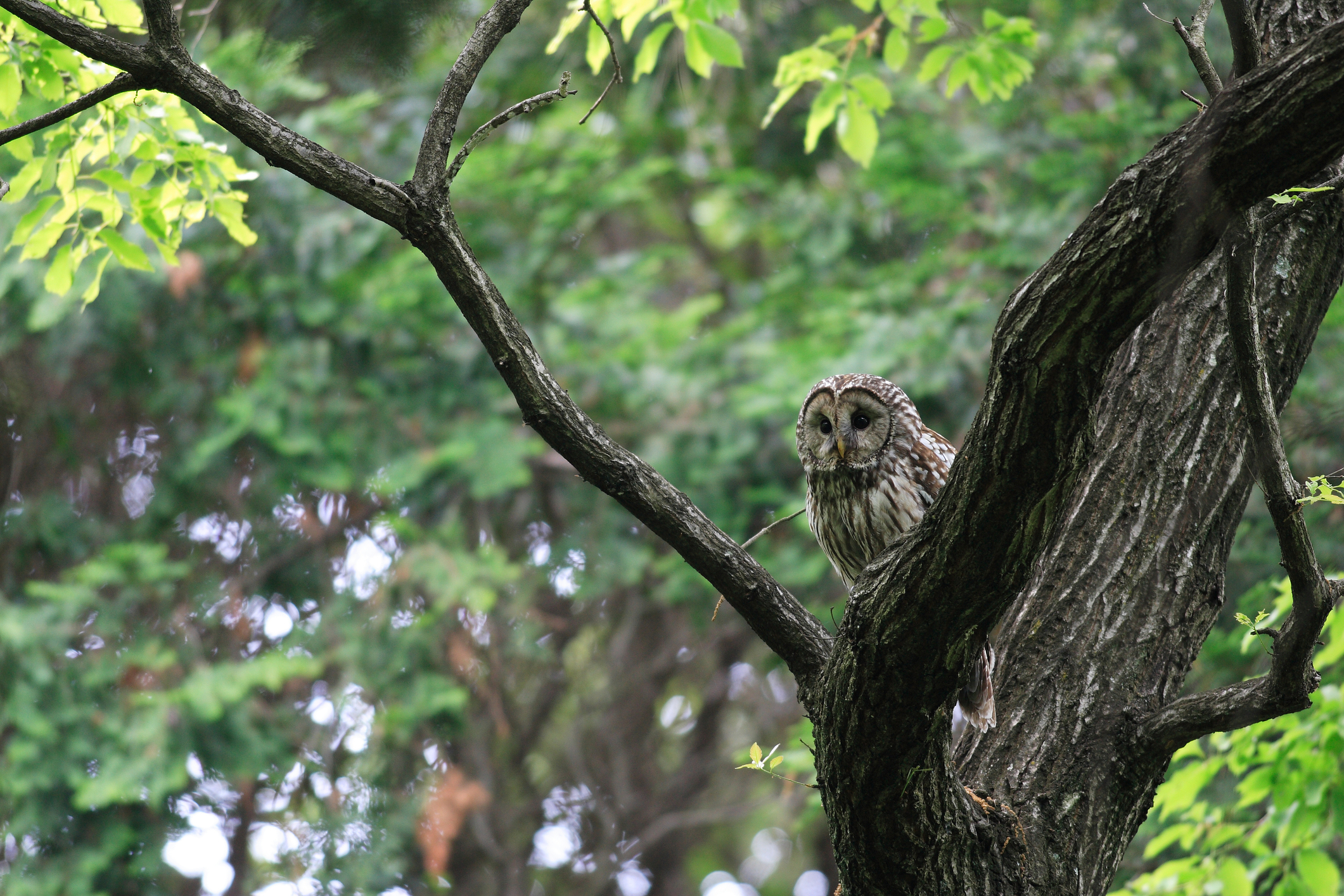
PHOTO: Ural owl in Japan. Photo by Feathercollector, used by permission.

NOTE: The Ural owl is a fairly large nocturnal owl. Both its common name and scientific name refer to the Ural Mountains of Russia, but this species has a broad distribution that extends as far west as Scandinavia, eastern Europe, and central Europe to as far east as Sakhalin and throughout Japan. The Japanese name for owl, Fukuro, can be written in different sets of characters: One set means luck and the another means protection from hardship. Owls have become popular as engimono (Japanese for lucky charms), and an enormous variety of owl merchandise and souvenirs can be found in modern Japan.

The Senses of Progress by David Dephy

brooklyn-bridge-1791001_1920 The Senses of Progress by David Dephy I am walking on the Brooklyn Bridge now. I am listening to the trembling of the rivers. They say: “Remember us, the circumstances of the present and the past shape, the possibilities of progress.” I am walking on the Manhattan Bridge now. I am listening to the rays around me. They say: “See us, by your progress, you generate a future that would not have happened had you not interrupted the flow of happenings.” I am walking on Williamsburg Bridge now. I am listening to the dust of the trees. They say: “Taste us, the progress is a reason of your breathing and the possibility for moving forward is shaped by the facts of reality.” I am walking on the Queensboro Bridge now. I am listening to the joy-voice winds around me. They say: “Hear us, by progressing, you have an effect on how the future unfolds rather than drifting into the future that would inevitably follow the uninterrupted past.” I am walking on the Washington Bridge now. I am listening to the echoes of the wishes. They say: “Touch us, you can-not progress without facing up to what’s happened in the past or is happening in the present.” I am walking on the Verrazano Bridge now. I am listening to the premonition of the events. They say: “Smell us, progress means participating in the present, in light of what has happened in the past, such that you generate and act on new possibilities for the future.” I am walking on my shadow on the street now. The path is listening to my footsteps. I am speaking with the path with all my breath full of silence.

November 21, 2018 New York

Previously published by Nixes Mate Review, January 7, 2019 PHOTO: Brooklyn Bridge with Manhattan Bridge in background. Photo by David Mark, used by permission. NOTE: The Brooklyn Bridge is a hybrid cable-stayed/suspension bridge in New York City, spanning the East River between the boroughs of Manhattan and Brooklyn. Opened on May 24, 1883, the Brooklyn Bridge was the first fixed crossing across the East River. It was also the longest suspension bridge in the world at the time of its opening, with a main span of 1,595.5 feet. It was designed by John A. Roebling. David Dephy 1 ABOUT THE AUTHOR: David Dephy is a Georgian/American award-winning poet and novelist. Winner of the Spillwords Poetry Award and finalist of the Adelaide Literary Awards for the category of Best Poem, he was named as A Literature Luminary by Bowery Poetry andThe Incomparable Poet by Statorec. His work has been published and anthologized in the USA, UK, and all over the world by many literary magazines, journals, and publishing houses. He lives in New York.

Garden of Eden by Tracy K. Smith

garden 1

Garden of Eden
by Tracy K. Smith

What a profound longing
I feel, just this very instant,
For the Garden of Eden
On Montague Street
Where I seldom shopped,
Usually only after therapy
Elbow sore at the crook
From a handbasket filled
To capacity. The glossy pastries!
Pomegranate, persimmon, quince!
Once, a bag of black beluga
Lentils spilt a trail behind me
While I labored to find
A tea they refused to carry.
It was Brooklyn. My thirties.
Everyone I knew was living
The same desolate luxury,
Each ashamed of the same things:
Innocence and privacy. I’d lug
Home the paper bags, doing
Bank-balance math and counting days.
I’d squint into it, or close my eyes
And let it slam me in the face—
The known sun setting
On the dawning century.

PHOTO: Garden of Eden, 180 Montague Street, Brooklyn, New York. Photo by Susan M. 

tracy k smith

ABOUT THE AUTHOR: Tracy K. Smith is an American poet and educator who served as the 22nd Poet Laureate of the United States from 2017 to 2019. She has published four collections of poetry, winning the Pulitzer Prize for her 2011 volume Life on Mars. Her memoir, Ordinary Light, was published in 2015.

Letter Written on a Ferry While Crossing Long Island Sound by Anne Sexton

new york noreen berthiaume licensed

Letter Written on a Ferry While Crossing Long Island Sound
by Anne Sexton

I am surprised to see
that the ocean is still going on.
Now I am going back
and I have ripped my hand
from your hand as I said I would
and I have made it this far
as I said I would
and I am on the top deck now
holding my wallet, my cigarettes
and my car keys
at 2 o’clock on a Tuesday
in August of 1960.

Dearest,
although everything has happened,
nothing has happened.
The sea is very old.
The sea is the face of Mary,
without miracles or rage
or unusual hope,
grown rough and wrinkled
with incurable age.

Still,
I have eyes.
These are my eyes:
the orange letters that spell
ORIENT on the life preserver
that hangs by my knees;
the cement lifeboat that wears
its dirty canvas coat;
the faded sign that sits on its shelf
saying KEEP OFF.
Oh, all right, I say,
I’ll save myself.

Over my right shoulder
I see four nuns
who sit like a bridge club,
their faces poked out
from under their habits,
as good as good babies who
have sunk into their carriages.
Without discrimination
the wind pulls the skirts
of their arms.
Almost undressed,
I see what remains:
that holy wrist,
that ankle,
that chain.

Oh God,
although I am very sad,
could you please
let these four nuns
loosen from their leather boots
and their wooden chairs
to rise out
over this greasy deck,
out over this iron rail,
nodding their pink heads to one side,
flying four abreast
in the old-fashioned side stroke;
each mouth open and round,
breathing together
as fish do,
singing without sound.

Dearest,
see how my dark girls sally forth,
over the passing lighthouse of Plum Gut,
its shell as rusty
as a camp dish,
as fragile as a pagoda
on a stone;
out over the little lighthouse
that warns me of drowning winds
that rub over its blind bottom
and its blue cover;
winds that will take the toes
and the ears of the rider
or the lover.

There go my dark girls,
their dresses puff
in the leeward air.
Oh, they are lighter than flying dogs
or the breath of dolphins;
each mouth opens gratefully,
wider than a milk cup.
My dark girls sing for this.
They are going up.
See them rise
on black wings, drinking
the sky, without smiles
or hands
or shoes.
They call back to us
from the gauzy edge of paradise,
good news, good news.

PHOTO: Lighthouse in Long Island Sound with ferry passing. Photo by Noreen Berthiaume, used by permission. 

NOTE: Long Island Sound is a tidal estuary of the Atlantic Ocean, lying predominantly between Connecticut to the north, and Long Island in New York to the south. From west to east, the sound stretches 110 miles from the East River in New York City, along the North Shore of Long Island, to Block Island Sound. A mix of freshwater from tributaries and saltwater from the ocean, Long Island Sound is 21 miles at its widest point and varies in depth from 65 to 230 feet.

ABOUT THE AUTHOR: Anne Sexton (1928-1974) was an American poet known for her highly personal, confessional verse. She won the Pulitzer Prize for poetry in 1967 for her book Live or Die. 
darkest hour before dawn by Terrence Sykes

bucharest 3

darkest hour before dawn
by Terrence Sykes

in a walachian fog
as i wandered grey
narrow streets
bucharest lay before me

dim lamp posts
yielded forth
precious little
to light my path
my unknown way

mercifully the haze softened
seemingly endless blocks of drab
soviet-era block housing
staler than week-old rye

searching & seeking
cobblestoned streets
echoed stillness & silence

my first or last time
merely a returning
from a previous lived life

whitewashed pollarded trees
stood guard over the
dâmbovița embankment
Or was it the jordan
perchance the river styx

unseen waters
gave apparitions
as if the very source
of the rising mist
that blanketed the city

solemn blackness
of the hours before dawn
were at last broken only by dim
lights — unseen clatter

bakers who toiled
to make their daily bread
did they do it in faith
or merely to stave off hunger

shipwrecked upon
unknown sidewalks
this very hunger drove me
forward & onward

for as when I had
thought myself lost
fragrance of bread
would arise — manna
map from heaven

seemingly after
an eternity
forty years
forty nights
or merely
forty minutes

a small café door was left
ajambed by a faithful brick
as if to invite those who
yearned & hungered

unable to speak the language
placing lei coins & paper money
upon the slanting table
i silently blessed
breaking of fast

strong tea for weak senses
for the stomach — warm bread
a field of unknown grains
harvested my thoughts
as I prayed for the
resurrection of the new day

in a walachian fog
as i wandered the grey
narrow streets
bucharest lay before me

IMAGE:  Bucharest, Romania, travel poster. Prints available at displate.com.

NOTE: Bucharest is the capital and largest city of Romania, as well as its cultural, industrial, and financial center. Located in the southeast of the country, on the banks of the Dâmbovița River, the city is about 40 miles north of the the Bulgarian border.

NOTE FROM THE AUTHOR: One early morning I woke up too early and couldn’t fall back asleep, so I took a stroll and this poem this dictated itself to me and I starting writing in my notebook as I meandered across the city.

sykes-1-1

ABOUT THE AUTHOR: Although Terrence Sykes is a far better gardener-forager-cook . . . his poetry-photography-flash fiction have been published in Bangladesh, Canada, Ireland, India,  Mauritius, Pakistan, Scotland, Spain, and the USA . . . he was born and raised in the rural coal mining area of Virginia and this  isolation brings the theme of remembrance to his creations — whether real or imagined.

Rafaella Del Bourgo, Gazelle in the Berlin Zoo, 1966

gazelles-1913.jpg!Large

Gazelle in the Berlin Zoo, 1966
by Rafaella Del Bourgo

I return to the gazelle, press up against the bars
and she comes to me.
My hand slips through, strokes the curving horn,
bony socket of the eye.
As long as I murmur into her ear,
she will stay as close as the fence allows.

Upon arrival in Berlin, address from an agency in hand,
I knocked at an apartment door, showed the paper
to somebody’s grandmother who nodded and asked,
Sprechen Sie Deutsch?
I shook my head. Do you speak English?
Nein. A silent moment passed.
She shrugged, drew me in to apples and cloves.

I toured the city, returning each evening to the zoo.
Last night, in Frau Schneider’s warm rooms,
we shared spice cookies and tea,
the puzzle of broken language.
Later, in the back of a wardrobe,
I found a woolen SS uniform;
assumed it had belonged
to her husband who had died many years before.

I imagined a barbed wire enclosure, curdled snow,
a woman dripping rags,
the urine-yellow star.

In her dirt compound, the gazelle is fed and sheltered,
but she was meant to fly across the grasslands
with a great herd,
outrunning the cheetah
for as long as she could.

She chews on my hair; I hear a muffled sound.
I wonder what she knows about forgiveness.

First published Poppyseed Kolache, summer 2010.

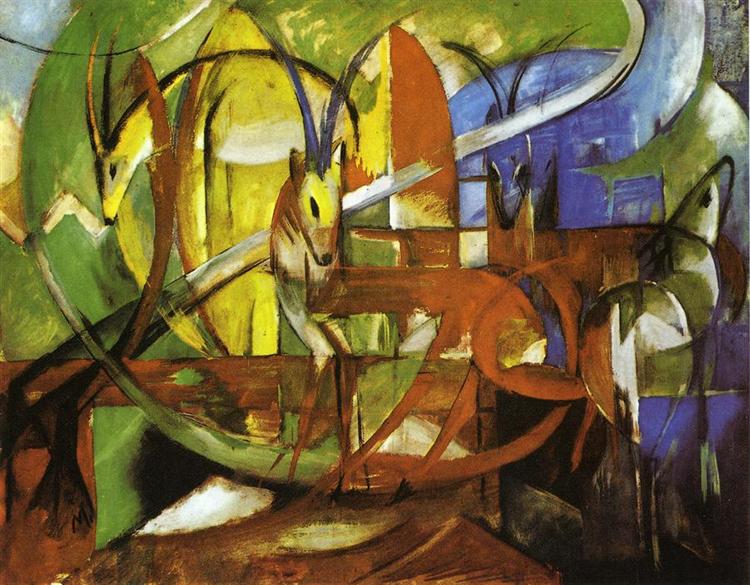
IMAGE: Gazelles by Franz Marc (1913). While living in Berlin, German artist Franz Marc (1880-1916) spent countless hours at the Berlin Zoo studying and sketching the forms of animals from every conceivable angle.  He said, “…instinct has never failed to guide me . . . especially the instinct which led me away from man’s awareness of life and towards that of a ‘pure’ animal . . . an animal’s unadulterated awareness of life made me respond with everything that was good.”

NOTE: The Berlin Zoological Garden is the oldest and best-known zoo in Germany. Opened in 1844, it covers 86.5 acres and is located in Berlin‘s Tiergarten. With about 1,380 different species and over 20,200 animals, the zoo presents one of the most comprehensive collections of species in the world.

del-bourgo

ABOUT THE AUTHOR: Rafaella Del Bourgo’s writing has appeared in Puerto Del Sol, Rattle, Oberon, Nimrod, and The Bitter Oleander. She has won many awards including the League of Minnesota Poets Prize in 2009. In 2010, she won the Alan Ginsberg Poetry Award. She was also the 2010 winner of the Grandmother Earth Poetry Award.  In 2012 she won the Paumanok Poetry Award.  In 2013 she was the recipient of the Northern Colorado Writers first prize for poetry and in 2014, the New Millennium Prize for Poetry.  In 2017 she won the Mudfish Poetry Prize and was nominated for the third time for a Pushcart Prize.  Her chapbook Inexplicable Business: Poems Domestic and Wild was published by Finishing Line Press.  She lives in Berkeley with her husband and cat.

Once in Vienna by Ronald Baatz

vienna3

Once in Vienna
by Ronald Baatz

I don’t want to know this stranger’s story.
I want this stranger to remain an enigma to me.
I don’t want to know him any more than
I want to know the date and place of my death.
Doubtless this stranger has many stories to share.
I can tell by the ancient shoes he is wearing,
and by the way he walks as though his feet are being
mercilessly pinched and he doesn’t expect to live much longer.
I know those shoes, I’ve seen them on other men, scared men,
men that women have no patience for, and who can blame them.
In the end women’s feet are stronger than men’s feet.
Women’s feet live longer. Men’s feet die from an assortment of
stupid actions, like incessantly kicking rocks into other men’s feet.
Just the other day I saw this happening in a local park. Sometimes
what saves a man is simply the shine he puts on his shoes.
Well-shined shoes make all the difference in the world.
Vienna wouldn’t be Vienna without the numberless shiny shoes
that have existed in this city from one century to the next.
Once in Vienna I had drinks with a lovely woman
in a cafe that had small tables and large mirrors.
It was our one and only meeting during which we
unburdened ourselves of life’s gravest concerns.
Our conversation took up most of an evening.
Only when the city lights finally took ravenous
possession of the streets did our words
finally touch upon death, and the loss of all
that is beautiful in this woeful existence.
Such was our mood, such were the words required.
Sensitive frail words for sure, but nonetheless
capable of extinguishing infinite universes at
any given moment, or so the wine seemed to imply.
The wine death so skillfully kept bringing to our lips.
Death, by far the most dangerous of strangers.
Death, who stalks you from the day of your birth.
Death who wants to kill you out of sheer jealousy
over how much you love life, even the fleetingness of it.
Death, who wants to kill you for no other reason
than the fact that you shun
its eternal love for you.

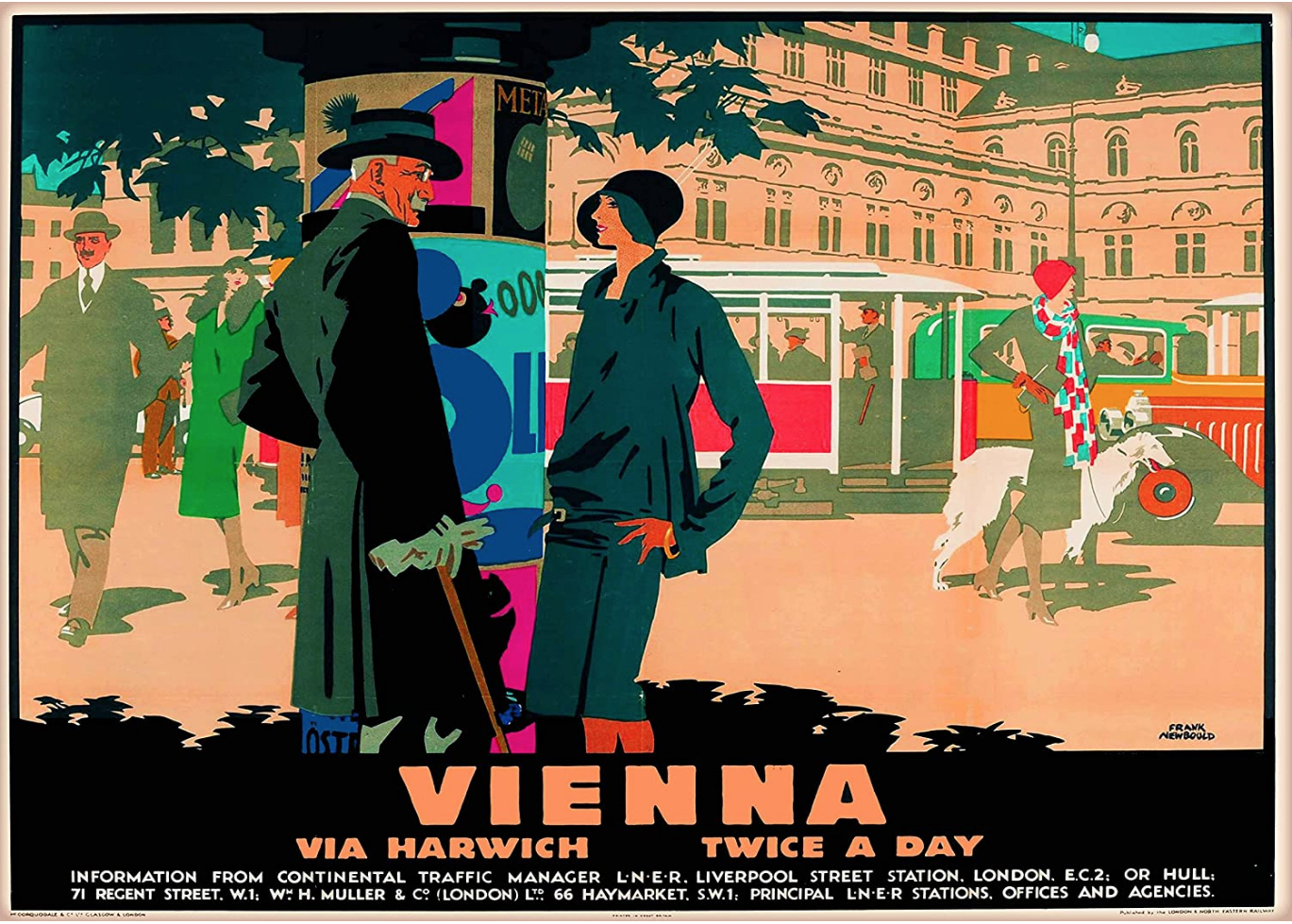
IMAGE: Vintage travel poster, “Vienna via Harwich twice a day” by Frank Newbould. Prints available at Amazon.com.

ABOUT THE AUTHOR: Ronald Baatz lives with his wife Andra and their cat Mooche in Troy, New York.