Cape Cod by Joan McNerney

vintage-2410938_1920

Cape Cod
by Joan McNerney

Hearing waves from a distance and
feeling sea breezes brush our faces,
it seemed a century before we
came to the ocean.

So blue and bright to our eyes
its rhythm broke chains of
unremarkable days.

Over cool sand we ran and you picked
three perfect shells which fit
inside each other. Swimming away in
that moving expanse below kiss
of fine spray and splashes.

With clouds cumulus we drifted while
gulls circled the island. Together we
discovered beds of morning glories
climbing soft dunes.

PHOTO: Lighthouse, Cape Cod, Massachusetts. Photo by Mark Martins, used by permission.

cape cod copy

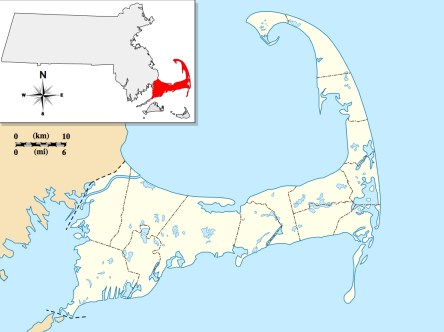
NOTE: Cape Cod is a peninsula extending into the Atlantic Ocean from the southeastern corner of mainland Massachusetts. It extends 65 miles into the Atlantic Ocean, with a breadth of 1-20 miles. The Elizabeth Islands are located to the southwest, and the islands of Martha’s Vineyard and Nantucket lie to the south. The Cape Cod Canal, 17.5 miles long, cuts across the base of the peninsula, separating it from the mainland.

IMAGE: Map of Massachusetts, showing location of Cape Cod.

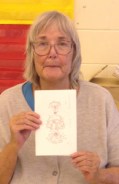
NOTE FROM THE AUTHOR: My husband was also a great swimmer. How we loved to go to the Cape on a long weekend when we lived in Boston.

joanatpool-copy1

ABOUT THE AUTHOR: Joan McNerney’s poetry is found in many literary magazines, such as Seven Circle Press, Dinner with the Muse, Poet Warriors, Blueline, and Halcyon Days, as well as in four Bright Hills Press anthologies, several editions of the  Poppy Road Review, and numerous Spectrum Publications.  Her latest title, The Muse In Miniature, is available on Amazon.com and Cyberwit.net.  She has four Best of the Net nominations.

In the Mountains by Laurel Benjamin

alberta-2297204_1920

In the Mountains
              Rocky Mountains, after Pablo Neruda’s “Walking Around”
by Laurel Benjamin

It so happens that I live in the mountains
with goats’ many-directional hair and
white cliffs until June
when I leave forever
the expansive hoary spectacles
which magnify each moraine.

The scent of my friend the coyote reminds me,
his saliva full of punctured granite—
on his smooth journey up boulder faces
he has spied monkey flower and blue columbine
knows no misery in his haunt.

It so happens that I circle the top
where tourists drive on interstate highway elevation
over 12,000 feet, no blossoms on new snow—
the sign says “Sensitive area. Keep off.”

I would feel lucky rolling the dice
over in Nevada, but I don’t believe
in the root and the saw
or series of mishaps—
I have as much power as I’d like
have seen the corpses of elk
bones run raw after winter
candelabra for mourners
in a dining room for the wealthy.

I don’t want to go on
with the song I was raised to sing
winging close to stars until I can no longer
rise, until I can stretch my fabric no more.

I want what the past offers
unrealistic, impossible, whipped cream,
nuts, a cherry, and caramel sauce
on top of toasted almond ice cream,
knotty pine cabin beside a Spring river
which catches the same branch over and over,
chairs facing each other
pad of paper and a pen
cup of hot tea.

That’s why I’m branded for life—
someone etched it into my bones
before I left the hospital
never a cheery word from the nurse
and the curtains
stripes one way, circles the other
dripping of coffee candies
not the purple sours my father loved.

And it pushes me on in spite of
this weight—the message of attachment—
is it need, assertion, hopelessness, or hope?

There are valleys I have never seen
between mountains I have never traveled
with a different kind of sedge,
words none can read
except the scholars—

I climb even if I don’t want to
without and within, fescue and horseshoe,
where moose look up and return to feeding
instead of hiding behind the drain of some bush,
where the ring-necked duck
bobs at the same time as its mate
rather than keeping watch.

I climb rather than stay
where there is only dry grass,
empty yards, discarded recycling pails,
scissors, nail file
electric toothbrush
the bed, the chair—
where there are walls, gardens,
peacocks, and crows.

PHOTO: Rocky Mountains, Alberta, Canada. Photo by James Wheeler, used by permission.

NOTE: The Rocky Mountains stretch 3,000 miles from the northernmost part of British Columbia, in western Canada, to New Mexico in the Southwestern United States.  The Rocky Mountains formed 80 million to 55 million years ago during the Laramide orogeny, in which a number of plates began sliding underneath the North American plate. Of the 100 highest peaks in the Rocky Mountains, 78 are located in Colorado, 10 in Wyoming, six in New Mexico, three in Montana, and one in Utah.

Rocky Mountains

NOTE FROM THE AUTHOR: I spent ten days hiking in May one year in the Rockies, and was astounded by the wildlife. Neruda helped me give form to the narrative.

PHOTO: The author hiking in the Rocky Mountains.
benjamin1

ABOUT THE AUTHOR: Laurel Benjamin lives in the San Francisco Bay Area. Her work has appeared in Turning a Train of Thought Upside Down: An Anthology of Women’s PoetryCalifornia Quarterly, The Midway Review, among othersShe is affiliated with the Bay Area Women’s Poetry Salon and the Port Townsend Writers. More of her work can be found at thebadgerpress.blogspot.com.

Always Iowa by Janet Banks

iowa-4101592_1920

Always Iowa
by Janet Banks

Not one recognizable face on the plane,
in the airport John Deere memorabilia
beckon from the gift shop,
the state, empty of love.

Mother, spiffed up, her coiffure a pale shade
of apricot, Dad chewing on a bit of paper
to calm his nerves as he paces,
both long gone to graves. No welcoming.

Kathy, once the closest of sisters
Until the falling out,
Dead and buried too.
No apology awaits.

Me, a town girl, too soft for farm life,
no interest in hard labor, the science of agriculture,
dependence on the whims of weather,
the isolation, fled to the Isle of Manhattan.

Sixteen years absent, I return.
So much sky, oyster-grey clouds
tinged a bluish purple, weather in the wind.
Gravel kicks up dust, roads narrow and straight,
close to the corn.

I mourn as my father would to see paint peeling off
our former home. Out back the climbing roses
always blooming on my birthday, gone.
Gone too are the plum tree, the lilac and gooseberry bushes, the cherry tree.
The lightning bugs that flickered on summer nights?
Perhaps they still return at dusk.

A neighbor boy who never left his mother’s home, now old like me, answers,
“It’s the cancer mostly.”
Mother’s young friends, Larry and Diane across the street,
dead. Meryl’s wife, Diane dead. Mrs. Walker, gone,
my playmate, another Diane, dead.

Polished pink granite waist high, modest,
reads simply O’Donnell. Parents’ headstones bracket
Helen’s their first born daughter, the sister I never met,
her grave lovingly tended.
Helen was always with us, always missing.

I skipped through childhood in the Sunny Hill Cemetery
avoiding the grassy mounds so as not to disturb.
Death was always pending. The buckeye nuts,
thought to bring one luck, souvenirs,
now on my desk at home in Boston, at my fingertips.

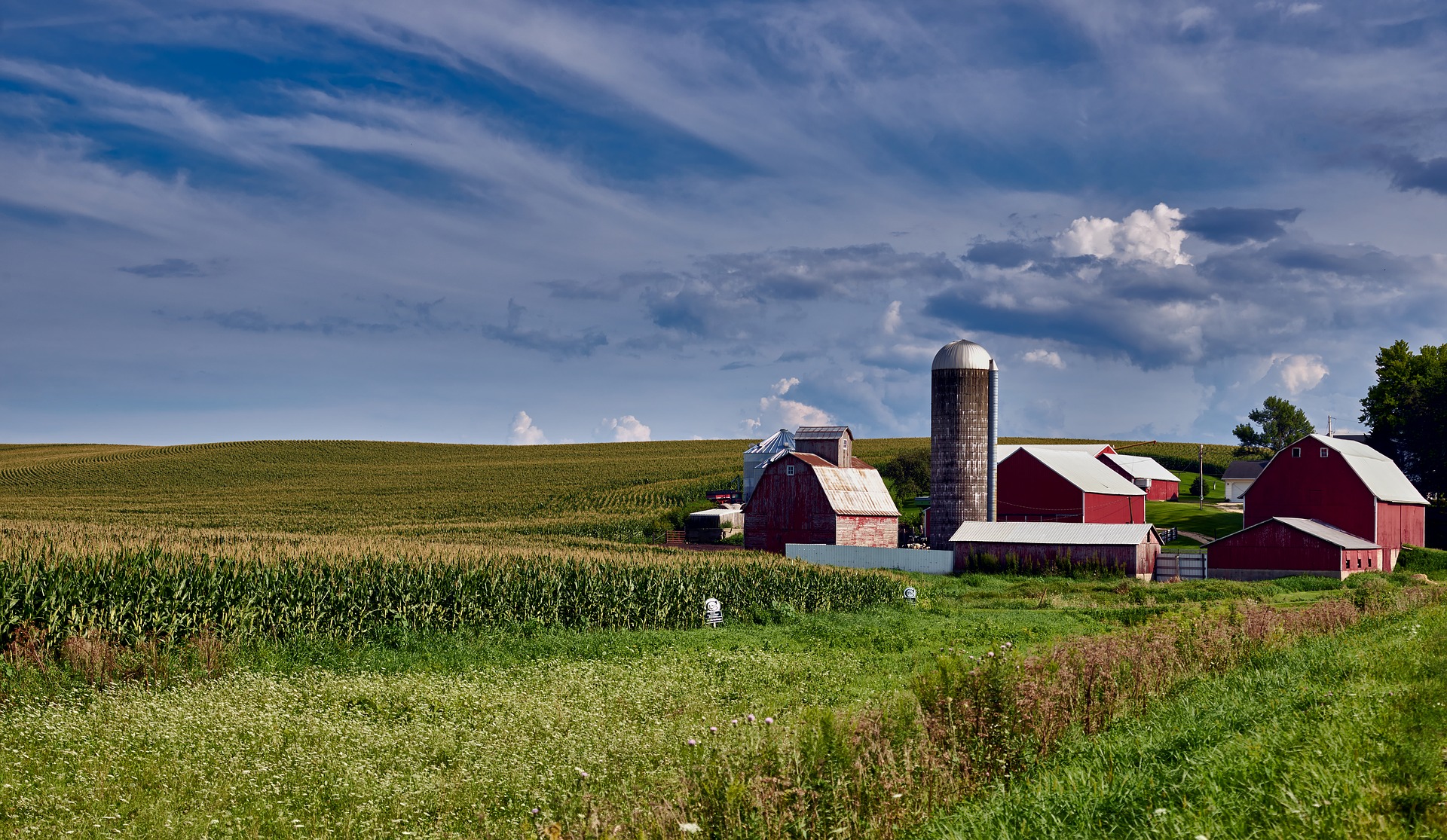
PHOTO: Iowa farm photo by Pixabay. 

banks 1

NOTE FROM THE AUTHOR: I returned to Iowa in 2016 for what I assumed would be a final goodbye to the geography of my youth. The itinerary: Six days; eight towns; seven hundred miles of highway. After writing an essay about the trip, I was inspired to compress the highlights into verse. The Drake University sweatshirt commemorates a 50th anniversary, and my choice to move on.

PHOTO: The author in Iowa (2016). 

ABOUT THE AUTHOR: Janet Banks is a writer who is exploring the joys and challenges of aging in real time. Her personal essays have been published by Cognoscenti, The Rumpus, Entropy Magazine, Silver Birch Press, and Persimmon Tree among other on-line sites. Shortly after retiring from a corporate career, she was published in the Harvard Business Review. Her essay is included in HBR’s Summer 2020 Special Issue: “How to Lead in a Time of Crisis.” She began writing poetry during the pandemic of 2020.

Missing My Father in Iceland by Robert Coats

Iceland, Natl. Park

Missing My Father in Iceland
by Robert Coats

We could have hiked together at Ϸingvellir
into the cleft between parting tectonic plates,
you with khaki rucksack and rock hammer
explaining your work on the Aleutian volcanoes,
and how twisted outcrops form
when basalt flows into a subglacial lake.

I could have told you how the settlers’ sheep
ravaged the scraggly birch forests of the Island,
how the sod blankets tore away
in fierce Arctic wind and how
the Independent People shivered and starved
through the Little Ice Age.

Together we would have admired
the ingenuity of the engineers
who capture volcanic heat,
and discussed the terrifying rate
of glacial retreat, the fate
of this land and its people
if the Gulf Stream shuts down.

You would have liked
the alpine fells and moors of Vatnajökull
the gray-green moss-draped lava flows
at Leirvogsvatn, the steep cliffs
of Borgarfjörður in the wind,
always the wind.

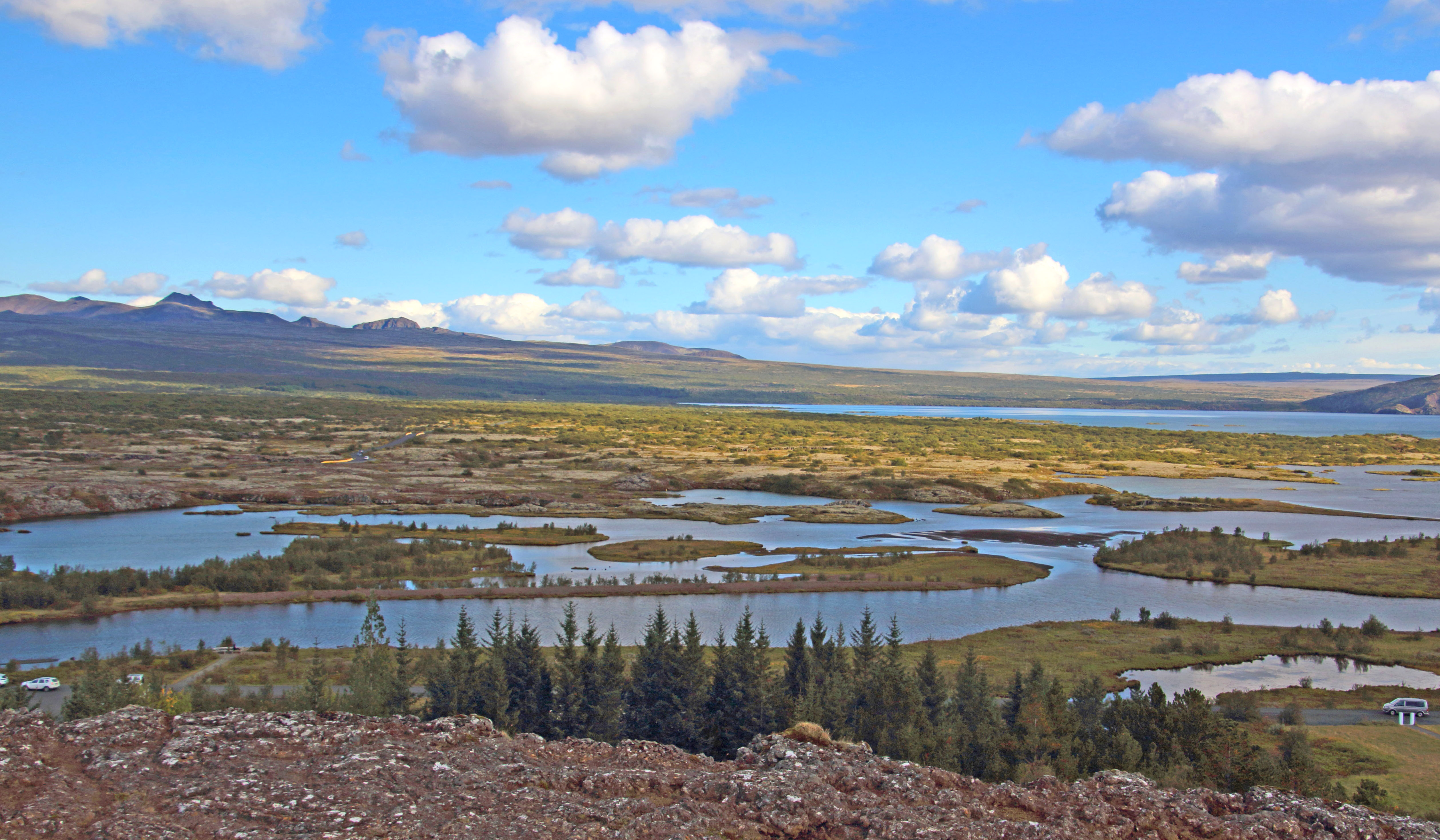
AUTHOR’S PHOTO CAPTION: Ϸingvellir National Park, Iceland, a site of great historical and scientific interest. The first European Parliament was convened here in the year 930, and here a rift—large enough to walk through— is opening between the North American and Eurasian tectonic plates. Photo by author.

NOTE FROM THE AUTHOR: In recent years, Iceland has become a very popular destination for tourists from North America and Europe.  Many were introduced to the struggle of Iceland’s people during the poverty of the 1930s by reading Haldor Laxness’s Nobel Prize-winning novel Independent People.

coats1

ABOUT THE AUTHOR: Robert Coats  has been writing poetry for more than 40 years. His poems have appeared on the Canary Website, in Orion, Zone 3, Windfall, Song of the San Joaquin, in two anthologies (Fresh Water: Poems from the Rivers, Lakes and Streams and Fire and Rain: Ecopoetry of California, and in his book The Harsh Green World, published by Sugartown Publishing.  He is a Research Associate with the University of California Davis Tahoe Environmental Research Center.

The Blue Slug by James Sutherland-Smith

The Blue Slug July 2009 (2)

The Blue Slug
by James Sutherland-Smith

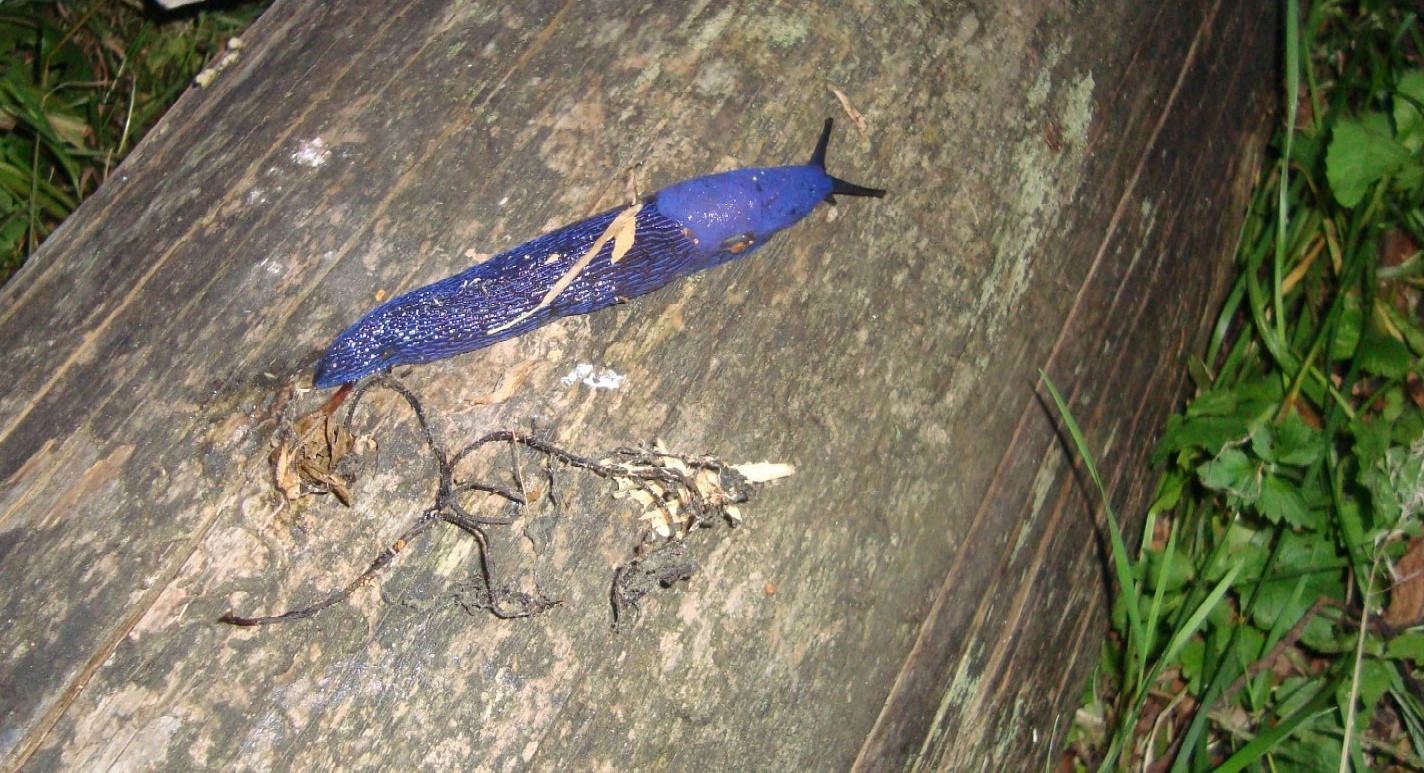
A blue slug, the colour of biro ink,
makes its way down the side of a rotting log
and slides past the fire I’ve cultivated.
Is this the month that slugs and snails change sex,
this blue a final blue of indecision?
I don’t inhabit the kingdom of the slug
and am, alas, only and forever male
with worse indecisions all of my own.

The sun is setting without hesitation.
So colour and temperature reverse.
Will the White Admiral, mostly brown,
that seems to think my cabin belongs to him
and sips sweat from the bald patch on my head,
now expand and reappear as an angel,
a lord of light with a flaming sword
saying, “Welcome home, Son of Adam?”

Will the blue slug inflate into a devil,
scarlet now with twitching horns and grinning,
“Your last sin, thinking a slug is just a slug.”
The stream beside my cabin has turned dark
glistening like old Kodak negative.
The girl in the moon floats up above the pines,
a celebrity simply passing through
an occasion too trifling to stay long.

Indeed nothing happens. The White Admiral
has folded up its wings fidgeting to stillness
imitating a leaf. The blue slug
has, no doubt, inched across the slick dew
to feed on burdock or angelica.
A warmth at midnight sidles through the trees
and so I leave the cabin door ajar
to watch the fire I made dwindle, then wink out.

PHOTO: Blue slug, Slovakia (2009) by James Sutherland-Smith.

NOTE: Bielzia coerulans, commonly known as the Carpathian blue slug or simply the blue slug, is a species of very large land slug. Slug is a common name for any apparently shell-less terrestrial gastropod mollusk. Slugs are hermaphrodites, having both female and male reproductive organs.

NOTE FROM THE AUTHOR: My cabin and Bielzia(bub) coerulans are in the forest near Zlata Bana (Gold mine) near Presov, Slovakia.

jss 1

ABOUT THE AUTHOR: James Sutherland-Smith  was born in Scotland in 1948, and now lives in Slovakia. He has published seven collections of his own poetry, the most recent is The River and the Black Cat published by Shearsman Books (2018). He has translated a number of Slovak poets, publishing three individual selections in Britain, two in Canada, and one in the United States, and three Serbian poets with two selections from Miodrag Pavlovic and Ivana Milankov in Britain. His translation of poetry has been awarded the Slovak Hviezdoslav Prize and the Serbian Zlatko Krasni Prize. His most recent translation is from the poetry of Mila Haugová, Eternal Traffic, published in Britain by Arc Publications.

Candle Lighting at Fátima by Joan Leotta

church-4549668_1920

Candle Lighting at Fátima
by Joan Leotta

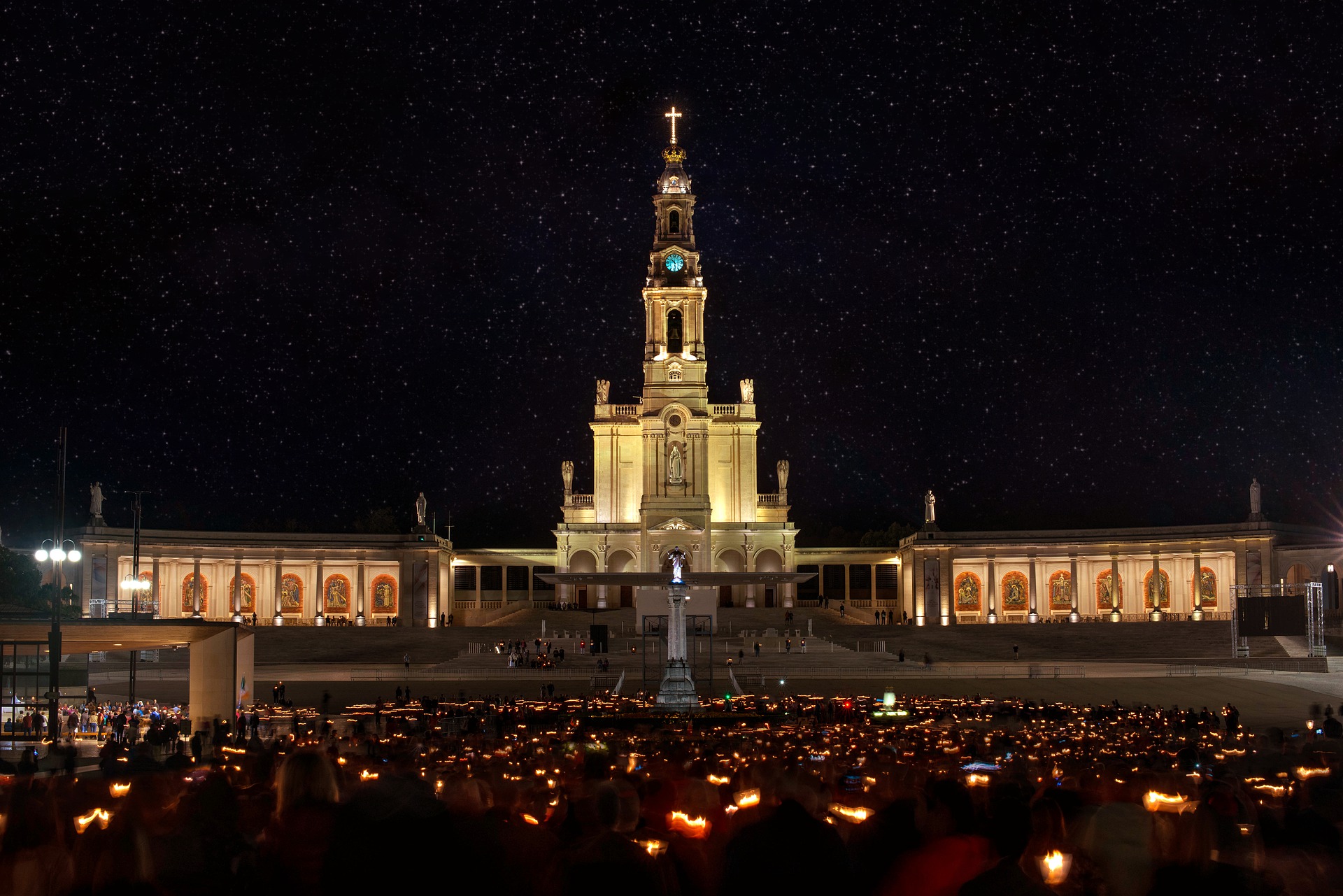
The scratch of our match
brings flame to the thin wick.
Delicate wax
drips on our fingers
as we search for
just the right spot
to place the candle,
lit for friends who are sick.
Lightly burned
by beeswax, our
fingertips
finally secure a place
for our light
among the others.
Pulling back
from the array of offerings
that same wax,
cooling now,
assuages the pain in our
fingers, pleased as
we see our candle flickering but
holding our petitions in the light.

PHOTO: Basilica of Our Lady of the Rosary, Fátima, Portugal, a Roman Catholic church  in the Sanctuary of Fátima in Cova da Iria, in the civil parish of Fátima, in the municipality of Ourém in central Portugal. Photo by LhcCoutinho, used by permission.

Fatima_0557_(19712690512)

NOTE: Fátima, Portugal, has been permanently associated with the Marian apparitions  witnessed by three local shepherd children at the Cova da Iria in 1917. The Catholic Church later recognized these events as “worthy of belief”. A small chapel was built at the site of the apparition, now known as Our Lady of Fátima, beginning in 1918, and a statue installed. The chapel and statue have since been enclosed within the Sanctuary of Our Lady of Fátima, a shrine complex containing two minor basilicas. Associated facilities for pilgrims, including a hotel and medical center, have also been built within and around the Sanctuary. The site has become an international destination for religious tourists, hosting six to eight million pilgrims yearly.

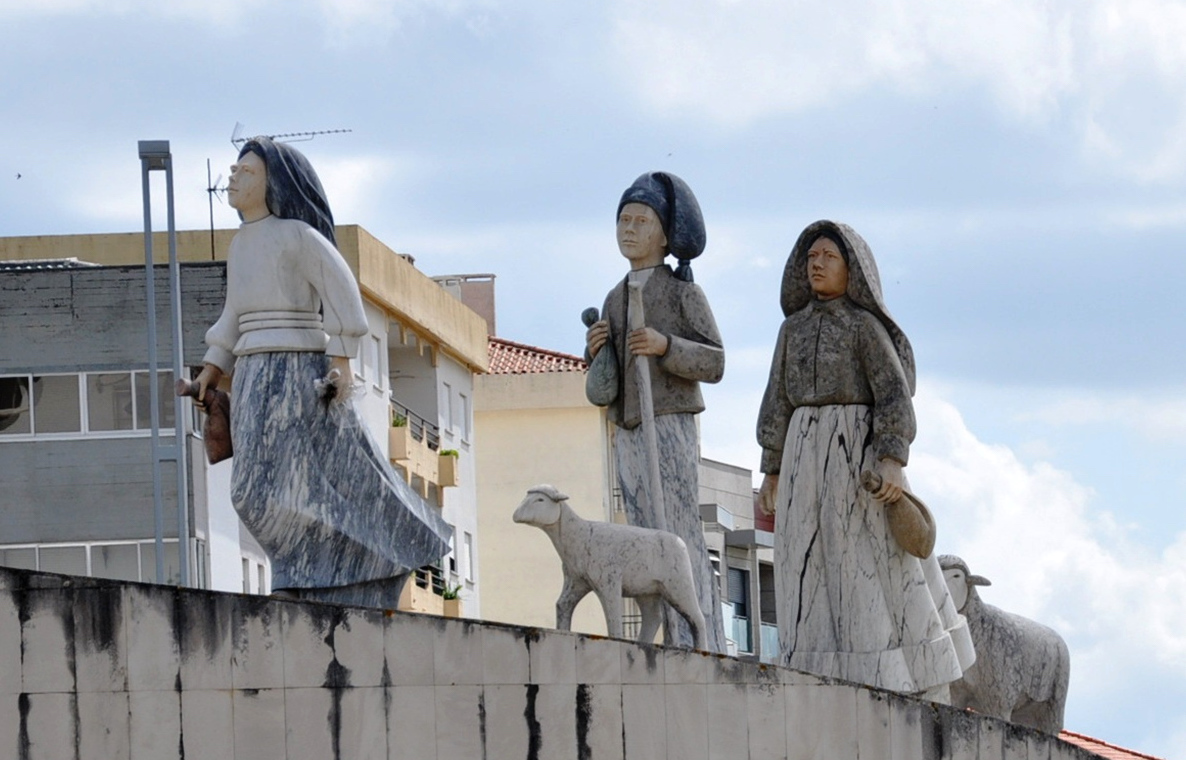
PHOTO: Monument to shepherds Lúcia Santos, Jacinta Marto, and Francisco Marto, the three children in Fátima, Portugal, who reported their 1917 visitations from the Virgin Mary. Photo by János Korom Dr., used by permission.

NOTE FROM THE AUTHOR: This poem is from a 2016 trip to Portugal. I had always wanted to go to Fátima—The nuns showed us movies about it on rainy days when I was a young girl at Ursuline Academy in Pittsburgh, Pennsylvania.

joan-leotta-seaglass-necklace

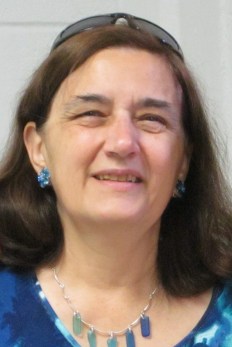
ABOUT THE AUTHOR: Joan Leotta is a writer and story performer. Her poems have appeared in Silver Birch, When Women Write, Verse Visual, Verse Virtual, The Ekphrastic Review, Yassou, Stanzaic Stylings, read at the Ashmolean, and have won an award at the Wilda Morris Challenge. Her first chapbook, Languid Lusciousness with Lemon, is available from Finishing Line Press. Her essays, articles, and stories are also widely published. On stage, she presents folk and personal tales of food, family, and strong women. She loves to walk the beach, cook, and browse through her many travel photos. Visit her at joanleotta.wordpress.com and on Facebook.

Beyond the bend in the road by Fernando Pêssoa

portugal Da Mata licensed

Beyond the bend in the road
by Fernando Pêssoa

Beyond the bend in the road
there may be a well, a castle.
There may be simply more road.
I neither know nor ask.
As long as I’m on the road before the bend
I simply look at the road before the bend,
since I can see only the road before the bend.
It would do no good to look elsewhere
or at what I can’t see.
Let’s just concentrate on where we are.
There’s beauty enough in being here, not elsewhere.
If anyone’s there beyond the bend in the road,
let them worry about what’s beyond the bend in the road.
That is the road, to them.
If we arrive there when we arrive we’ll know.
Now we only know that we’re not there.
Here there’s only the road before the bend, and before the bend
there’s the road with no bend at all.

Translated by A. S. Kline © Copyright 2018 All Rights Reserved

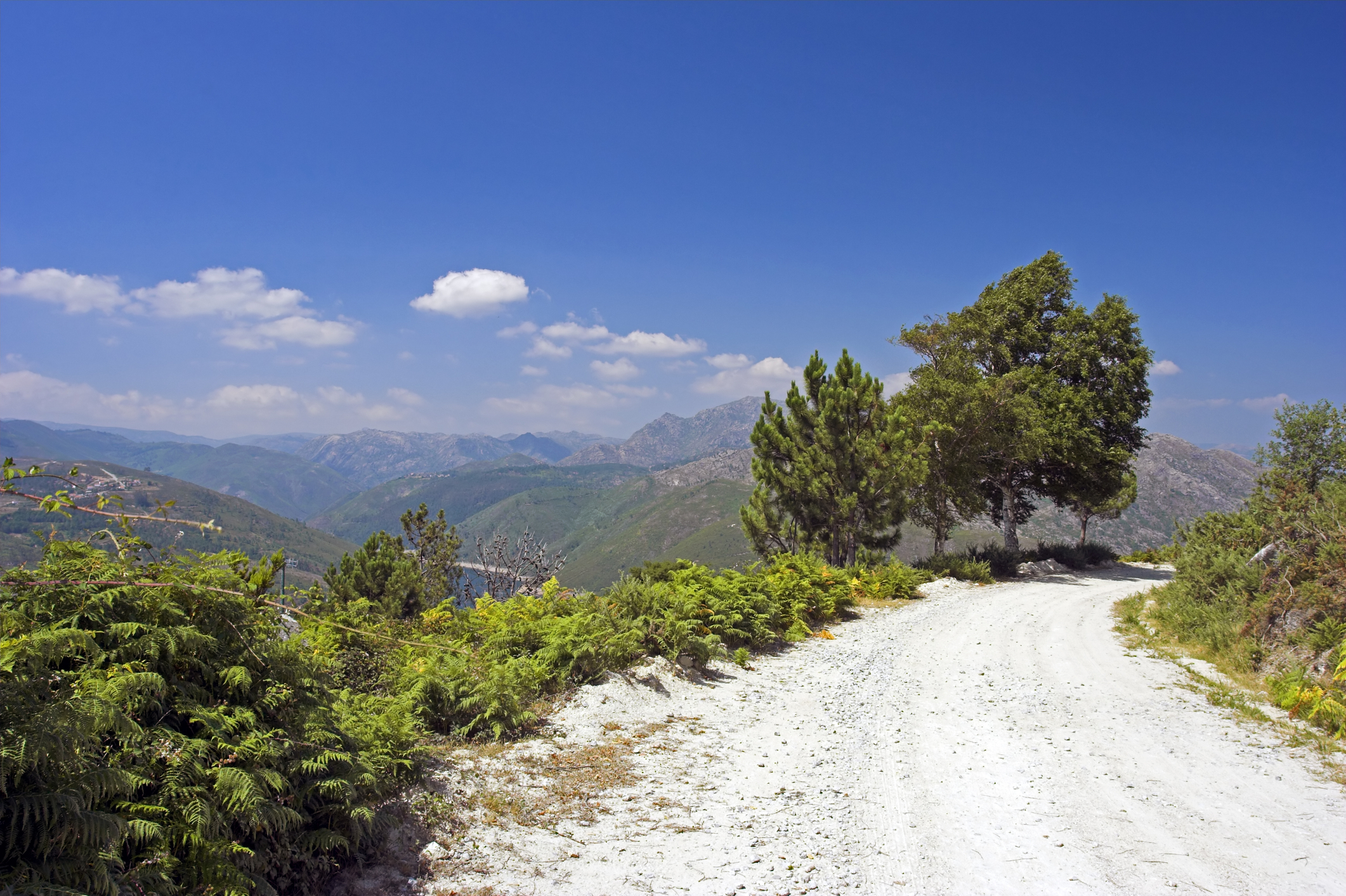
PHOTO: High mountain road in the national park of Peneda-Gerês National Park, Portugal. Photo by Zacarias Pereira Da Mata, used by permission.

NOTE: The Peneda-Gerês National Park, the only national park in Portugal, is located in the northwestern section of the country, in the Viana do CasteloBraga, and Vila Real Districts. The 270-square-mile park was created on May 8, 1971 to protect the area’s soil, water, flora, fauna, and landscape.

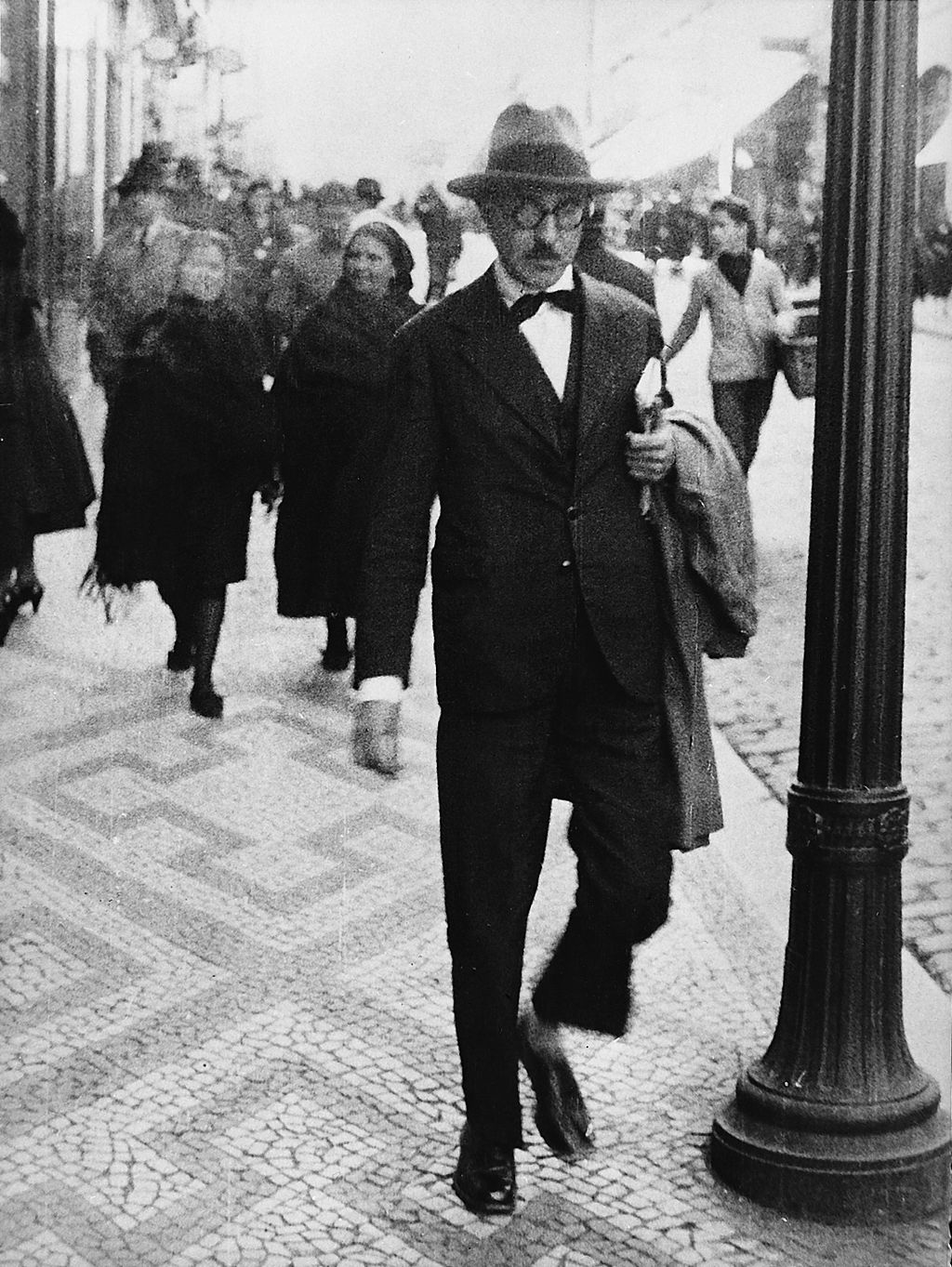
1024px-Pessoabaixa ABOUT THE AUTHOR: Fernando Pêssoa was born in Lisbon, Portugal, in 1888. In 1914, the year his first poem was published, Pessoa established the three main literary personas, or heteronyms, as he called them, that he used throughout his career: Alberto Caeiro, a rural, uneducated poet of great ideas who wrote in free verse; Ricardo Reis, a physician who composed formal odes influenced by Horace; and Álvaro de Campos, an adventurous London-based naval engineer influenced by poet Walt Whitman and the Italian Futurists. Pessoa published under his own name as well, but considered that work the product of an “orthonym,” another literary persona. He is believed to have used over 70 heteronyms. After his death in 1935, his work gained widespread publication and acclaim. In The Western Canon, critic Harold Bloom included Pessoa as one of the 26 writers responsible for establishing the parameters of western literature.
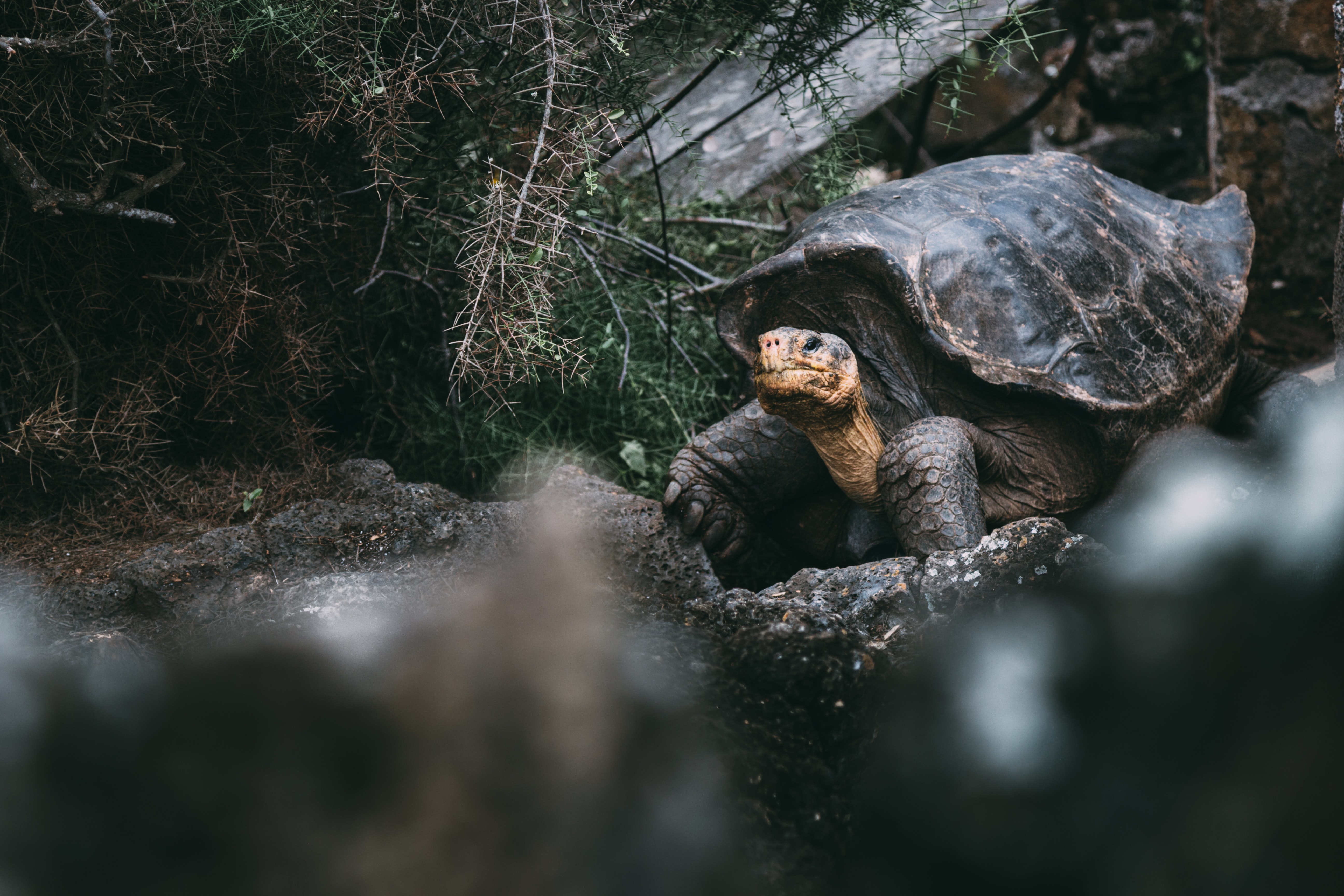
PHOTO: The author in Lisbon, Portugal, during the 1920s.

Lucille Lang Day, What the Tortoises Know

jose-aragones-v2zzn6tyOOc-unsplash

What the Tortoises Know
            Galápagos Islands
by Lucille Lang Day

On Genovesa, as my husband lay
on the beach of Darwin Bay,
a sea lion came to sniff his toes
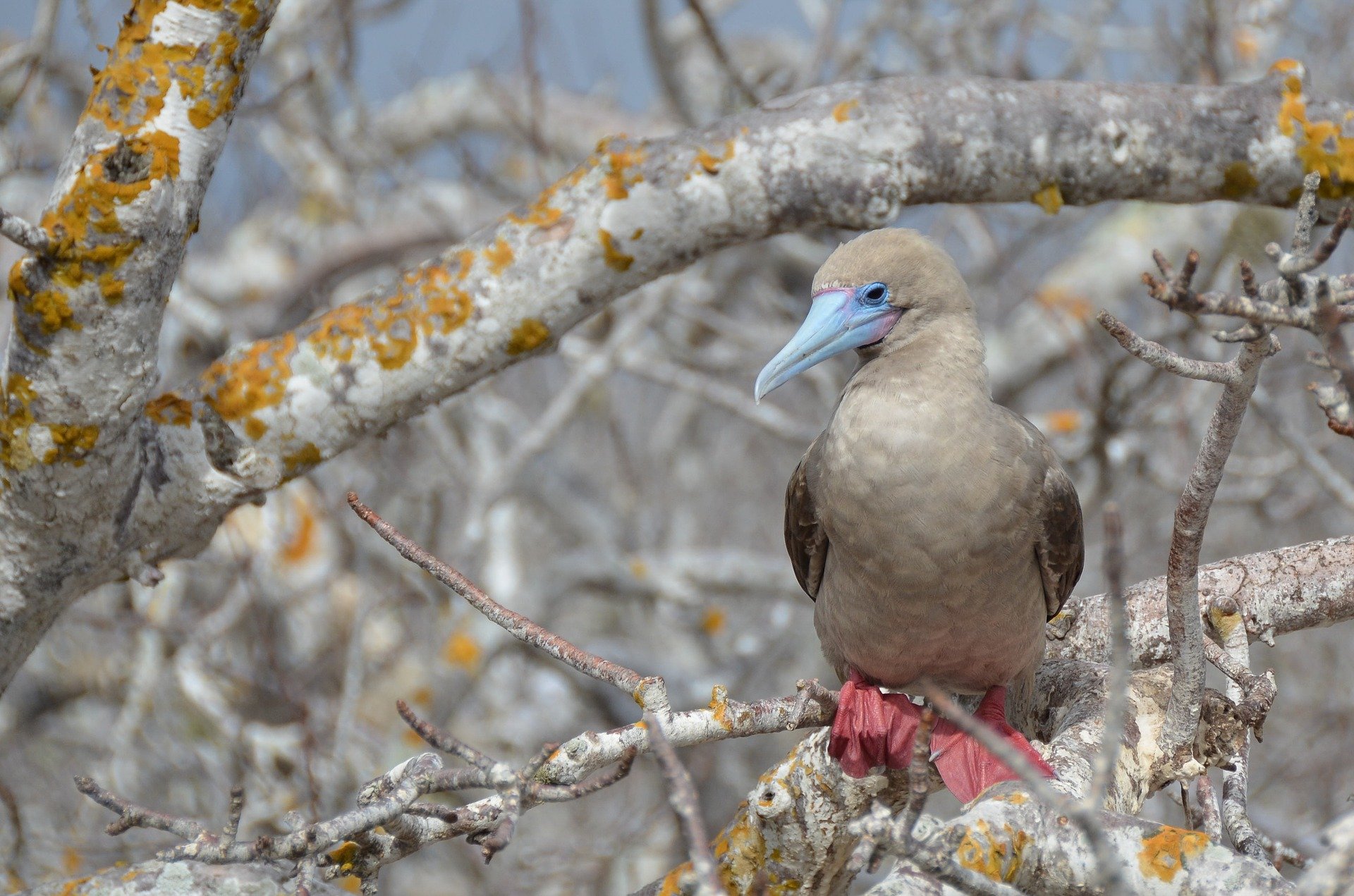
and a red-footed booby, sitting
with her chick in a mangrove
nearby, let me get kissing-close.

On North Seymour, the frigate birds
weren’t fazed by me, and a young
blue-footed booby was intrigued
by my walking stick. On Española,
the sand was so thick with iguanas,
it was hard not to step on them.

The guide explained that the animals
here don’t fear us, hawks and short-
eared owls being the only predators
evolution has bred them to know.
They first saw humans with guns
and bows just five hundred years ago.

But giant tortoises, who live to be one
hundred fifty years old, have seen
how we kill to make boxes and combs,
so heads and legs withdraw into shells
at the sound of a loud voice and
they grow still as clean-picked bones.

From Birds of San Pancho and Other Poems of Place (Blue Light Press, 2020), by Lucille Lang Day. First published in Canary: A Literary Journal of the Environmental Crisis, Spring 2019.

PHOTO: Tortoise, Galápagos Islands. Photo by Jose Aragones on Unsplash

NOTE: The Galápagos Islands, part of the Republic of Ecuador, are an archipelago of volcanic islands distributed on either side of the equator in the Pacific Ocean surrounding the centre of the Western Hemisphere. Located 563 miles west of continental Ecuador, the islands are known for their large number of endemic species that were studied by Charles Darwin during the second voyage of HMS Beagle. His observations and collections contributed to the inception of Darwin’s theory of evolution by means of natural selection.

galapagos-islands-2380428_1920

NOTE FROM THE AUTHOR: I visited the Galápagos Islands in January 2017. I’d wanted to go there for about 20 years! The wildlife was amazing, and almost all of the animals allowed humans to get very close to them. Visitors are told to stay at least six feet away from the animals, but this can be difficult because the animals themselves try to get closer.

PHOTO: Red-footed booby, Galápagos Islands. Photo by Pen Ash, used by permission. 

IMG_0968

ABOUT THE AUTHOR: Lucille Lang Day is the author of seven full-length poetry collections and four chapbooks. Her most recent collection is Birds of San Pancho and Other Poems of Place (Blue Light Press, November 2020). She has also coedited two anthologies, Fire and Rain: Ecopoetry of California and Red Indian Road West: Native American Poetry from California, and has published two children’s books and a memoir, Married at Fourteen: A True Story. Her many honors include the Blue Light Poetry Prize, two PEN Oakland/ Josephine Miles Literary Awards, the Joseph Henry Jackson Award, and 10 Pushcart Prize nominations. She is the founder and publisher of Scarlet Tanager Books. Visit her at lucillelangday.com.

PHOTO: The author and frigate birds on North Seymour, Galápagos Islands, January 2017.

The Blue Booby by James Tate

jenni-miska-Q4vp-nOpe2Y-unsplash

The Blue Booby
by James Tate

The blue booby lives
on the bare rocks
of Galápagos
and fears nothing.
It is a simple life:
they live on fish,
and there are few predators.
Also, the males do not
make fools of themselves
chasing after the young
ladies. Rather,
they gather the blue
objects of the world
and construct from them

a nest—an occasional
Gaulois package,
a string of beads,
a piece of cloth from
a sailor’s suit. This
replaces the need for
dazzling plumage;
in fact, in the past
fifty million years
the male has grown
considerably duller,
nor can he sing well.
The female, though,

asks little of him—
the blue satisfies her
completely, has
a magical effect
on her. When she returns
from her day of
gossip and shopping,
she sees he has found her
a new shred of blue foil:
for this she rewards him
with her dark body,
the stars turn slowly
in the blue foil beside them
like the eyes of a mild savior.

From Selected Poems. Copyright © 1991 by James Tate. 

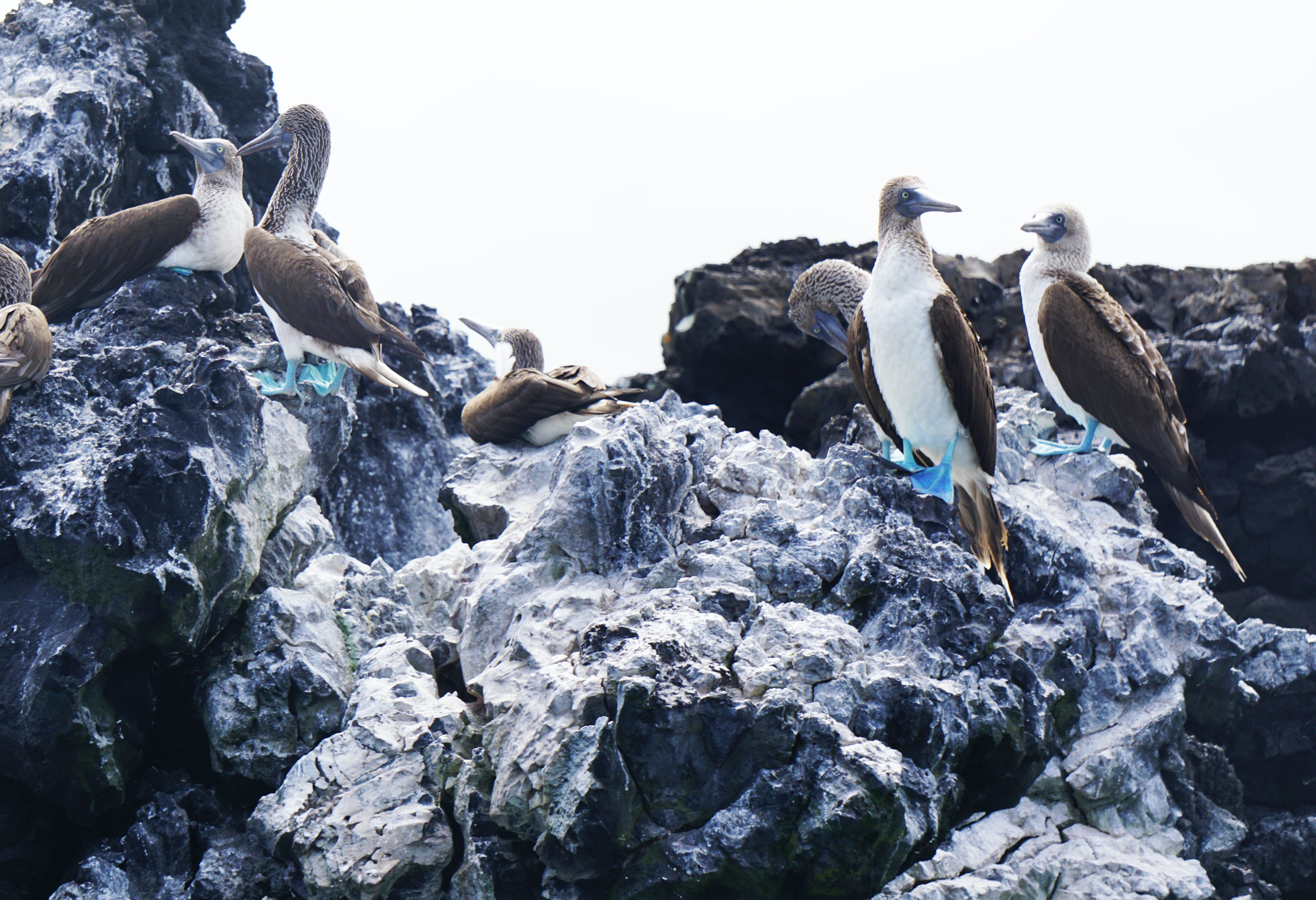
PHOTO: Blue-footed booby birds on a Galápagos Island, Ecuador. Photo by Jenni Miska on Unsplash

Blue-footed_Booby_(Sula_nebouxii)_-one_leg_raised

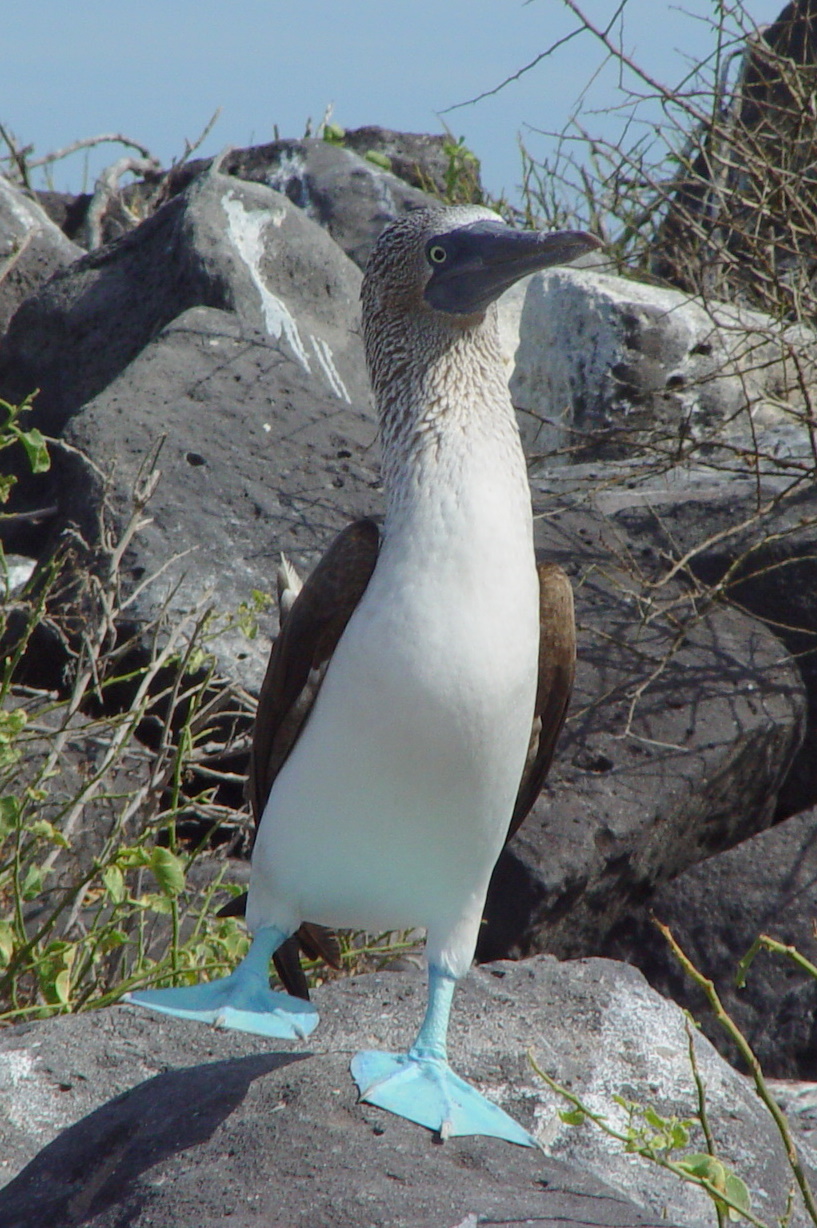
NOTE: The blue-footed booby is a marine bird native to subtropical and tropical regions of the eastern Pacific Ocean–recognizable by their distinctive bright blue feet. Males display their feet in an elaborate mating ritual by lifting them up and down while strutting before the female.  About half of all breeding pairs nest on the Galápagos Islands.

PHOTO: Blue-footed booby with one foot raised during his mating dance. Photo by Pete, used by permission. 

JamesTate_NewBioImage

ABOUT THE AUTHOR: James Tate (1943-2015) was the author of over 20 poetry collections, including the posthumously published The Government Lake (2018); The Ghost Soldiers (2008); Worshipful Company of Fletchers (1994), which won the National Book Award; Selected Poems (1991), which won the Pulitzer Prize and the William Carlos Williams Award; Distance from Loved Ones (1990); Constant Defender (1983); Viper Jazz (1976); and The Oblivion Ha-Ha (1970). Tate’s poems have been described as tragic, comic, absurdist, ironic, hopeful, haunting, lonely, and surreal. Tate said of his own poems in a Paris Review interview, “There is nothing better than [to move the reader deeply]. I love my funny poems, but I’d rather break your heart. And if I can do both in the same poem, that’s the best. If you laughed earlier in the poem, and I bring you close to tears in the end, that’s the best.” Tate’s honors included an Academy of American Poets chancellorship, a National Institute of Arts and Letters Award for Poetry, the Wallace Stevens Award, the Tanning Prize, and fellowships from the Guggenheim Foundation and the National Endowment for the Arts. He taught the University of California at Berkeley, Columbia University, Emerson College, and for five decades, at the University of Massachusetts in Amherst.

Apple Tea in a Fairy Chimney by Margaret Duda

duda photo copy

Apple Tea in a Fairy Chimney
by Margaret Duda

I feel the strength of my husband’s hand
As he leads me up the uneven steps
Carved into the side of a fairy chimney
In the Göreme Valley of Cappadocia.

We enter a sand-colored room chiseled in tuff,
Settle close on a stone ledge covered with pillows,
Admire the woven carpet beneath our small table,
And inhale the aroma of traveling through time.

A Turkish waiter in a long white robe brings
Apple tea in clear hourglass-shaped cups,
Then lights a tall candle, smiles, and ducks
Back out the door beside a window with no pane.

Fourteen years after my husband’s death,
I reach back across two million years, and
Once again, eternity lets me feel his hand in mine
In the flickering candlelight of a fairy chimney.

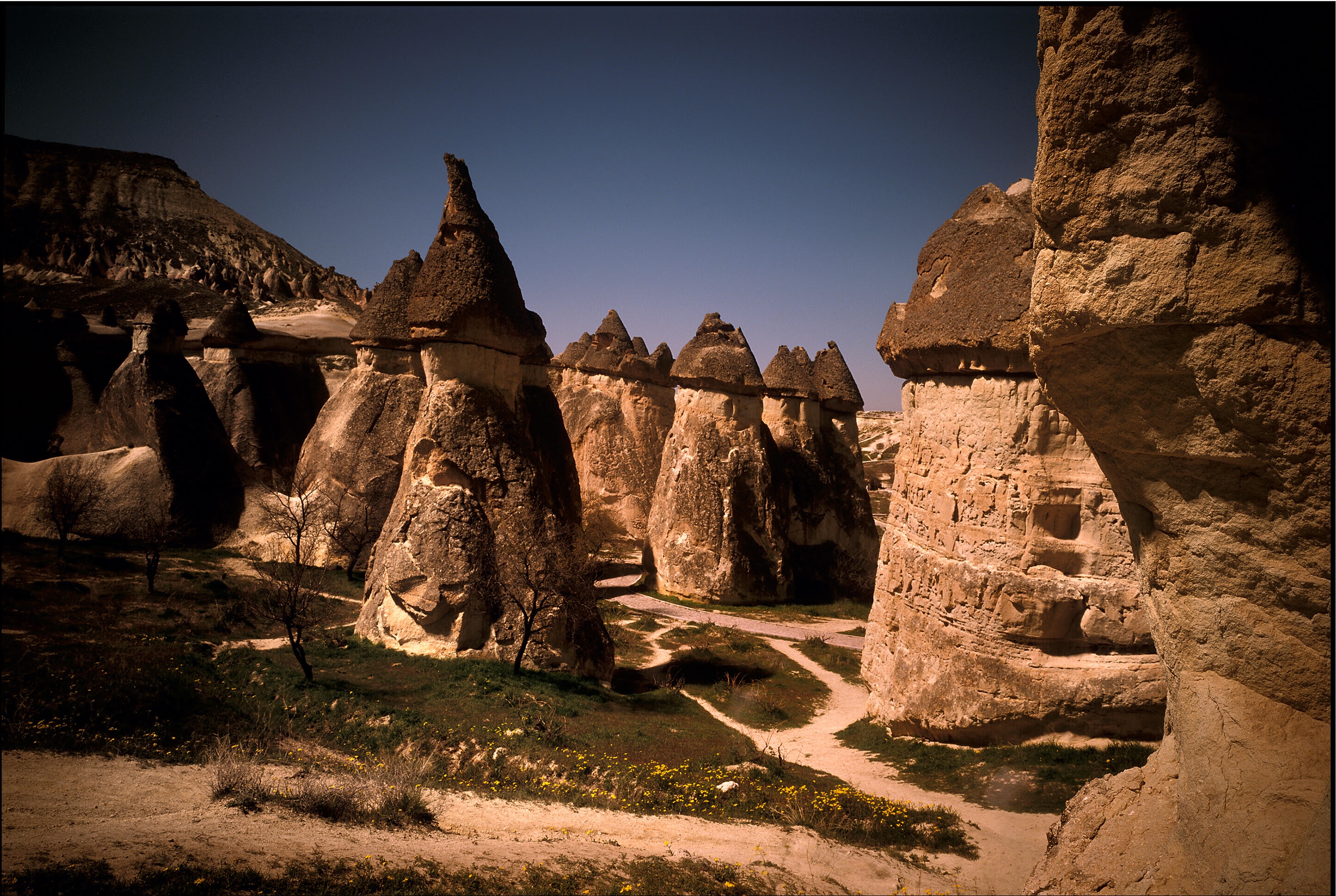
PHOTO: Fairy chimneys in Cappadocia, Turkey, by Paul Duda, used by permission.

NOTE: Cappadocia is a historical region in Turkey that includes a variety of natural wonders, including fairy chimneys, also known as hoodoos. A hoodoo is a tall, thin spire of rock that protrudes from the bottom of an arid drainage basin or badland. Hoodoos typically consist of relatively soft rock topped by harder, less easily eroded stone that protects each column from the elements. They generally form within sedimentary rock and volcanic rock formations and are mainly found in the desert in dry, hot areas. Hoodoos range in size from the height of an average human to higher than a 10-story building.

NOTE FROM THE AUTHOR: Years ago, after my husband’s lecture in Istanbul, we flew to Cappadocia on the Anatolian plains of central Turkey. We wanted to see the Göreme National Park and the Rock Sites of Cappadocia, as it is said to be unlike any other landscape in the world. We were not disappointed. Part of this rugged area consists of basalt and thick beds of tuff. The tuff is the result of ash emitted from volcanoes millions of years ago, which solidified into a soft rock, and has since been overlain by solidified lava which forms a protective capping. Centuries of wind and rain erosion formed rock pillars, tent rocks, and fairy chimneys with mushroom-like lava caps. The Hittites settled the area first between 1800 and 1200 B.C., followed by Assyrians, Persians, Alexander the Great, the Greeks, Romans, Armenians, and finally the Ottomans in the 15th century. With the help of a monastic clergy, early Christians hid in the secluded valleys and chiseled out homes, churches, and even underground communities in the area, many of which are still inhabited, while others are tourist attractions. My husband and I explored stone structures in the park and nearby towns for several days, but on the final evening, we needed refreshment as the sun was slowly setting. With help from inhabitants, we found a one-room teahouse in a fairy chimney. The scent of apples enveloped us as the darkness of night slowly closed in on two tired, but very happy tourists holding hands in the candlelight of a fairy chimney in Cappadocia.

M DUDA

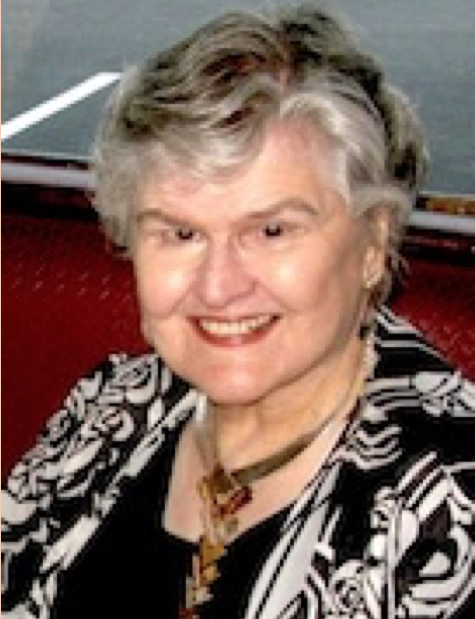
ABOUT THE AUTHOR:  A professional author, photographer, and jewelry designer, Margaret Duda has had her work published in The Kansas Quarterly, the Michigan Quarterly Review, Crosscurrents, The South Carolina Review, The Green River Review, The University Review, Fine Arts Discovery, The Green River Review, Venture, and Silver Birch Press. One of her short stories made the distinctive list of Best American Short Stories. She also had a play produced in Michigan, has had several books of nonfiction published, including Four Centuries of Silver and Traditional Chinese Toggles: Counterweights and Charms, and took travel photographs for the New York Times for 10 years. She lives in Pennsylvania, and is working on the final draft of an immigrant family saga novel set in a steel mill town from 1910 to 1920. She is also writing poetry to find a shred of sanity during this pandemic.

paul duda

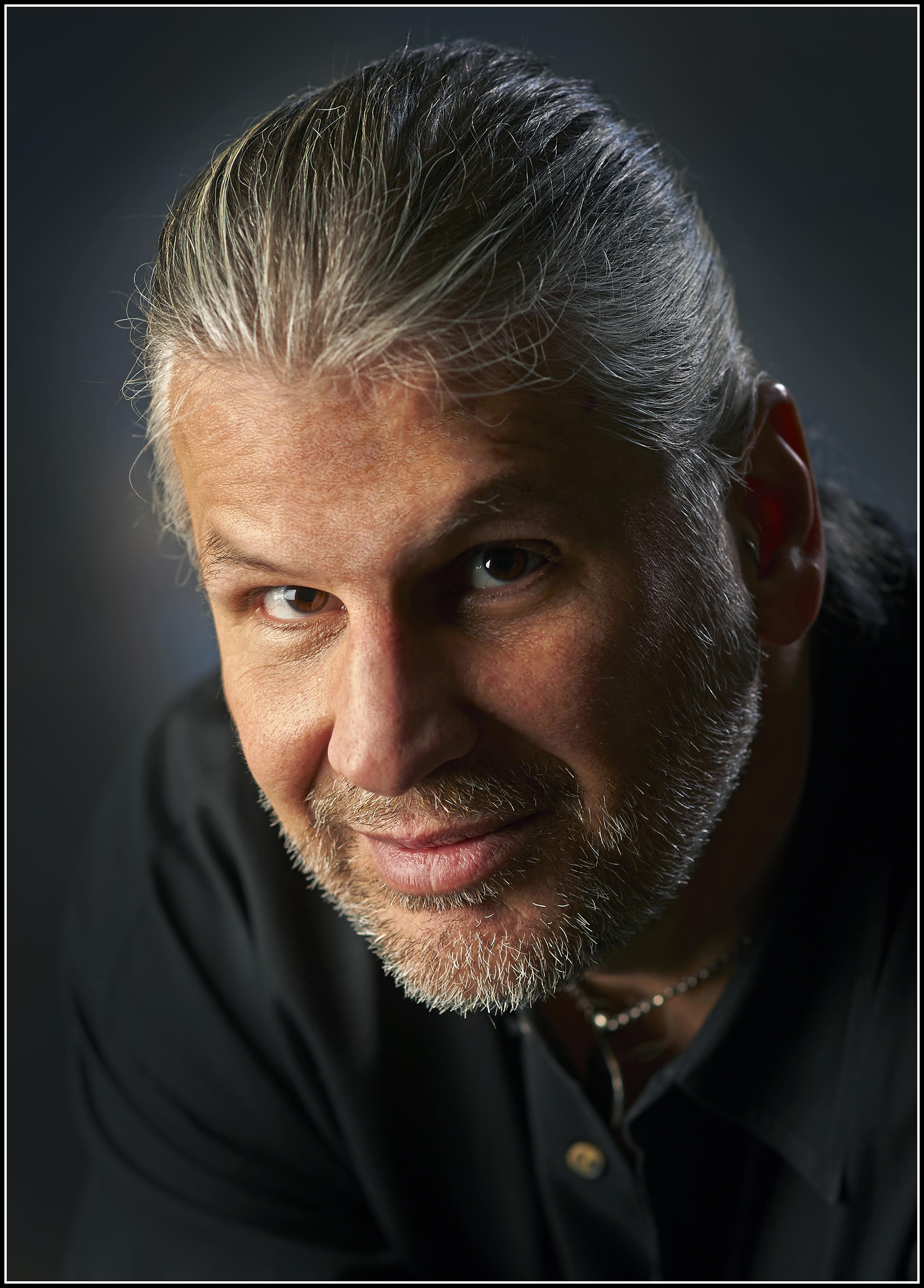
ABOUT THE PHOTOGRAPHER: Paul Duda received his Bachelor’s of Fine Arts degree in photography from Pennsylvania State University and his Master’s of fine Arts degree in photography with a minor in art history from Pratt Institute in New York City. Over the last three and a half decades, his work is a study of culture in more than 30 countries. He has shown both in the United States and internationally in over 30 one-man exhibitions, including Istanbul and Bozcaada, Turkey, as well as Prague, Czech Republic, and New York City, and has participated in more then 60 group exhibitions. The Vanishing Hutongs of Beijing  a photographic study of areas destroyed in Beijing for the 2008 Olympics was published in 2007. Duda has been an instructor of fine art photography for the past 30 years, and since 1992 has owned and operated studioDUDA photography, a fine art photographic studio in New Haven Connecticut.