Corona Hopelings, Morro Bay, CA by Jeanie Greenfelder

roy-zeigerman-I0LwTxZ1ITA-unsplash

Corona Hopelings, Morro Bay, CA
by Jeanie Greenfelder

Birds reclaim their beach,
lounge in the sun or set up
umbrellas for shade. Some
picnic, others watch waves.

In truth, on this cloudy morning,
one gull almost hits me with a clam
as he flies and drops it over and over
until it cracks. Then he gorges.

Only two cyclists and one surfer
dot the distant shoreline as
Harbor Patrol trucks watch for
people too close to one another.

And me, I’m with willets,
terns, godwits, and gulls.
Free from germ concerns,
I inhale birdsong.

Previously published in Bracken, 2020

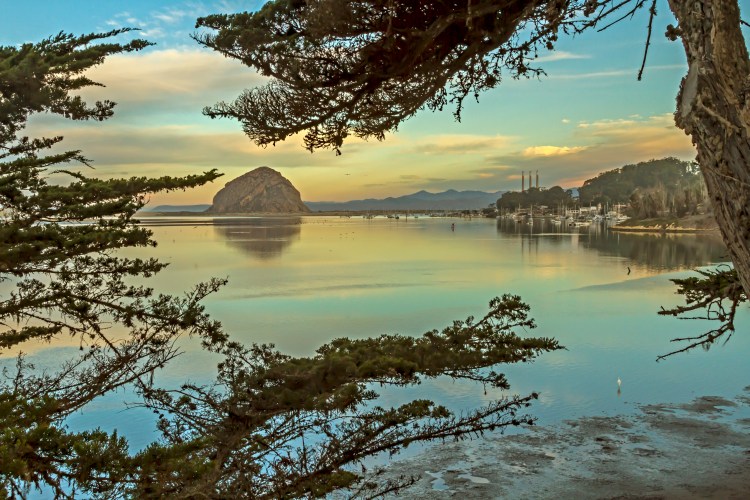
PHOTO: Morro Bay, California, with Morrow Rock in the background. Photo by roy zeigerman on Unsplash

Dawn1_at_Morro_Bay.tiff

NOTE: Morro Bay is an incorporated waterfront city in San Luis Obispo County, California,  on the state’s Central Coast. As of the 2010 census, the city population was 10,234. The town’s most striking feature is Morro Rock, a 576 foot high volcanic plug at the entrance to the harbor that in 1968 was designated a Historical Landmark. The area around the base of Morro Rock is open to visitors, with parking lots and paths. Climbing the rock is prohibited except with a permit, due to risk of injury and because it is a peregrine falcon reserve. Morro Rock is one in a series of similar plugs that stretch in a line inland called the Nine Sisters.

PHOTO: Dawn at Morro Bay, California (November 2011). Photo by Fred Moore, used by permission.

green-4

ABOUT THE AUTHOR: Jeanie Greenfelder’s poems have been published at American Life in Poetry and Writers’ Almanac; in anthologies: Paris, Etc., Pushing the Envelope: Epistolary Poems; and in journals: Miramar, Thema, Askew, Persimmon Tree, and others. The San Luis Obispo County poet laureate, 2017,2018, Jeanie’s books are: Biting the AppleMarriage and Other Leaps of Faithand I Got What I Came ForTo read more of her poems, visit jeaniegreensfelder.com.

Pawleys Island by David Bachner

pawleys island 4

Pawleys Island
by David Bachner

Traveling north, up from Saint Augustine and Savannah,
I stop for the night at Pawleys Island, the South Carolina
resort community where my in-laws used to rent a beach
house for a week every summer. I look out over the sea,
remembering a day nearly forty years ago.

The beach and the weather are perfect today, just as they
were then. The water is calm, the waves blown into low
white crests by slight westerly winds. The sand is clean
and clear of seaweed. Pieces of driftwood seem arranged
by a painter. Pelicans skim the Atlantic’s surface. The humps
of dolphins are visible a hundred yards offshore. Perfect.

Several of the beach rentals lining the coast today were here
all those years ago, including the second house from the end,
where I was in the living room reading while my in-laws sat
drinking coffee on the porch facing the sea. So peaceful,
until the shouts.

I ran to the porch, then down to the sea, then into the water.
Our neighbor jumped in beside me, pushing a canvas raft.
By the time we reached the swimmers only their hands
were visible above the surface. We managed to put them
both onto the raft and get them to shore. We began CPR,
my neighbor on one of the men, I on the other.

The next morning I sat on the porch, vacant of feeling.
“Here it is,” my mother-in-law said, pointing to an article
in the local paper.

–August 29, Pawleys Island, SC.
Two men drowned off the beach yesterday when
a rip tide pulled them out. Two residents of nearby
rental units tried to save the swimmers, but they
were dead by the time a rescue squad arrived.
The drowned men were…

I stopped reading and went down to the beach, avoiding the
section where the two men died. I walked to the channel
dividing Pawleys from DeBordieu, the next town to the south.
Sunbathers tanned. Fishermen cast lines. Seagulls swooped for
bait. Swimmers snorkeled and rode waves. Children gathered
sand dollars. Toddlers and dogs splashed in shallow tidal pools.

Countless storms have altered the beach and widened the channel
since then. Infinite generations of new granules have realigned the
shore. Today, though, is as perfect as that other day. Waves roll in.
Pelicans skim the sea. Dolphins glide by, past Pawleys, past the channel,
past DeBordieu on their way south, towards Savannah and Saint Augustine.

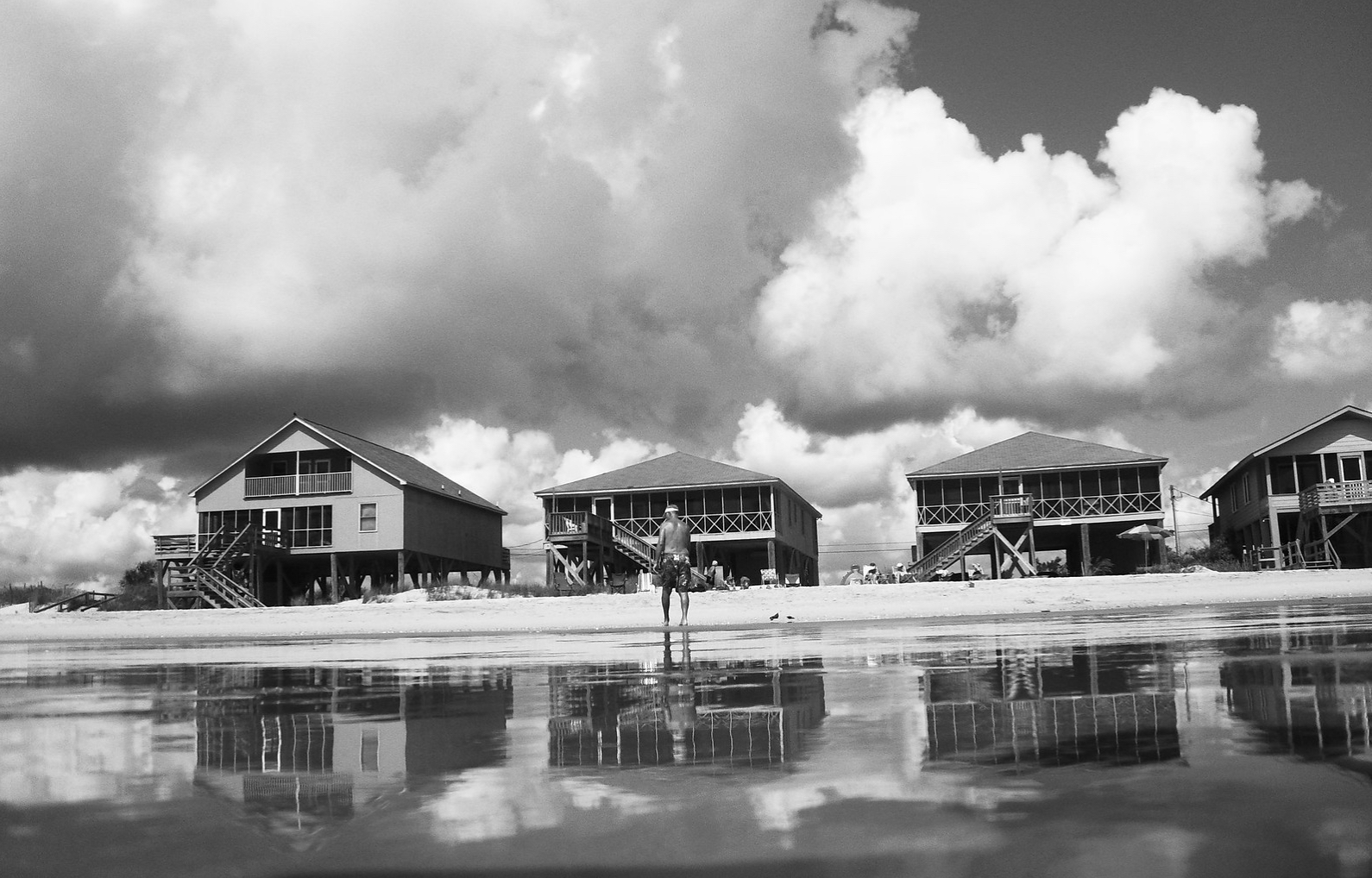
PHOTO: Pawleys Island, South Carolina. Photo by Scott Davis, used by permission. 

south-carolina-pawleys-island1-map-680x540-1 copy

NOTE FROM THE AUTHOR: Pawleys Island is a three-mile long, quarter-mile wide sandy barrier on the Atlantic coast. It’s a popular tourist spot in summer, when the year-round population of 100 or so swells dramatically with an influx of vacationers who rent the homes lining the beach. Residents from the surrounding area frequent the public beach at the southern end of the island, where the house my in-laws rented was located.  

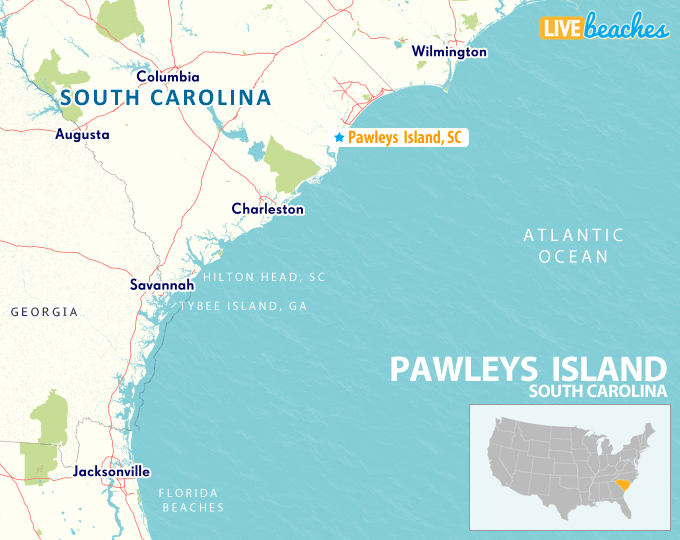
MAP:  Beaches along the Southern Atlantic Coast of the United States. Map courtesy of livebeaches.com

bachner-

ABOUT THE AUTHOR: David Bachner is a retired college dean and professor, most recently at American University’s School of International Service. His research, teaching, and program administration focused on international education and intercultural relations, career-long specializations that were deeply influenced by his experiences as a university student in Japan and Peace Corps volunteer in Korea. David lives in Washington, DC, and is a frequent visitor to upstate New York, where he participates in an ongoing poetry workshop sponsored by Bright Hill Press and Literary Center of the Catskills. His recent publications include Capital Ironies: Washington, DC Poetry and Prose (Woodland Arts Editions, 2020) and four poems selected for Seeing Things: An Anthology of Poetry (Woodland Arts Editions, 2020).  Several of his haiku will be published in Sequestrum in 2021.

Wambaw Creek by Krikor Der Hohannesian

creek 1

Wambaw Creek
                    Santee River Delta, South Carolina
by Krikor Der Hohannesian

draped over the knobby knee
of a majestic cypress,
a cotton-mouth dozes
wrapped in a blanket
of cozy April sunshine

astride the far bank a young doe
hesitates, eyes us warily, spindly
legs on tremulous alert, nostrils flared,
before bounding off apace
through the swamp grove,

flushing a wild turkey
from its morning bath
amid the cat-o-nine tails
in a wild flail of wings

we, the intruders,
paddle ahead quietly,
feather oars with great care
to mask the ripples
of our trespass

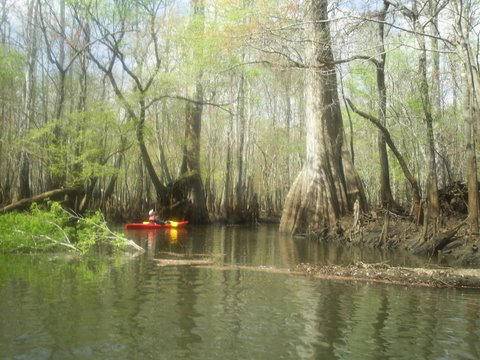
PHOTO: Kayak on Wambaw Creek, Francis Marion National Forest, South Carolina. Photo from hugenotsociety.org, All Rights Reserved. 

sc cvandyke licensed

sc map

NOTE: Wambaw Swamp is located northeastern Charleston County, South Carolina, within the Francis Marion National Forest, and consists of 4,755 acres designated as a wilderness area. This forest wetland is a mix of river-bottom hardwood and pine. To the southeast lies the Little Wambaw Swamp Wilderness, a 4,967-acre wilderness area managed by the U.S. Forest Service. Wambaw Creek Wilderness protects 1,832 acres of the watershed along the Charleston and Berkeley County line as it leaves the swamps and empties into the South Santee River. Wambaw Creek is a blackwater tidal creek that meanders through the Wambaw Creek Wilderness Area. Kayaks can run either upstream or downstream using the tide direction.

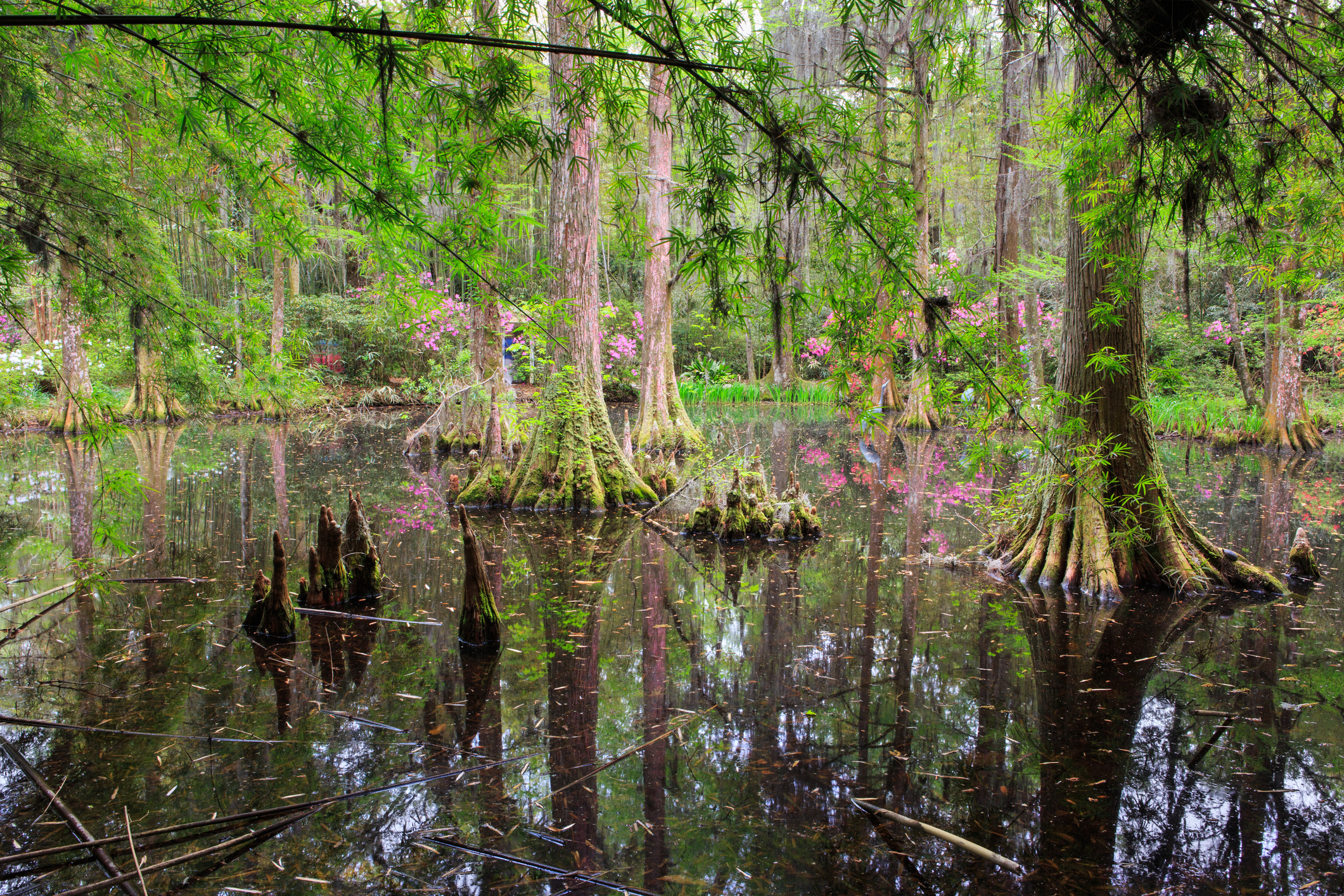
PHOTO: Wambaw Swamp, Francis Marion National Forest, South Carolina. Photo by C. Van Dyke, used by permission. 

MAP: Location of Wambaw Creek within South Carolina, about 55 miles northeast of Charleston. 

wambaw creek 1

NOTE FROM THE AUTHOR: Wambaw Creek is a tidal estuary in the Santee River Delta country in South Carolina. I rowed the creek for a full day with friends—the vegetation and wildlife were abundant. One could reach into the creek waters and pull up shrimp and crabs for that night’s dinner.

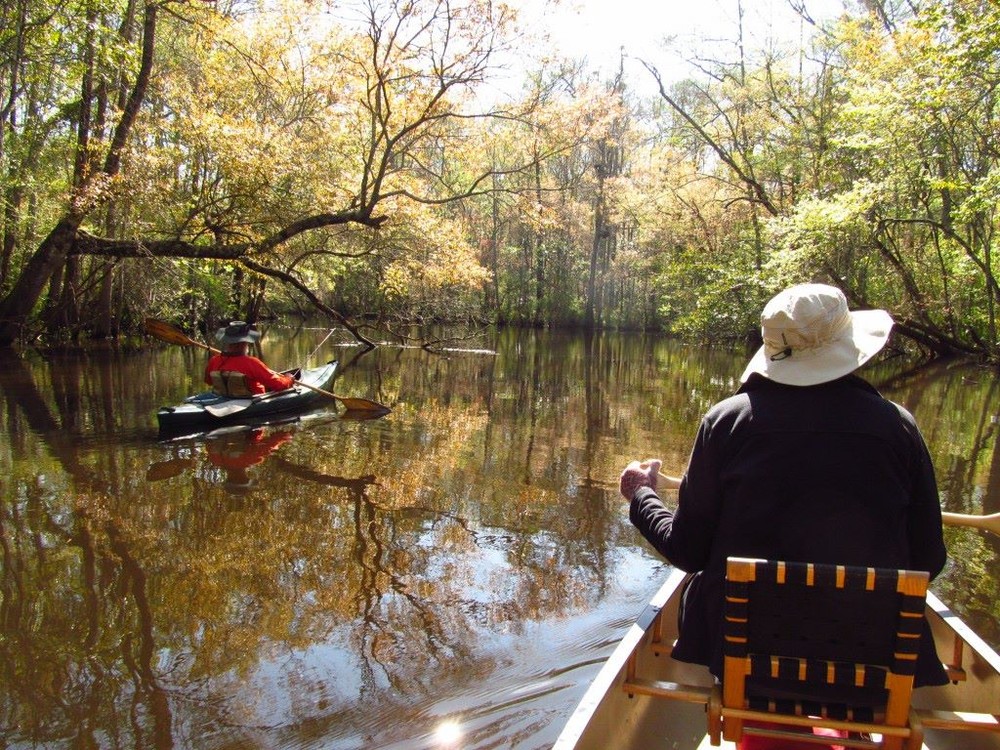
PHOTO: Kayaking on Wambaw Creek, Francis Marion National Forest, South Carolina. Photo by gopaddlesc.com, All Rights Reserved. 

Krikor photo Copy

ABOUT THE AUTHOR: Krikor Der Hohannesian’s poems have appeared in over 175 literary journals, including The South Carolina Review, Atlanta Review, Louisiana Literature, Connecticut Review, Comstock Review, and Natural Bridge. He is a three-time Pushcart Prize nominee, author of two chapbooks, Ghosts and Whispers (Finishing Line Press, 2010) and Refuge in the Shadows (Cervena Barva Press, 2013) as well as a full-length book, First Generation (Dos Madres Press, 2020). In 2011, Ghosts and Whispers was a finalist for the Mass Book awards poetry category. 

Walking Up Scafell Pike with My Father by Christian Ward

england whitcomberd licensed

Walking Up Scafell Pike with My Father
by Christian Ward

After walking a few yards
you breathe like someone
who has slipped across the border.

I am ahead, you are far
behind. There are no rest stops
on this rocky path to the summit,

no hedgerows to distract
our lack of common interests
or silences broken up with ums

and ers. You wear a jacket
of rain and I nudge you ahead with tuts.
At the top, there is nothing

but what a view. We are at opposite
ends of the plateau with only similar
rocks bringing us closer.

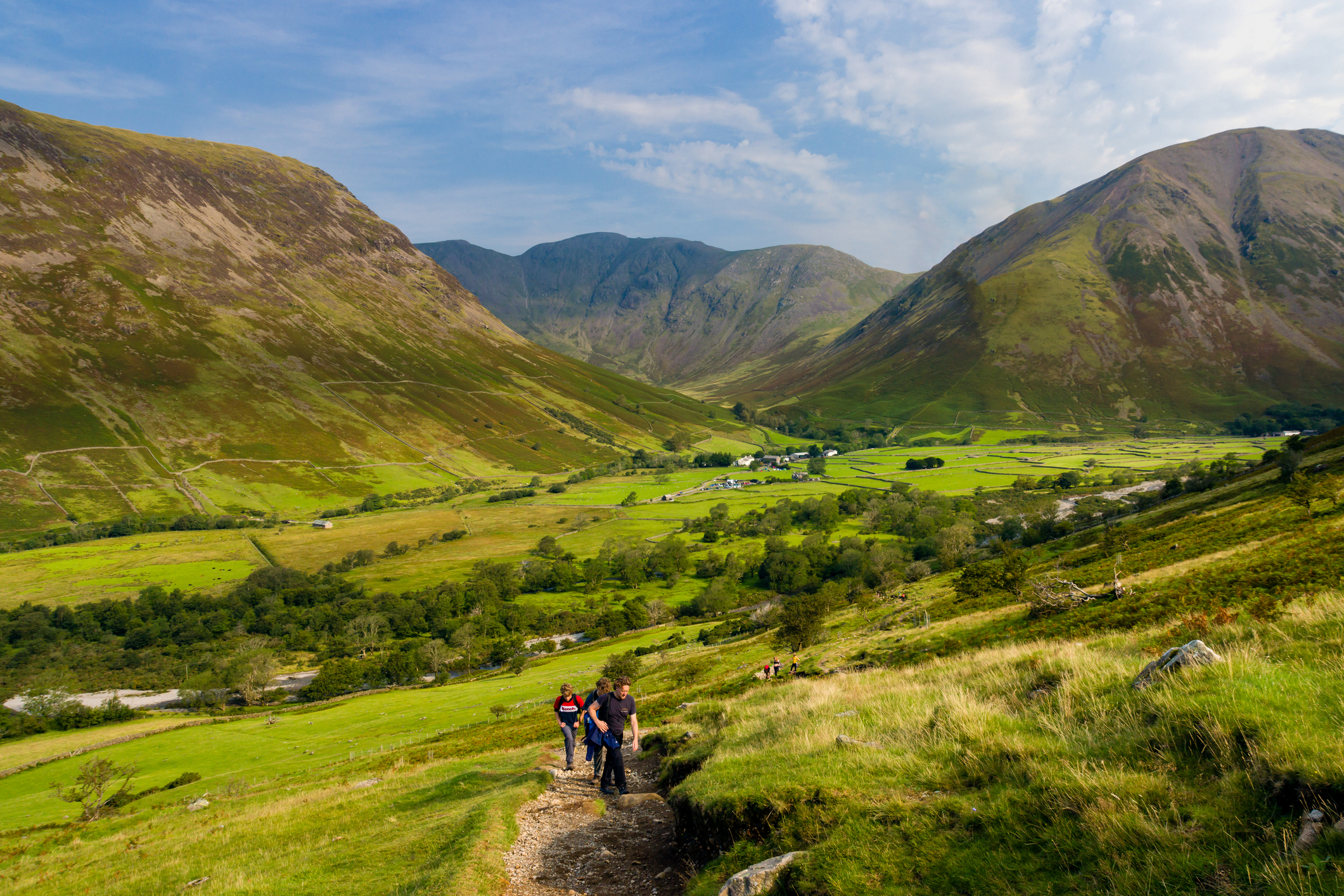
PHOTO: Hikers starting the climb to the summit of Scafell Pike, England’s tallest mountain. Photo by Whitcomberd, used by permission.

ENGLAND GEORGI FADEJV LICENSED

cumbria

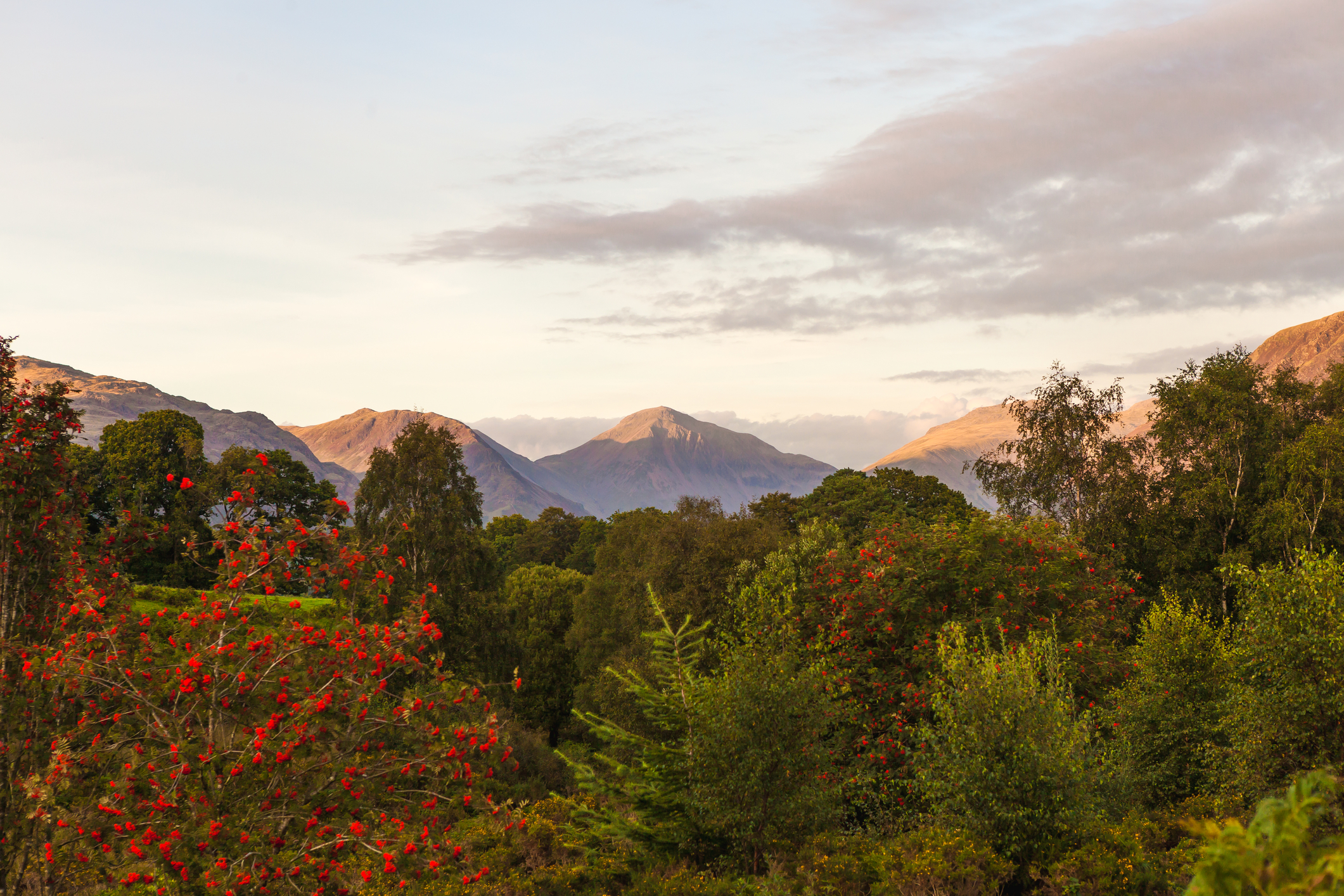
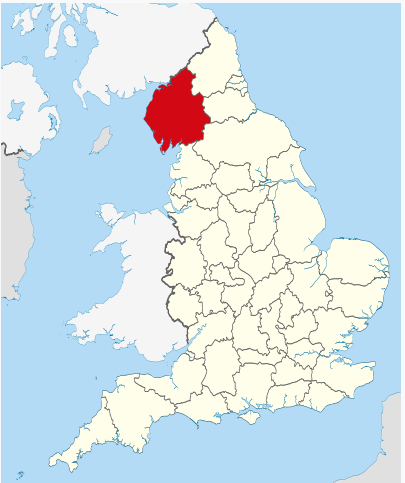
NOTE FROM THE AUTHOR: At 3,209 feet, Scafell Pike is the highest mountain in England. Located in Cumbria‘s Lake District National Park, one of the most beautiful national parks in the country, it is an iconic sight and makes for a formidable (yet enjoyable) walk.  It is best to go there in summer and avoid the rain. The rocks can be slippery and it is a lot easier to reach the summit when dry. The view at the top is extremely impressive, with some wonderful views of the surrounding mountains.

MAP: Scafell Pike is located in Cumbria (noted in red), a county in North West England that borders Scotland.

PHOTO: Scafell Pike (center), Cumbria, England. Photo by Georgi Fadejev, used by permission.

WARD PHOTO

ABOUT THE AUTHOR:
Christian Ward is a UK-based writer who can be currently found in Culture Matters and the League of Poets. At present, he is working on a memoir of his school days.

Thus Flows the River of Life by Rajnish Mishra

varanasi-1370505_1920

Thus Flows the River of Life 
by Rajnish Mishra

Warm, yellow, early
sun rays on steps of stone,
Cold, turquoise, early, still
Ganga water;
early, sleepy echoes all around;
I, alone, not lonely,
daily drifting, sit by the river.

Vermilion, late, reflected, warm, green:
Stone steps, water, temples, river, air,
later, resting echoes all around;
I, between stone and water
that looks foul yet fair.

Conch shells, damrus,
drums all sleeping
wake up, call out the coming of night.
then sleep once again.

Waiting to wake up
with the coming of light:
With cold, vermilion,
New-born sun smiling,
Drenching the stone-water
in rays-rain.

PHOTO: Varanasi, Uttar Pradesh, India, and River Ganges. Photo by Kraig Seder, used by permission. 

varanasi map

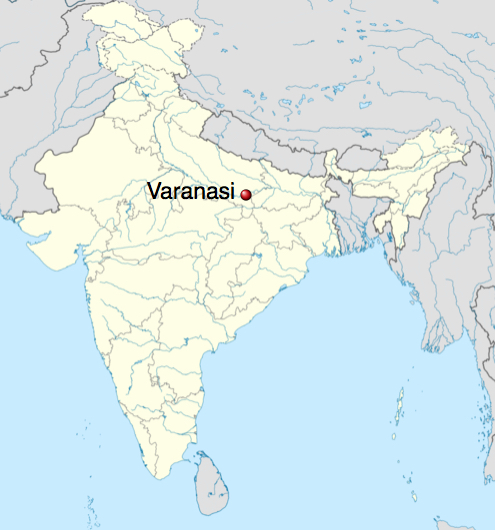
NOTE: Varanasi is a city on the banks of the River Ganges in Uttar PradeshIndia. A major religious hub in India, it is the holiest of the seven sacred cities (Sapta Puri) in Hinduism and Jainism. Varanasi has been a cultural center of northern India for several thousand years, and is closely associated with the River Ganges. Hindus believe that dying here and getting cremated along the banks of the “holy” Ganges allows one to break the cycle of rebirth and attain salvation, making it a major center for pilgrimage. The city is known worldwide for its many ghats, embankments made in steps of stone slabs along the river bank where pilgrims perform ritual ablutions. 

IMAGE: Map of India showing the location of Varanasi. 

shiv-prasad-OPWM488DfeQ-unsplash

NOTE FROM THE AUTHOR: This poem is about the city eternal: Varanasi, also known by the names of Kashi and Banaras. The city runs parallel to the river that the Hindus lovingly call Mother Ganga. For hundreds of years, visitors, travelers, and pilgrims have been mesmerized by the beauty of this city. This poem is a homage to that spirit and a bow to the holiest city for all the Hindus of the world.

PHOTO: Varanasi, Uttar Pradesh, India, and River Ganges. Photo by Shiv Prasad on Unsplash

Rajnish

ABOUT THE AUTHOR: Rajnish Mishra is a poet, writer, translator, and blogger born and brought up in Varanasi, India, and now in exile from his city. His work originates at the point of intersection between his psyche and his city. He edits PPP Ezine and writes at rajnishmishravns.wordpress.com.

Cat Scarf—Arasta Bazaar by Joan Leotta

turkey resul muslu licensed

Cat Scarf—Arasta Bazaar
by Joan Leotta

Under the awning,
in the Arasta Bazaar
we pawed through the display
in front of the silk shop—
dozens of soft, splendid scarves
shimmied in the breeze
calling to our eyes and fingers.
I spied among them, a silken swath
replete with feline images.

My daughter draped it
over her smooth shoulders.
The many smiling kitties
meowed sweetly in her ear,
(she assured me!),
singing the many joys
of ancestor cats
who, likely, in Sultan’s time
draped themselves around
shoulders of those who fed them.

As we chatted about the merits
of purchasing yet another scarf,
a large orange tabby
padded up and stopped
to stare at my lovely girl.
Was he resting with us
after a hard day of mousing
in Topkapi palace? Or
urging us to purchase
these likenesses of his kin?

The shopkeeper poked
his head out calling to us,
“Lovely!” he proclaimed,
“A bargain too.”
I bought the scarf .
Tabby purred approval.

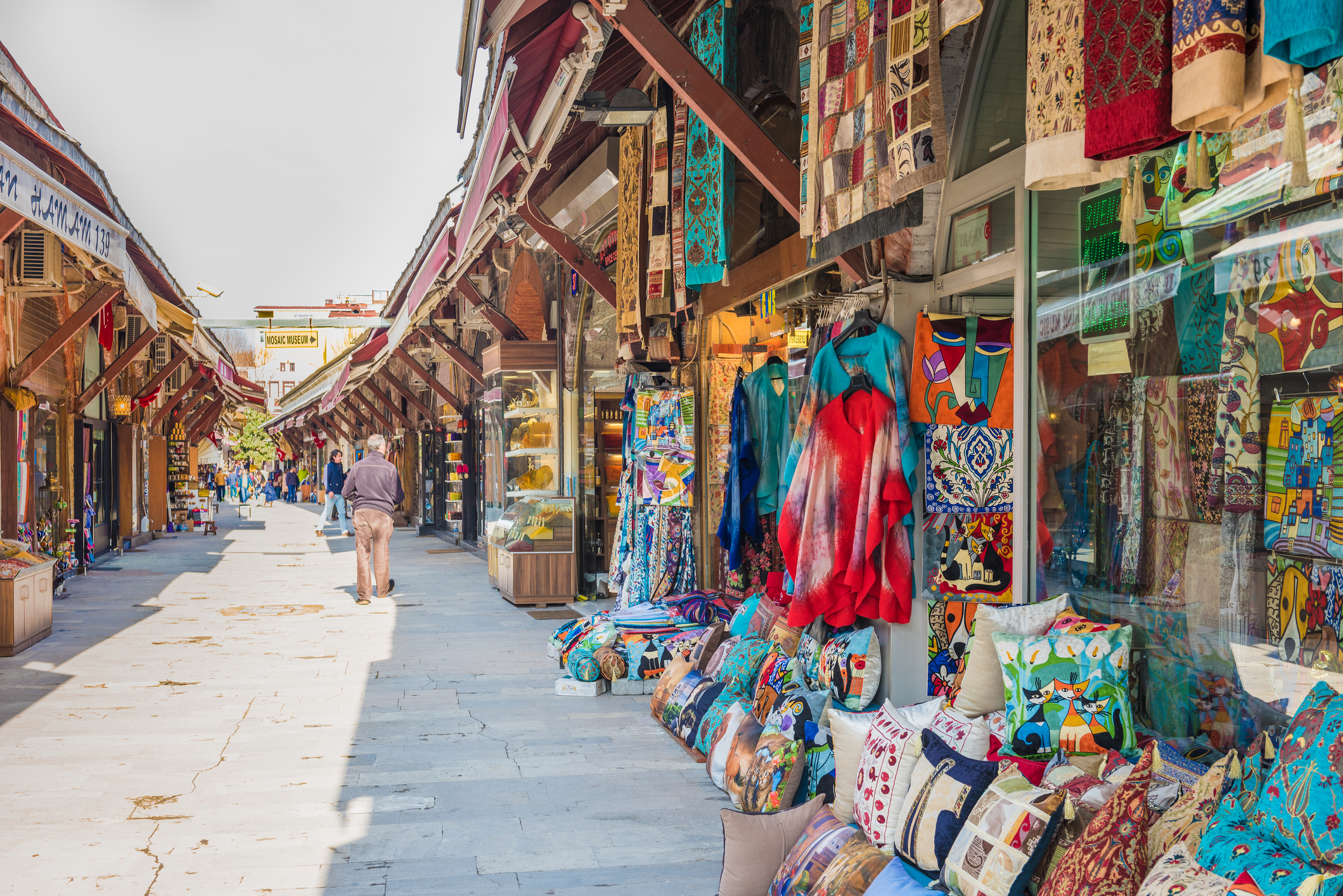
PHOTO: Arasta Bazaar, Istanbul, Turkey (February 2017). Photo by Resul Muslu, used by permission.

istanbul map

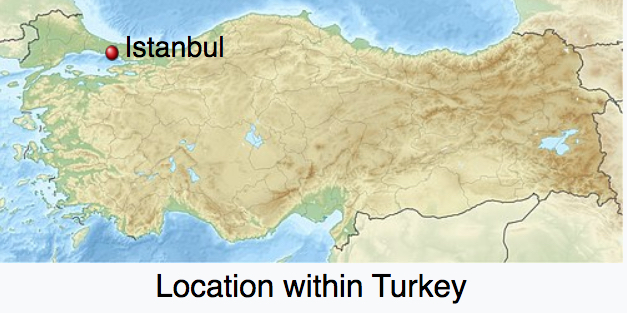
NOTE: Istanbul, formerly known as Byzantium and Constantinople, is a transcontinental city in Eurasia, straddling the Bosporus Strait (which separates Europe and Asia) between the Sea of Marmara and the Black Sea. Its commercial and historical center lies on the European side and about a third of its population lives in suburbs on the Asian side of the Bosporus. With a total population of around 15 million residents in its metropolitan area, Istanbul is one of the world’s largest cities by population. Learn about the Arasta Bazaar at goturkeytourism.com.

turkey olga turbina 77

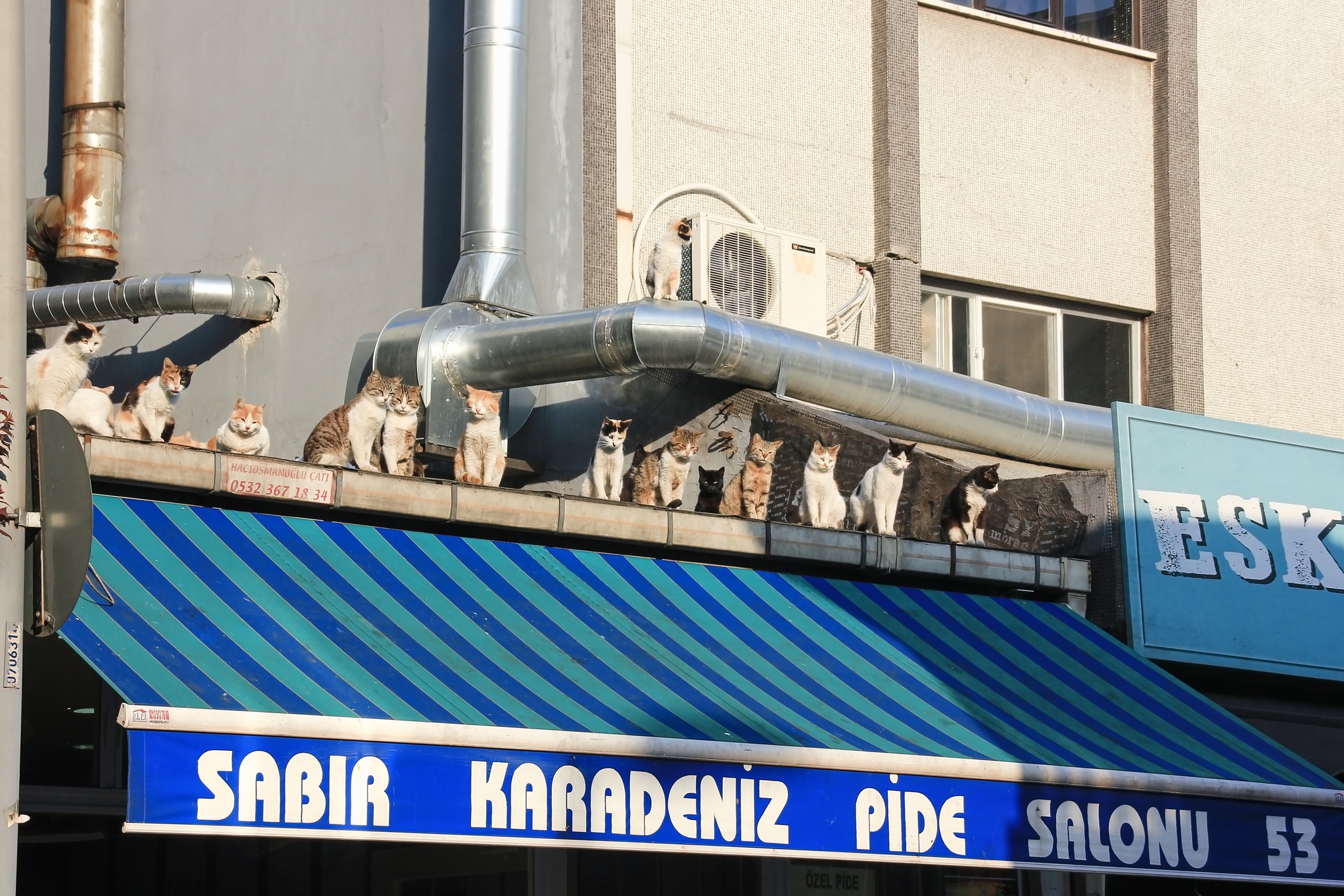
NOTE FROM THE AUTHOR:  Feral cats are beloved in Istanbul. People “adopt” several by feeding and caring for one or more—shopkeepers, too, often care for several cats near their stalls or stores.

NOTE: Colony of cats above an awning on a store in Istanbul, Turkey (May 2015). Photo by olgaturbina77, used by permission.

joan-leotta-seaglass-necklace

ABOUT THE AUTHOR: Joan Leotta is a writer and story performer. Her poems have appeared in Silver Birch, When Women Write, Verse Visual, Verse Virtual, The Ekphrastic Review, Yassou, Stanzaic Stylings, read at the Ashmolean, and have won an award at the Wilda Morris Challenge. Her first chapbook, Languid Lusciousness with Lemon, is available from Finishing Line Press. Her essays, articles, and stories are also widely published. On stage, she presents folk and personal tales of food, family, and strong women. She loves to walk the beach, cook, and browse through her many travel photos. Visit her at joanleotta.wordpress.com and on Facebook.

Midsummer on Bodmin Moor by Rose Mary Boehm

england helen hotson licensed

Midsummer on Bodmin Moor
by Rose Mary Boehm

White feathery tufts of
of cotton grass
wave in a breeze.

Wind rustles in the golden gorse,
whispers in stunted thorn trees,
strokes heather and the odd
battered blackthorn.

My tightly tied boots break
dry, hard grasses over
treacherous ground. Below
the surface run kilometers
of badger tunnels.

Occasionally a bird lifts off, its
flapping wings the only sound.

At the edge of my vision
a little meadow pipit runs
up and down, wagging its tail.

Near Golitha Falls I sit, quiet
like a deer hunter, camera ready,
waiting for a glimpse
of a grey wagtail perhaps
or even a kingfisher.

Way off, across the heath,
a woodpecker drums
in the ancient woodland
where old oaks house
lichens, liverworts,
mosses and ferns.

Far overhead a couple of buzzards
wheel and mew. Even higher
a skylark rises into the immense blue,
warbling its mating song.

Bees buzz among bog orchids and
needle spikerush, avoiding
sundews and butterworts.

A sudden blaze of the evening sun
gives away the hiding place
of a golden plover.

Multi-colored dots move towards
me from a big travel bus
with wing mirrors like huge
bee antennae. “Mum… I saw
the ‘Beast of Bodmin Moor.'”
A small sticky hand
bores itself into mine.

PHOTO: Bodmin Moor, Cornwall England, with ancient stone cottage (center), stone marker (foreground), and Brown Willy (mountain in the background). Photo by Helen Hotson, used by permission. 

cornwall

NOTE: Bodmin Moor is a granite moorland in northeastern Cornwall, England. Eighty square miles in area, the moor dates from the Carboniferous period of geological history. The site includes Brown Willy, the highest point in Cornwall, and Rough Tor, a slightly lower peak. Many of Cornwall’s rivers have their sources here. Inhabited since at least the Neolithic era, a period when primitive farmers started clearing trees and farming the land. These inhabitants built megalithic monuments, hut circles, and cairns, and the Bronze Age culture that followed erected additional cairns, as well as stone circles and stone rows. By medieval and modern times, nearly all the forest was gone and livestock rearing predominated.

IMAGE: Map of the United Kingdom, with Cornwall indicated in red. 

DSC02457x

ABOUT THE AUTHOR: Rose Mary Boehm is a German-born British national living and working in Lima, Peru. Her poetry has been published widely in mostly US poetry reviews (online and print). Her fourth poetry collection, The Rain Girl, was published by Chaffinch Press in August 2020. Visit her at rose-mary-boehm-poet.com

Leaving Algeciras in 1971 by Diane Kendig

africa spain ramirez licensed

Leaving Algeciras in 1971
by Diane Kendig

“Africa, a whole new world.” —Philip Levine

We could catch a boat from there to Ceuta for seventy-five cents,
we said to each other in the school lobby in Segovia,
we could go to Africa for less than a dollar, once we got to Algeciras.
I had only the hundred an uncle had given me to last four months.
We arrived late, would have to wait for the boat in the early morning,
needed to stay near shore in the sailors’ hostel, the filth of which
I’d never seen. Mark reeled out of the bathroom, said, “Do not
go in there. Do Not.” I wondered how my bladder
would make the night, and I do not remember now how it did.

I remember the ride, the suffusing sun of Spain,
that light fantastic to a twenty-one-year old Midwesterner, so
stupid with it, for months I’d burned and tanned and burned more,
on board also a South American family shifting languages
and dialects, and even their seven-year old girl knew
them all and chattered to me in English too.

Then a lot of Berbers were loaded on, all wearing off-white,
robes and turbans, screamed at to move to the back of the boat,
herded, crammed in, waiting like us but not like us
to get to Africa.

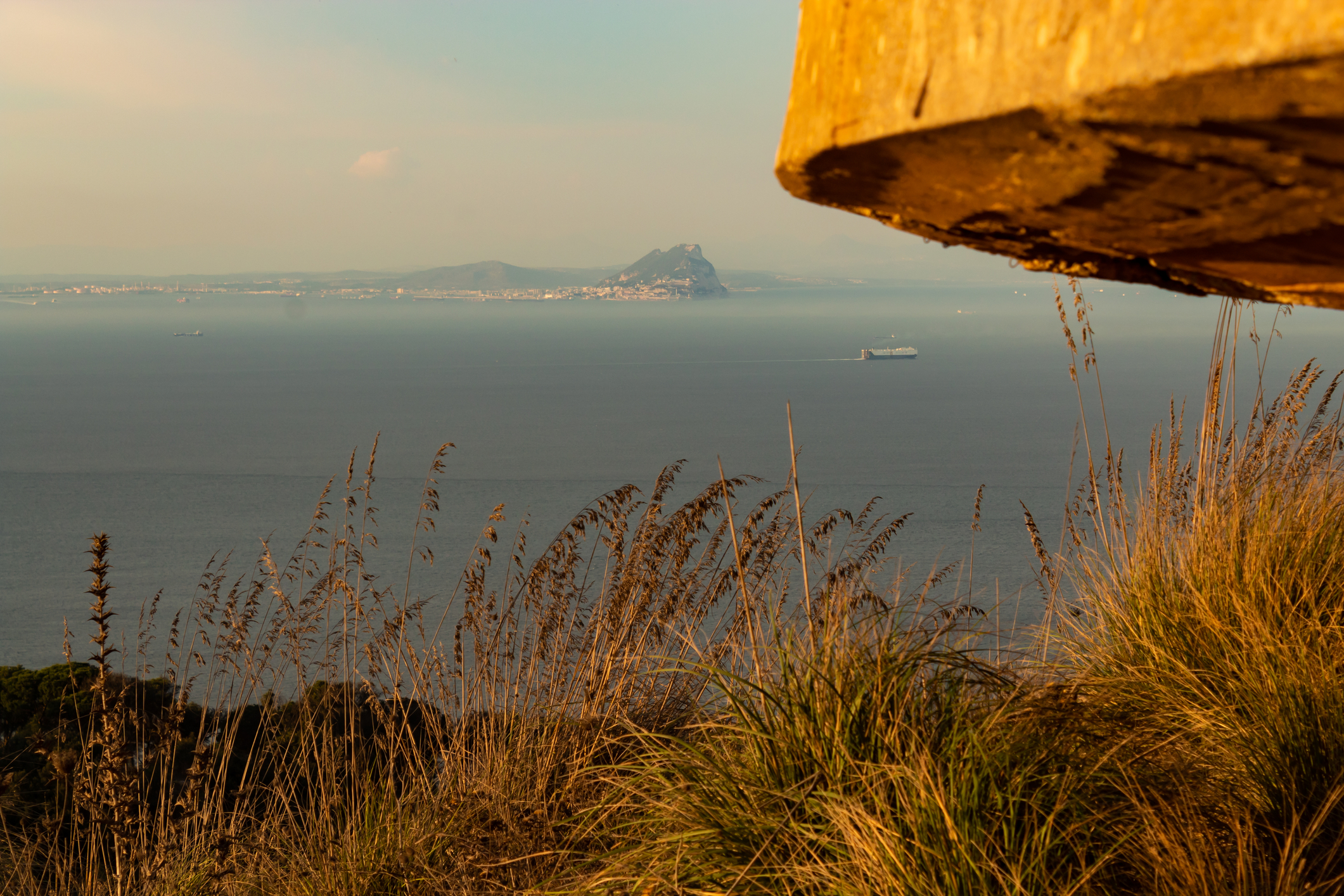
PHOTO: Ferry traveling the Bay of Gibraltar from Algeciras, Spain, to Ceuta, a Spanish autonomous city on the north coast of Africa, with the Rock of Gibraltar in the background.

map spain africa

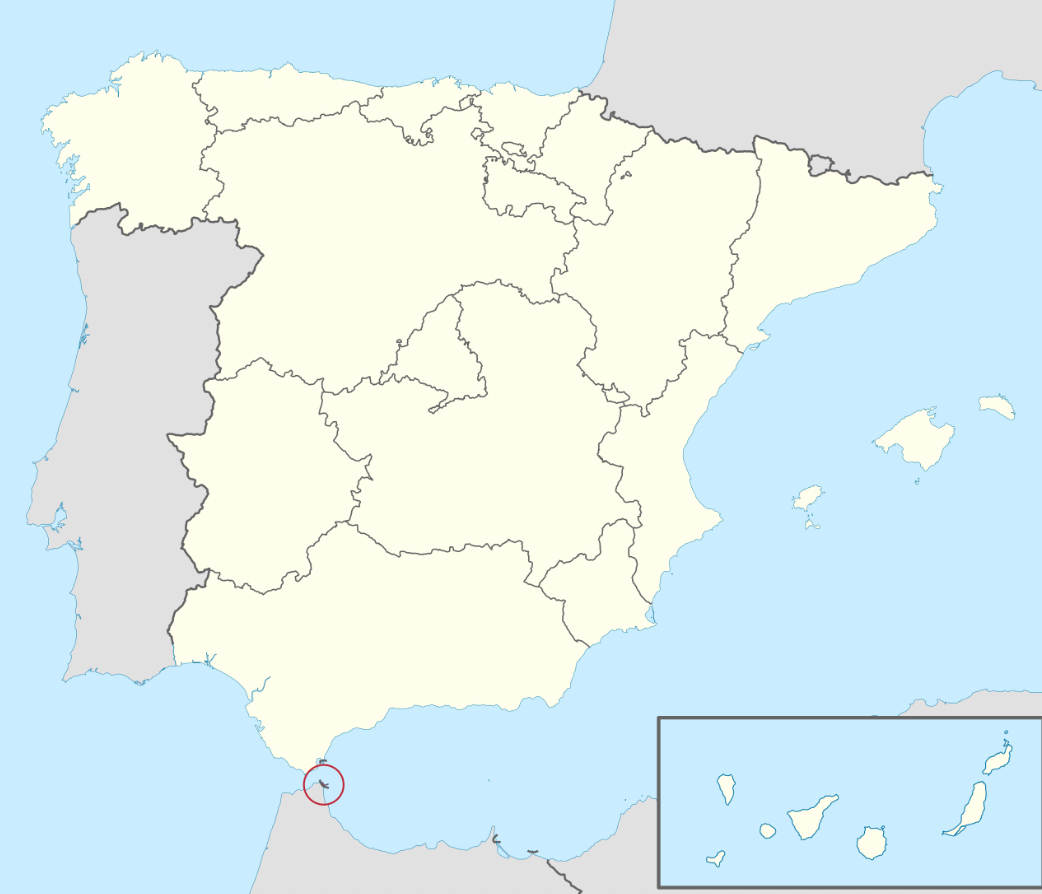
NOTE: Algeciras is a port city in the south of Andalusia, Spain, and the largest city on the Bay of Gibraltar. Ceuta is a Spanish autonomous city on the north coast of Africa. Bordered by Morocco, it lies along the boundary between the Mediterranean Sea and the Atlantic Ocean, and is one of nine populated Spanish territories in Africa, along with Melilla. On March 14, 1995, Statutes of Autonomy were passed for both Ceuta and Melilla. While Spanish is the official language, Darija Arabic is also spoken by the 40–50% of the population who are of Moroccan origin.

IMAGE: The circled area on the map shows the approximate location of Algeciras, Spain, and Ceuta, a Spanish autonomous city on mainland Africa. The distance is about 19 miles, a trip that takes approximately 75 minutes. Ticket price as of 2021 is about $37.

Bienvenidos_a_ceuta

NOTE FROM THE AUTHOR: This poem is a memory I have from a trip to Africa in 1971. It was inspired by a poem about traveling to Algeciras in Philip Levine’s final book, The Last Shift (2018), released after his death in 2015. And, checking online, I see that the ferry that goes from Algeciras to Ceuta is still going and I hope to take that trip one more time, after the healing begins. I could not verify the cost of the ferry, but I very much suspect that it is more than the 75 cents that we paid for it.

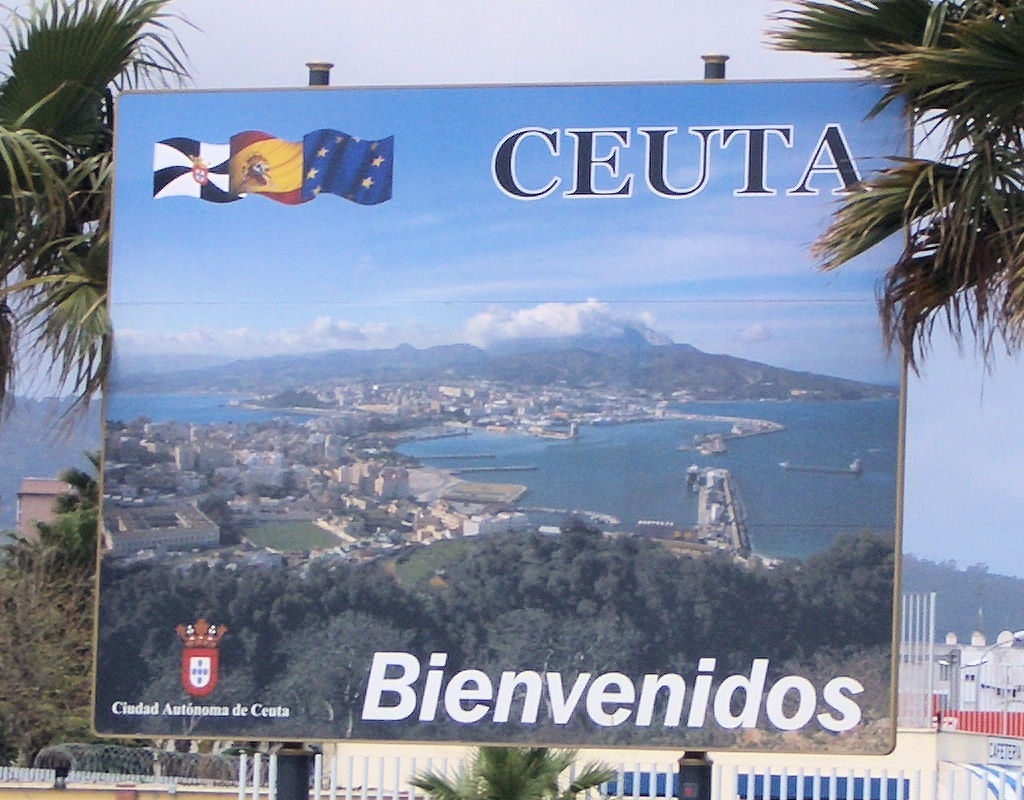
PHOTO: Welcome to Ceuta sign, north coast of Africa, showing the flags of Ceuta, Spain, and the European Union. Photo by the Red Hat of Pat Ferrick, used by permission.

Diane-0062

ABOUT THE AUTHOR: Diane Kendig has published four poetry collections, most recently Prison Terms and The Places We Find Ourselves. She also co-edited the anthology, In the Company of Russell Atkins and translated Nicaraguan poetry for A Pencil to Write Your Name. Her prose and poetry have appeared in anthologies and in journals such as Blueline, Under the Sun, and J Journal. Her book Woman with a Fan, poems and essays on the Spanish painter Maria Blanchard, will be released in June 2021 with Shanti Arts. Kendig curates the Cuyahoga County Public Library weblog, “Read + Write: 30 Days of Poetry,” and teaches writing in prison. Visit her at dianekendig.com.

PHOTO: The author and her Scottie, Robert Burns Beaudig.

Two Jews, Truck Stop, Syrian Mountains by Rafaella Del Bourgo

syria borlili licensed

Two Jews, Truck Stop, Syrian Mountains
by Rafaella Del Bourgo

Snow like powdered sugar on tree-tops,
on the twisting road.
Our truck driver brakes at a long mud hut. Beckons
to follow him inside.

Kerosene lanterns.
An older man and woman welcome him,
cut their eyes in our direction.
We are seated on cushions at a low table.
The three talk. Joe and I shiver with cold.

Other drivers arrive,
including one who looks like the actor Robert Mitchum.
He speaks a little English. Grins.
Your earrings are gold, yes?

We all sip tea.
The woman squats, cooks over a low stove,
little needles of heat,
the men in lively conversation.
Robert Mitchum steals a glance at us.
says, You are going through Jordan to Israel, yes?
His words, stones in the mouth.

Comfort food arrives at the table:
rice, flat bread, meat stew.
We do not ask what meat
but, somehow, it all smells like home.

I reach out with my left hand
and our driver slaps it.
Like an ignorant child,
I’ve done something wrong.
He fixes my plate the “proper” way,
shows me I should use my right hand.
More tea; the woman stokes the fire,
serves small pastries
stuffed with pistachios and honey.

Joe and I are ready to leave.
Robert Mitchum says, We sleep.
In a corner of the room,
the couple rolls out animal skins.

I lie down close against the wall, then Joe,
then our driver, Robert Mitchum,
the dozen other drivers.
More skins are laid on top of us.
We’re no longer cold but Joe complains
the covers are too heavy.

I’m going to be raped,
I tell Joe.
I know, he says. And I’ll be murdered.
Stabbed, probably, I say.
Yes, Joe agrees. Stabbed.

I start to laugh. Joe laughs.
Our truck driver and Robert Mitchum laugh.
It ripples down the communal bed,
all of us laughing and laughing.

Finally, our truck driver scolds us
and Robert Mitchum says, Sleep.
Silence cloaks the room.
Outside the small window,
cedars tremble in the wind,
release their burden of snow.

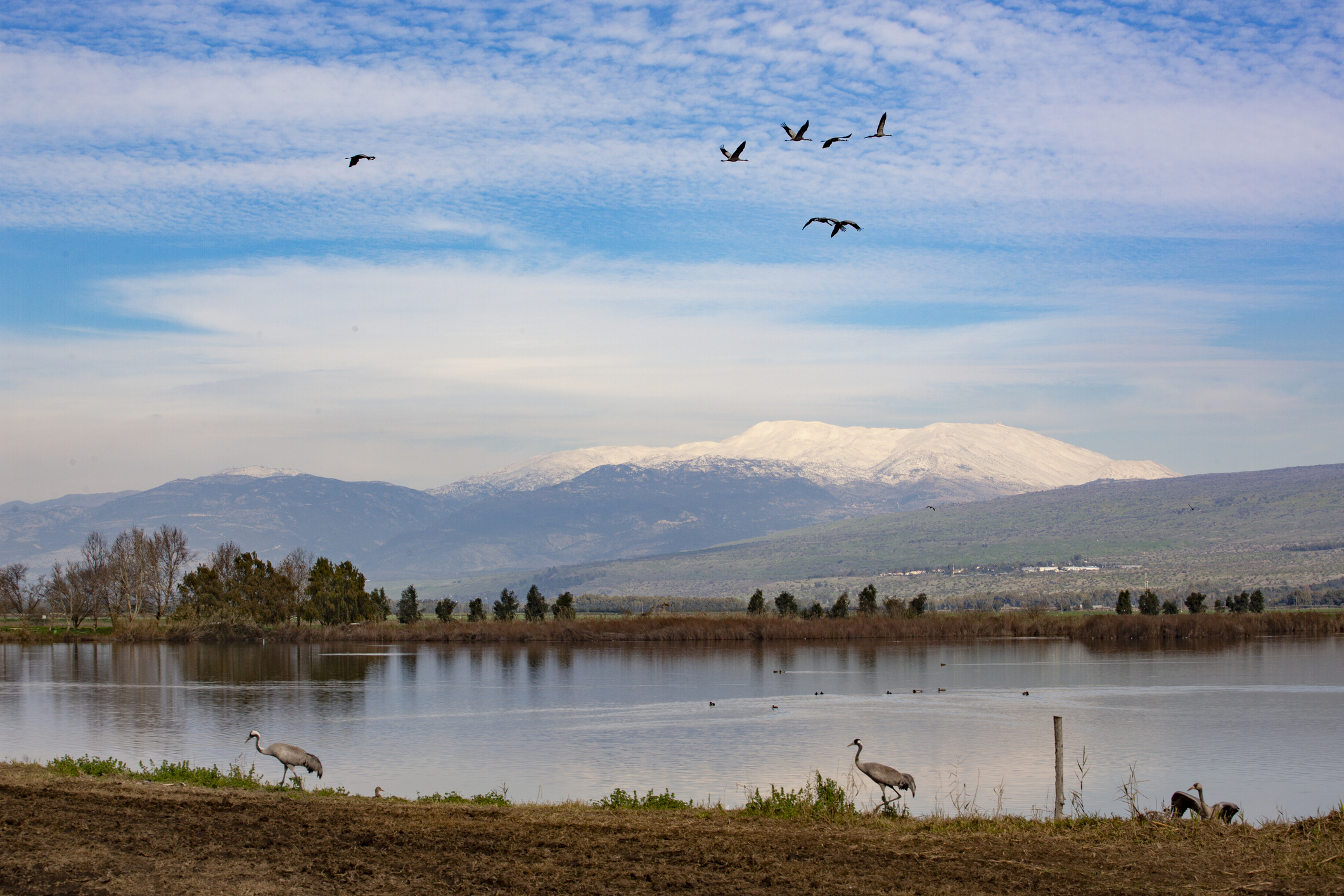
PHOTO: Mount Hermon, Syria. Photo by Borlili, used by permission.

NOTE: Mount Hermon is a mountain cluster constituting the southern end of the Anti-Lebanon mountain range. Its summit straddles the border between Syria and Lebanon and, at 9,232 feet above sea level, is the highest point in Syria.
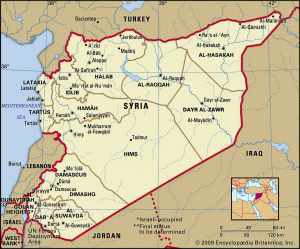
NOTE: Syria is a country in Western Asia, bordering Lebanon to the southwest, the Mediterranean Sea to the west, Turkey to the north, Iraq to the east, Jordan to the south, and Israel to the southwest. A country of fertile plains, high mountains, and deserts, Syria is home to diverse ethnic and religious groups. Read more about Syria’s complex history here.

PHOTO: Map showing Syria’s borders with some of the 18 countries in the Middle East. (©2009 Encyclopedia Brittanica)

NOTE FROM THE AUTHOR: After graduating from UC Berkeley in 1966 and working as the Assistant Regional Buyer for Ladies Lingerie and Loungewear at Sears Roebuck in downtown L.A., I traveled to Europe and then spent nine months in the Middle East with various people I met. I encountered Joe on New Year’s Eve on a boat from Brindisi to Athens. He was a wonderful traveling companion.
del-bourgo

ABOUT THE AUTHOR: Rafaella Del Bourgo’s writing has appeared in Puerto Del Sol, Rattle, Oberon, Nimrod, and The Bitter Oleander. She has won many awards including the League of Minnesota Poets Prize in 2009. In 2010, she won the Alan Ginsberg Poetry Award. She was also the 2010 winner of the Grandmother Earth Poetry Award.  In 2012 she won the Paumanok Poetry Award.  In 2013 she was the recipient of the Northern Colorado Writers first prize for poetry and in 2014, the New Millennium Prize for Poetry.  In 2017 she won the Mudfish Poetry Prize and was nominated for the third time for a Pushcart Prize.  Her chapbook Inexplicable Business: Poems Domestic and Wild was published by Finishing Line Press.  She lives in Berkeley, California, with her husband and cat.

Stone of Dreamtime by Trudy Wendelin

Ochre_pits

Stone of Dreamtime
The Ochre Pits, Australian Outback
by Trudy Wendelin

In raw, ochre realms
Aborigines paint the blood of ancestors
From deep palette of minerals
Onto desert landscapes…

As shadows of sienna
Fade into glowing winds
Through the ephemeral light
With burnt whispers of fire,

Mining emotions from eternity,
Excavating years from eons
Of ancient tears and flesh
Into a dense moment in time.

My heart resonates with
Sanguine memories of death
And dry, earthen tones
Upon pyre of mystic clay

In the golden shards of day,
Dawn’s horizon warms
Into haze of ochre hues,
Tinged with iron rust

And rocks of the spirit’s viscera,
Bloodletting dreaming tracks
With songs to sing into existence
My walkabout along a desert stream…

PHOTO: Aboriginal Ochre Pits on the Larapinta Trail, Northern Territory, Australia, 2004. Photo by Felix Dance, used by permission.

NOTE: The Ochre Pits are a popular tourist destination in Australia’s Northern Territory, approximately 60 miles west of Alice Springs along the Larapinta Trail. The pits consist of several layers of multi-colored, layered rock traditionally used by Indigenous Australians in ceremonies and for trade.  The mine belongs to the Western Arrernte people. Prior to European settlement of the area in 1880, only certain men were qualified to collect the ochre,  a natural clay earth pigment that is a mixture of ferric oxide and varying amounts of clay and sand.

StoneofDreamtime-Wendelin

NOTE FROM THE AUTHOR: The Ochre Pits are an Aboriginal sacred site in the Australian Outback’s West MacDonnell National Park. The Aboriginal people called Ochre the “Stone of Dreamtime” and believed it was the blood of the ancestors. They extracted ochre from cliffs for thousands of years, mainly for ceremonial purposes. According to the Aborigines, Dreamtime is the infinite realm, from which the spirits manifested the land, such as, these Ochre Pits and the people. They also performed Walkabouts, manifesting their paths into existence through hearing “Songlines” or dreaming tracks. During my solo travels in the Australian Outback, the Ochre Pits were my greatest surprise! On a 4-wheel-drive tour through the West MacDonnell National Park, the highlight was discovering and standing next to the Ochre Pits.  This brought the Aboriginal Dreamtime very much alive for me.  Even more, at the Ochre Pits, I believe that I tapped into the ancient, Aboriginal “Songlines” and created this poem from Dreamtime on my own personal Walkabout… 

PHOTO: The author, taken on her camera by the Guide, alongside The Ochre Pits of the Australian Outback.

Portrait-Trudy Wendelin

ABOUT THE AUTHOR: Trudy Wendelin is a self-taught Poet, Licensed Acupuncturist, and World Traveler. In 2020, she published her first book, The Silver Chalice Sonnets, on Amazon. Her sonnet “At Walden Pond” was published in the poetry anthology Quothade. She wrote and co-produced a 5 Element Meditation Series, based on East Asian Medicine. Currently, Trudy is working on her second book of free-verse Travel Poems for publication in 2021.  A resident of Seattle, Washington, she writes travel and wellness articles on her website truewindhealingtravel.com.