Survivor Tree by Joan McNerney

NY cpenler licensed

Survivor Tree
May 2011
by Joan McNerney

There in core of the
World Trade Center
this pear tree stands.

It grew from ash of bodies
clasping hands falling in air.

Cared for by those who
believe in life.

Now reaching for heaven
despite the hatred of men
screaming in streets.

Look how sunlight touches
each leaf. Think of
every leaf being
completely unique.

There are none so blind
who will not see all that
has been given to us.

PHOTO: The Survivor Tree at the National 9/11 Memorial in Lower Manhattan, New York City, with World Trade Center Tower One in the background. Photo by CPenler, used by permission.

 NOTE: A Callery pear tree became known as the “Survivor Tree” after enduring the September 11, 2001 terror attacks at the World Trade Center.  In October 2001, a severely damaged tree was discovered at Ground Zero, with snapped roots and burned and broken branches. The tree was removed from the rubble and placed in the care of the New York City Department of Parks and Recreation. After its recovery and rehabilitation, the tree was returned to the Memorial in 2010. New, smooth limbs extended from the gnarled stumps, creating a visible demarcation between the tree’s past and present. Today, the tree stands as a living reminder of resilience, survival, and rebirth. (Source: 911memorial.org)

joanatpool-copy1-1

ABOUT THE AUTHOR: Joan McNerney’s poetry is found in many literary magazines, such as Seven Circle Press, Dinner with the Muse, Poet Warriors, Blueline, and Halcyon Days, as well as in four Bright Hills Press anthologies, several editions of the  Poppy Road Review, and numerous Spectrum Publications.  Her latest title, The Muse In Miniature, is available on Amazon.com and Cyberwit.net.  She has four Best of the Net nominations.

The London Eye by Beverly M. Collins

david-henderson-sHLhv8971iE-unsplash

The London Eye
by Beverly M. Collins

Like most of life,
We jump aboard while
the ride is in motion.

Then, slowly climb to where
The view grabs attention.
The ascension unnoticed
background elevation…

Like a “People-pod,”
we are a capsule-snapshot
of humanity

Some are in awe. They laugh,
point, chatter, move all about
and embrace the ride.

Some seat themselves
(silent-but-watching) they
find something (anything)
to hold onto.

Still others curl low, snagged
by apprehension, gradually cast
their eyes from the sugar-horizon
until they can only view the floor.

We all descend then disembark.
The big wheel swings on
(without us) at full speed.

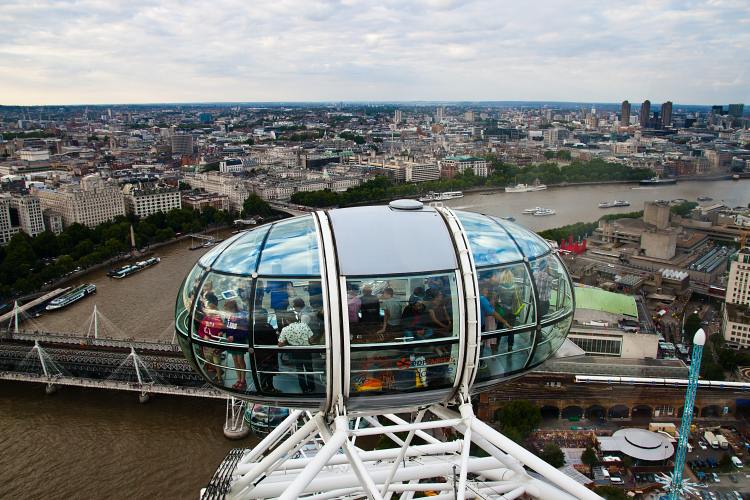
PHOTO: The London Eye (London, United Kingdom). Photo by David Henderson on Unsplash

marc-wieland-4TvI4AxkZ8Q-unsplash

NOTE: The London Eye, or the Millennium Wheel, is an observation wheel on the South Bank of the River Thames in London. It is the most popular paid tourist attraction in the United Kingdom, with over three million visitors annually. At 443 feet tall, when it opened to the public in 2000 it was the world’s tallest Ferris wheel. The London Eye was designed by the husband-and-wife team of Julia Barfield and David Marks of Marks Barfield Architects.

PHOTO: The London Eye (London, UK). Photo by Marc Wieland on Unsplash

IMG_0840 (2)

ABOUT THE AUTHOR: Beverly M. Collins is the author of Quiet Observations: Diary thought, Whimsy and Rhyme and Mud in Magic. Her work has also appeared in California Quarterly, Poetry Speaks! A year of Great Poems and Poets, The Hidden and The Divine Female Voices in Ireland, The Journal of Modern Poetry, Spectrum, The Altadena Poetry Review, Lummox, The Galway Review (Ireland), Verse of Silence (New Delhi), Merak Magazine (London), Scarlet Leaf Review (Canada), The Wild Word Magazine (Berlin), Indigomania (Australia) and many others.  She is the winner of a 2019 Naji Naaman Literary Prize in Creativity (from Lebanon). Collins is also a prize winner for the California State Poetry Society and has been twice nominated for the Pushcart Prize, once for Independent Best American Poetry and short-listed for the 2018 Pangolin Review Poetry Prize (Mauritius).

PHOTO: The author during her ride in the London Eye.

Yosemite: A Triptych by Mark A. Fisher

pablo-fierro-zOXUvQ3Xo3s-unsplash

Yosemite: A Triptych
by Mark A. Fisher

once I went to Yosemiteto see rocks andonce to see the trees
where wildflowers couldfeel the vast timeimmense and ancient
fill all the meadowswith morainesfilling the valley
hollowed out andleft by glacierslichen covered
grown greenfading awayMother nature
drawing thousandsforgettingthe wilderness

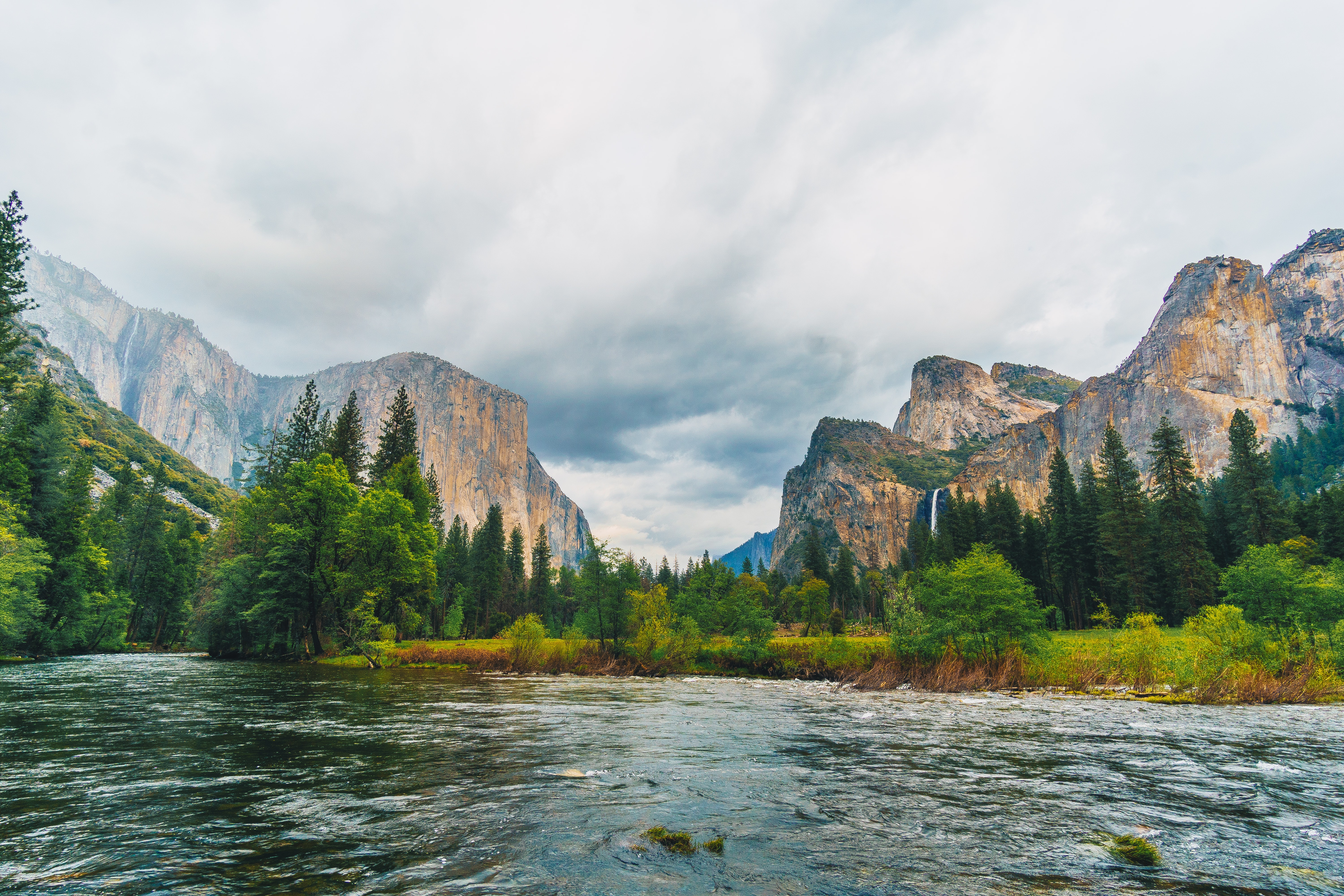
PHOTO: Yosemite Valley, California. Photo by Pablo Fierro on Unsplash

NOTE: Yosemite National Park, located in central-eastern California, is internationally recognized for its granite cliffs, waterfalls, clear streams, giant sequoia groves, lakes, mountains, meadows, glaciers, and biological diversity. Almost 95% of the 758,436-acre park is designated wilderness. About four million people visit Yosemite each year, and most spend the majority of their time in the seven square miles of Yosemite Valley. Yosemite was central to the development of the national park idea. Galen Clark and others lobbied to protect Yosemite Valley from development, ultimately leading to President Abraham Lincoln signing the Yosemite Grant in 1864. John Muir led a successful movement to have Congress establish a larger national park by 1890, one which encompassed the valley and its surrounding mountains and forests, paving the way for the National Park System.

mark

ABOUT THE AUTHOR: Mark A. Fisher is a writer, poet, and playwright living in Tehachapi, California.  His poetry has appeared in riverbabble, Spectrum, Silver Blade, Penumbra, Lummox, and many other places. His first chapbook, drifter, is available from Amazon. His second, hour of lead, won the 2017 San Gabriel Valley Poetry Chapbook Contest. 

The Dawning by Jeannie E. Roberts

Dock with Dam Lights_Jeannie E. Roberts_11.05.2020

The Dawning
by Jeannie E. Roberts

Just beyond the six-panel dock
daybreak resonates
with electricity.

Hydropower enlivens the rising light.
There’s a fine mist on Lake Wissota
and the dam answers with firefly-like glow.

I awoke for this moment
when the heavens attend to washes of color
balance in blends
of orange / apricot
amber / rose.

I awoke for this moment
when the union between water and sky
opens / lifts
with yawns of rust
touches of bisque / gold.

Here the gift emerges
where the horizon cradles
the birth of morning.

The dawning stirs awakenings
awakenings free beginnings
and daybreak brightens
just beyond the dock.

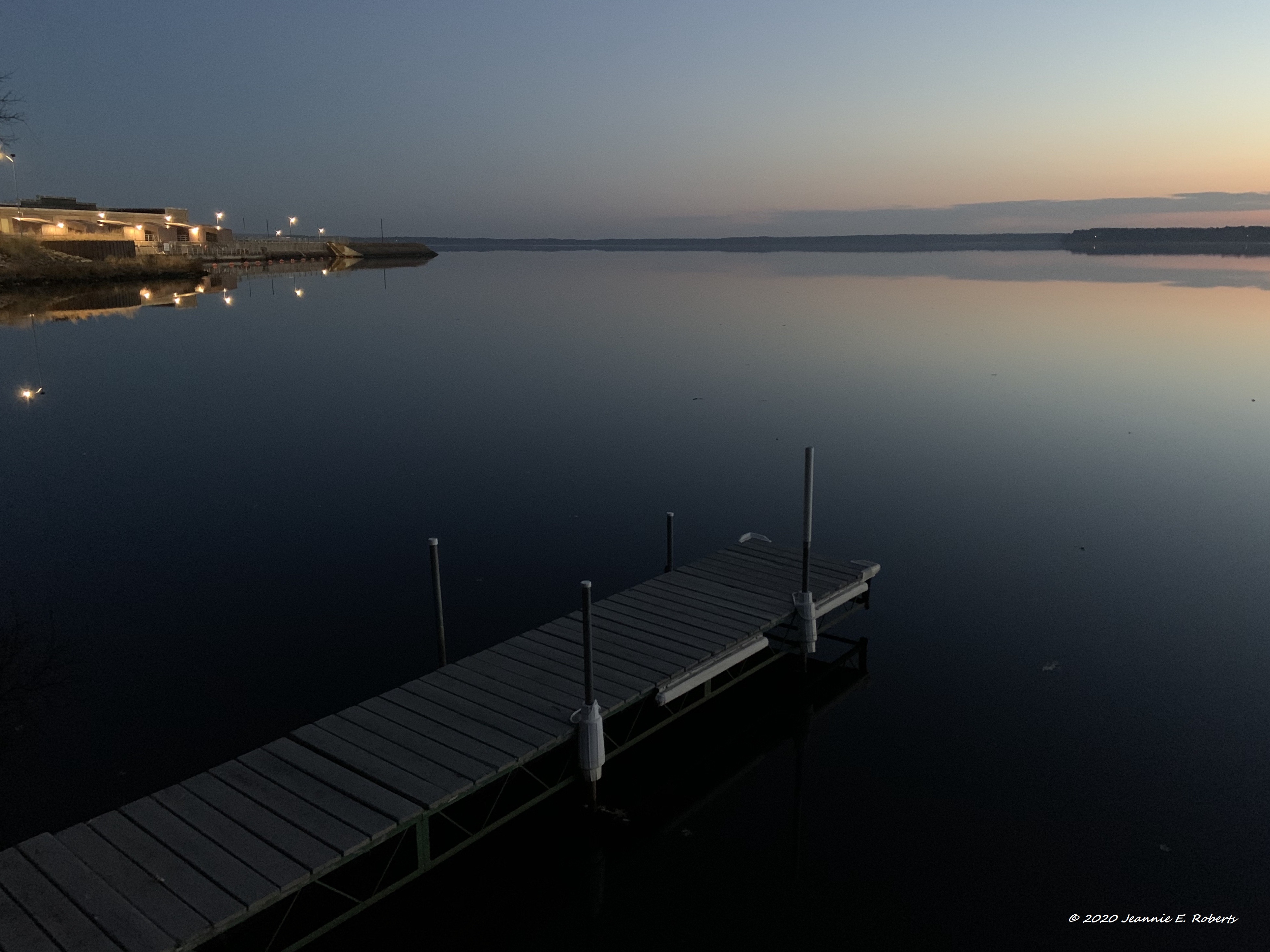
PHOTO: Sunrise, Lake Wissota with lights from Wissota Hydroelectric Dam, Chippewa Falls, Wisconsin. Photo © Jeannie E. Roberts, all rights reserved, used by permission.

NOTE FROM THE AUTHOR: We live on Lake Wissota right next door to the Wissota Hydroelectric Dam, Chippewa Falls, Wisconsin, USA. Sunrises are beautiful with the refection of the dam’s lights; they remind me of Vincent van Gogh’s painting Starry Night Over the Rhône (1888).

NOTE: Lake Wissota was formed by the construction of the Wissota Hydroelectric Dam on the Chippewa River, completed in 1917. The dam was built by the Wisconsin-Minnesota Light and Power Company. An engineer on the project, Louis G. Arnold, named the lake by combining the beginning of “Wisconsin” and the ending of “Minnesota”. The dam is now owned and operated by Xcel Energy, and is capable of producing 36 megawatts.” (Source: Wikipedia.)

Jeannie E. Roberts_AuthorShot_10.12.2020

ABOUT THE AUTHOR: Jeannie E. Roberts has authored six books,  including The Wingspan of Things (Dancing Girl Press, 2017), Romp and Ceremony (Finishing Line Press, 2017), Beyond Bulrush (Lit Fest Press, 2015), Nature of it All (Finishing Line Press, 2013), and Rhyme the Roost! A Collection of Poems and Paintings for Children (Daffydowndilly Press, an imprint of Kelsay Books, 2019). Her work appears in North American and international online magazines, print journals, and anthologies. She is poetry reader and editor of the online literary magazine  Halfway Down the StairsWhen she’s not reading, writing, or editing, you can find her drawing and painting, or outdoors photographing her natural surroundings.

Canada by Billy Collins

lake couchiching

Canada
by Billy Collins

I am writing this on a strip of white birch bark
that I cut from a tree with a penknife.
There is no other way to express adequately
the immensity of the clouds that are passing over the farms
and wooded lakes of Ontario and the endless visibility
that hands you the horizon on a platter.

I am also writing this in a wooden canoe,
a point of balance in the middle of Lake Couchiching,
resting the birch bark against my knees.
I can feel the sun’s hands on my bare back,
but I am thinking of winter,
snow piled up in all the provinces
and the solemnity of the long grain-ships
that pass the cold months moored at Owen Sound.

O Canada, as the anthem goes,
scene of my boyhood summers,
you are the pack of Sweet Caporals on the table,
you are the dove-soft train whistle in the night,
you are the empty chair at the end of an empty dock.
You are the shelves of books in a lakeside cottage:
Gift from the Sea by Anne Morrow Lindbergh,
A Child’s Garden of Verses by Robert Louis Stevenson,
Anne of Avonlea by L. M. Montgomery,
So You’re Going to Paris! by Clara E. Laughlin,
and Peril Over the Airport, one
of the Vicky Barr Flight Stewardess series
by Helen Wills whom some will remember
as the author of the Cherry Ames Nurse stories.
What has become of the languorous girls
who would pass the long limp summer evenings reading
Cherry Ames, Student Nurse, Cherry Ames, Senior Nurse,
Cherry Ames, Chief Nurse, and Cherry Ames, Flight Nurse?
Where are they now, the ones who shared her adventures
as a veterans’ nurse, private duty nurse, visiting nurse,
cruise nurse, night supervisor, mountaineer nurse,
dude ranch nurse (there is little she has not done),
rest home nurse, department store nurse,
boarding school nurse, and country doctor’s nurse?

O Canada, I have not forgotten you,
and as I kneel in my canoe, beholding this vision
of a bookcase, I pray that I remain in your vast,
polar, North American memory.
You are the paddle, the snowshoe, the cabin in the pines.
You are Jean de Brébeuf with his martyr’s necklace of hatchet heads.
You are the moose in the clearing and the moosehead on the wall.
You are the rapids, the propeller, the kerosene lamp.
You are the dust that coats the roadside berries.
But not only that.
You are the two boys with pails walking along that road,
and one of them, the taller one minus the straw hat, is me.

Copyright © 1995 by Billy Collins. “Canada” appears in the author’s collection The Art of Drowning (University of Pittsburgh Press, 1995). 

IMAGE: Vintage postcard of Lake Couchiching (Ontario, Canada).

billy collins

ABOUT THE AUTHOR: Billy Collins, named U.S. Poet Laureate in June 2001 and reappointed to the post in 2002, has published seven collections of poetry, including The Art of Drowning; Picnic, Lightning; and Questions about Angels. He is a Distinguished Professor at Lehman College of the City University of New York (retired, 2016). Collins was recognized as a Literary Lion of the New York Public Library (1992) and selected as the New York State Poet for 2004 through 2006. In 2016, Collins was inducted into the American Academy of Arts and Letters. As of 2020, he is a teacher in the MFA program at Stony Brook Southampton.

Antelope Canyon, Arizona by Jeanie Greenfelder

francis-nie-h1_Ev4glX-E-unsplash

Antelope Canyon, Arizona
by Jeanie Greenfelder

Our Navajo guide Mike shows no mercy
for the fourteen greenhorns in his Jeep.
On this bucking bronco, we bounce
across the red desert to Antelope Canyon,

a slot canyon with tall, narrow passageways
carved by rain eroding sandstone.
Mike points to graffiti and bullet holes
from before the Tribe took charge.

He sticks to his script: in the rocks,
see the bear, George Washington’s head,
stand here for the best photo,
sit and I’ll take your picture.

Along the serpentine path
between orange and magenta walls,
corkscrew curves dance with sunbeams.
Cameras capture grandeur.

Crowds from across the country,
across continents merge. Strangers,
bonded in the presence of beauty,
speak the same oohs and ahs.

No one wants to leave. We wave
and climb aboard waiting Jeeps.
To soothe us Mike sings in Navajo.
Buckled to our benches, we depart.

PHOTO: Antelope Canyon, Arizona. Photo by Francis Nie on Unsplash

GREEN 3

NOTE: Antelope Canyon is a slot canyon on Navajo land east of PageArizona, in the northern part of the state, near the Utah border. It includes two separate, scenic slot canyon sections, referred to as Upper Antelope Canyon (or The Crack), and Lower Antelope Canyon (or The Corkscrew). Both are located in the LeChee Chapter of the Navajo Nation, and are only accessible by guided tour. Antelope Canyon was formed by the erosion of Navajo Sandstone due to flash flooding and other sub-aerial processes. Rainwater runs into the extensive basin above the slot canyon sections, picking up speed and sand as it rushes into the narrow passageways. Over time, the passageways eroded away, deepening the corridors and smoothing hard edges to form characteristic “flowing” shapes.

PHOTO: Antelope Canyon, Arizona, guided tour. Photo by the author. 

green 4

ABOUT THE AUTHOR: Jeanie Greenfelder’s poems have been published at American Life in Poetry and Writers’ Almanac; in anthologies: Paris, Etc., Pushing the Envelope: Epistolary Poems; and in journals: Miramar, Thema, Askew, Persimmon Tree, and others. The San Luis Obispo County poet laureate, 2017,2018, Jeanie’s books are: Biting the AppleMarriage and Other Leaps of Faith, and I Got What I Came ForTo read more of her poems, visit  jeaniegreensfelder.com

The Fading Season by Ken Hartke

OLYMPUS DIGITAL CAMERA

The Fading Season
by Ken Hartke

The fading season —
when all the trees have darkened
but before the early snow —
I build a fire in the grate
and find that unfinished book.
The new morning chill
draws me to the coffee pot.
The fire still has warmth.
Today’s sky is bright and clear,
best spent walking the canyon.
A fresh breeze picks up.
Fallen leaves drift in the stream
like fishing boats
heading out to fill their nets.
They sail past the stalking heron.
The November night is
dark and calm — not yet freezing.
The Leonids pass overhead
in streaks, flashing and fading like
the season — yellow among the stars.

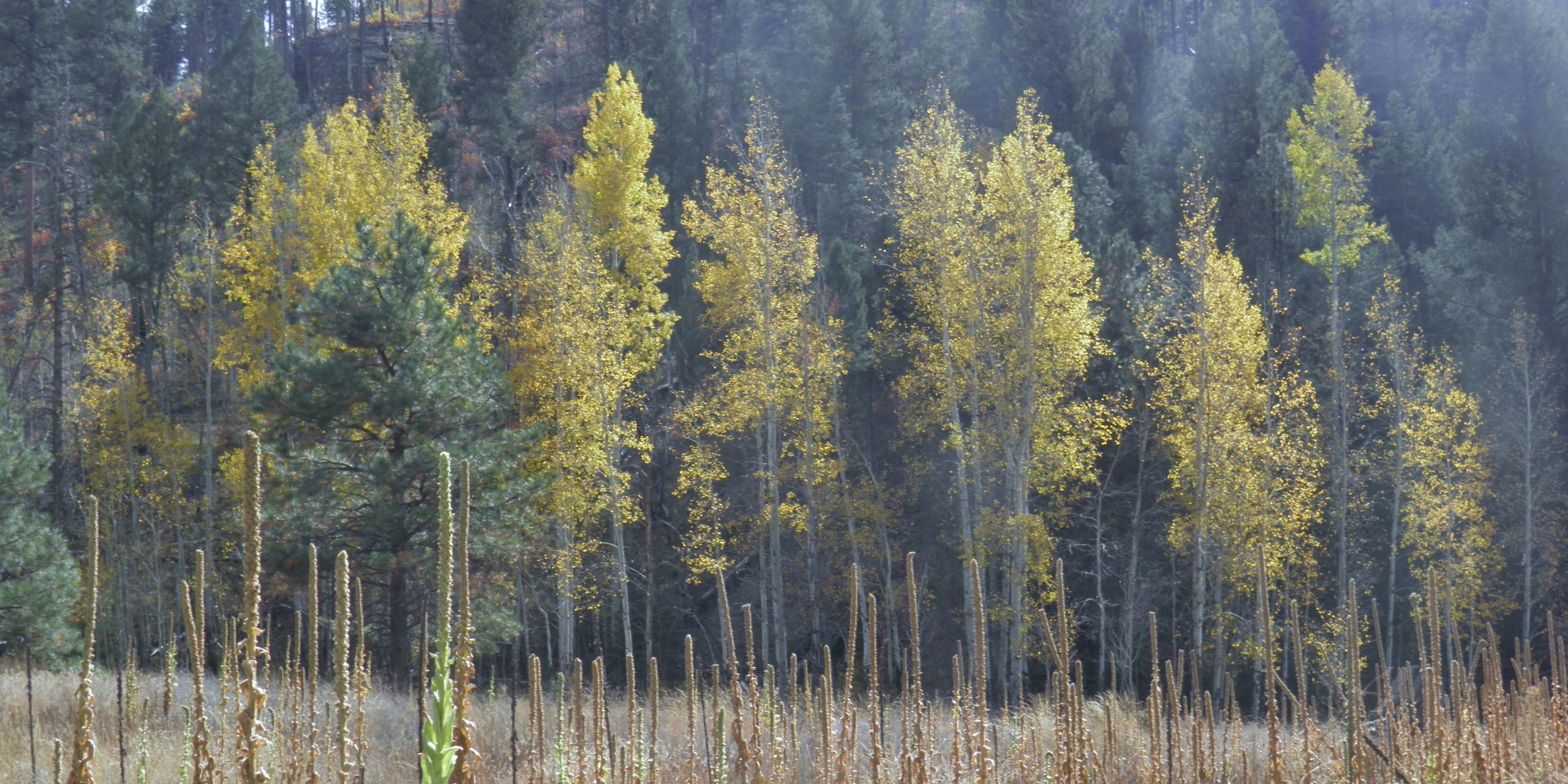
PHOTO: Aspen trees in autumn (New Mexico). Photo by Ken Hartke, used by permission.

NOTE FROM THE AUTHOR: Fall has faded but winter has not yet taken its first bite. The Aspens have fallen asleep and the wind carries away their leaves. The Jemez Mountains, stretching north from San Ysidro, New Mexico, are the remnants of multiple eruptions of an ancient super-volcano that collapsed into a its grassy caldera, now a gathering place for elk. The Guadalupe Canyon, and the river of the same name, wind through the southern slopes of the range. It is a quiet time and most enjoyable on foot along the canyon trails.

hartke-3

ABOUT THE AUTHOR: Ken Hartke is a writer and photographer from the Rio Grande Valley in New Mexico, but was originally planted and nourished in the Midwest’s big river valleys. Always a writer, his writing was mainly work-focused until he landed in New Mexico in 2013 seeking a new second act. The state has been very welcoming. His New Mexico photography now inspires much of his writing — and sometimes the other way around. The great backcountry continually offers itself as a subject. He has contributed work for the Late Orphan Project’s anthology, These Winter Months (The Backpack Press), Silver Birch Press, and Foliate Oak Literary Magazine. He keeps an active web presence on El Malpais.

Early Morning at Worden Truck Stop, Klamath Falls by Jonathan Yungkans

truck stop oregon

Early Morning at Worden Truck Stop, Klamath Falls
          a sequence of American sentences
by Jonathan Yungkans

November snow. Semi-trailer trucks dormant. No car braves the silence.

Wind sands basalt from a volcanic peak to hover and stretch as clouds.

Sky stained twilight blue with cloud dust. Sun dim though shining, earthbound with sleep.

One nearby tree more skeleton than birch and nothing and the earth shifts.

PHOTO: Worden Truck Stop, 19777 Highway 97 S, Klamath Falls, Oregon, 97603. Photo by tlpclpdlp (November 2018). 

AUTHOR’S NOTES ON THE POEM: Klamath Falls, Oregon, was an extended stop when I traveled on the Amtrak Coast Starlight between Los Angeles and Tacoma, Washington. There was frequently snow, and I generally braved the cold long enough for some welcome fresh air and the chance to snap a few pictures. The stop this particular day was much longer than usual. Through the windows on the side opposite the platform, clouds appeared frozen mid-turbulence and their stasis seemed to envelop the peak, the truck stop, the train itself. The scene was wondrous in its beauty and a little frightening.

AUTHOR’S NOTES ON THE FORM: Allen Ginsberg conceived the American sentence—generally a single line of 17 syllables—as an equivalent of Japanese haiku. Poet Paul E. Nelson says it, like haiku, captures “the shadow of the moment,” a fragment of perception. I wondered how American sentences could be combined in a cogent yet loose narrative, both observing the form and expanding upon it. The spacing between lines is intentional, to allow each its individual weight and to maintain a measured pace.

yungkans_author_pic

ABOUT THE AUTHOR: Jonathan Yungkans is a Los Angeles-based writer and photographer with an MFA from California State University, Long Beach. His work has appeared in San Pedro Poetry Review, SynkronicitiWest Texas Literary Review, and other publications. His second poetry chapbook, Beneath a Glazed Shimmer, won the 2019 Clockwise Chapbook Prize and is slated for release by Tebot Bach Publishing in 2020.

One Vote by Aimee Nezhukumatathil

eagle david osmond licensed

One Vote
by Aimee Nezhukumatathil

After reading a letter from his mother, Harry T. Burn cast the deciding vote to ratify the 19th Amendment of the U.S. Constitution

My parents are from countries
where mangoes grow wild and bold
and eagles cry the sky in arcs and dips.
America loved this bird too and made

it clutch olives and arrows. Some think
if an eaglet falls, the mother will swoop
down to catch it. It won’t. The eagle must fly
on its own accord by first testing the air-slide

over each pinfeather. Even in a letter of wind,
a mother holds so much power. After the pipping
of the egg, after the branching—an eagle is on
its own. Must make the choice on its own

no matter what it’s been taught. Some forget
that pound for pound, eagle feathers are stronger
than an airplane wing. And even one letter, one
vote can make the difference for every bright thing.

Copyright © 2020 Aimee Nezhukumatathil. This poem was co-commissioned by the Academy of American Poets and the New York Philharmonic as part of the Project 19 initiative, and appeared in the Spring-Summer 2020 issue of American Poets.

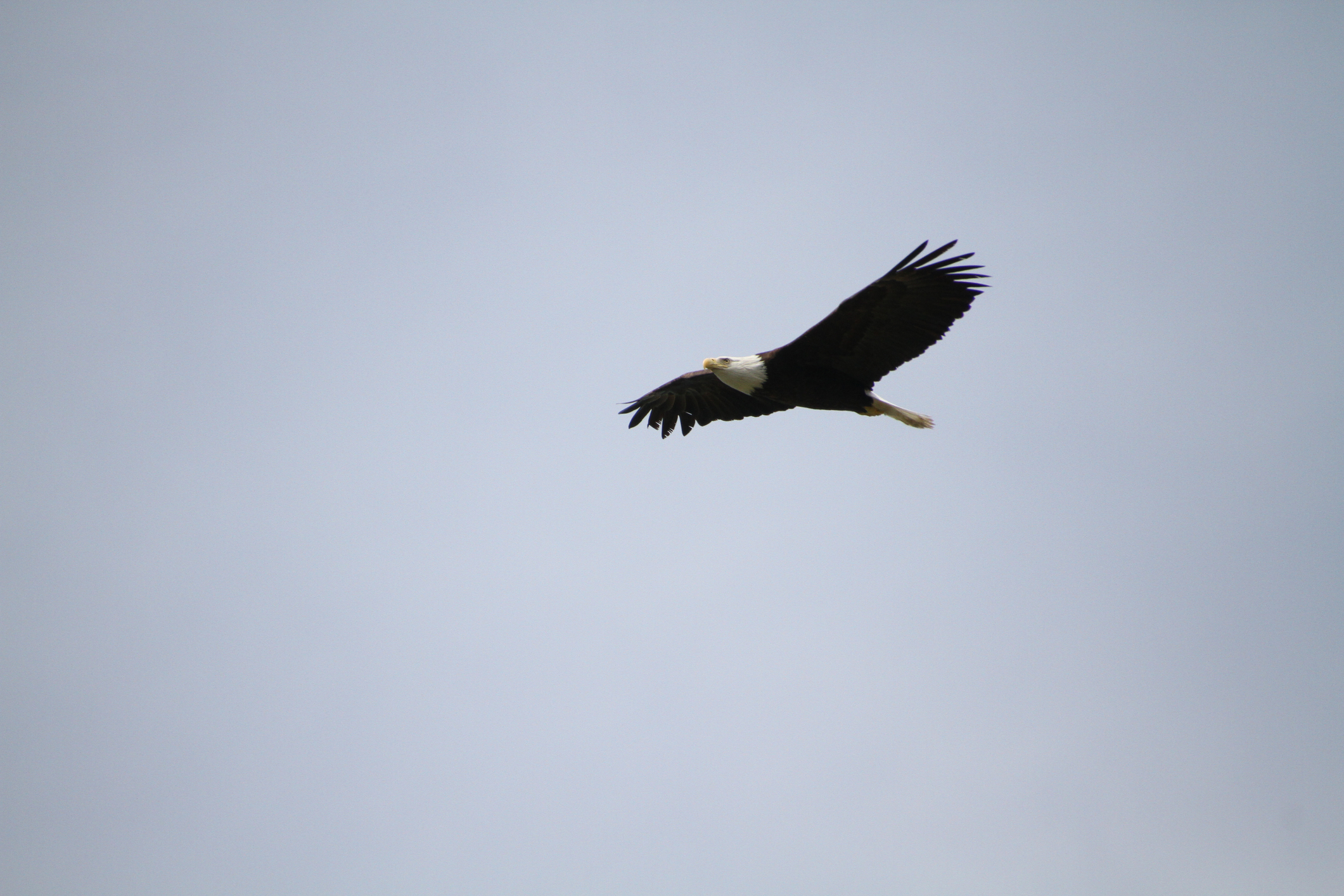
PHOTO: Flying bald eagle by David Osmond, used by permission. 

white.nezhukumatathil-1

ABOUT THE AUTHOR: Aimee Nezhukumatathil is the author of the illustrated collection of nature essays and Kirkus Prize finalist, WORLD OF WONDERS: IN PRAISE OF FIREFLIES, WHALE SHARKS, & OTHER ASTONISHMENTS (2020, Milkweed Editions), and four poetry collections: OCEANIC (Copper Canyon Press, 2018), LUCKY FISH (2011), AT THE DRIVE-IN VOLCANO (2007), and MIRACLE FRUIT (2003), the last three from Tupelo Press.  Her most recent chapbook is LACE & PYRITE, a collaboration of garden poems with the poet Ross Gay. Her writing appears twice in the Best American Poetry Series, The New York Times Magazine, ESPNPloughshares, American Poetry Review, and Tin House. Honors include a poetry fellowship from the National Endowment for the Arts, the Pushcart Prize, a Mississippi Arts Council grant, and being named a 2020 Guggenheim Fellow in poetry. She is professor of English and Creative Writing in the University of Mississippi’s MFA program. Visit her at aimeenez.net

Author photo by Caroline Beffa.

Considering the Void by Jimmy Carter

Washington DC VP licensed

Considering the Void
by Jimmy Carter

When I behold the charm
of evening skies, their lulling endurance;
the patterns of stars with names
of bears and dogs, a swan, a virgin;
other planets that the Voyager showed
were like and so unlike our own,
with all their diverse moons,
bright discs, weird rings, and cratered faces;
comets with their streaming tails
bent by pressure from our sun;
the skyscape of our Milky Way
holding in its shimmering disc
an infinity of suns
(or say a thousand billion);
knowing there are holes of darkness
gulping mass and even light,
knowing that this galaxy of ours
is one of multitudes
in what we call the heavens,
it troubles me. It troubles me.

NOTE: “Considering the Void” appears in Jimmy Carter’s poetry collection Always a Reckoning and Other Poems (1994). Listen to Jimmy Carter recite his poem at youtube.com.

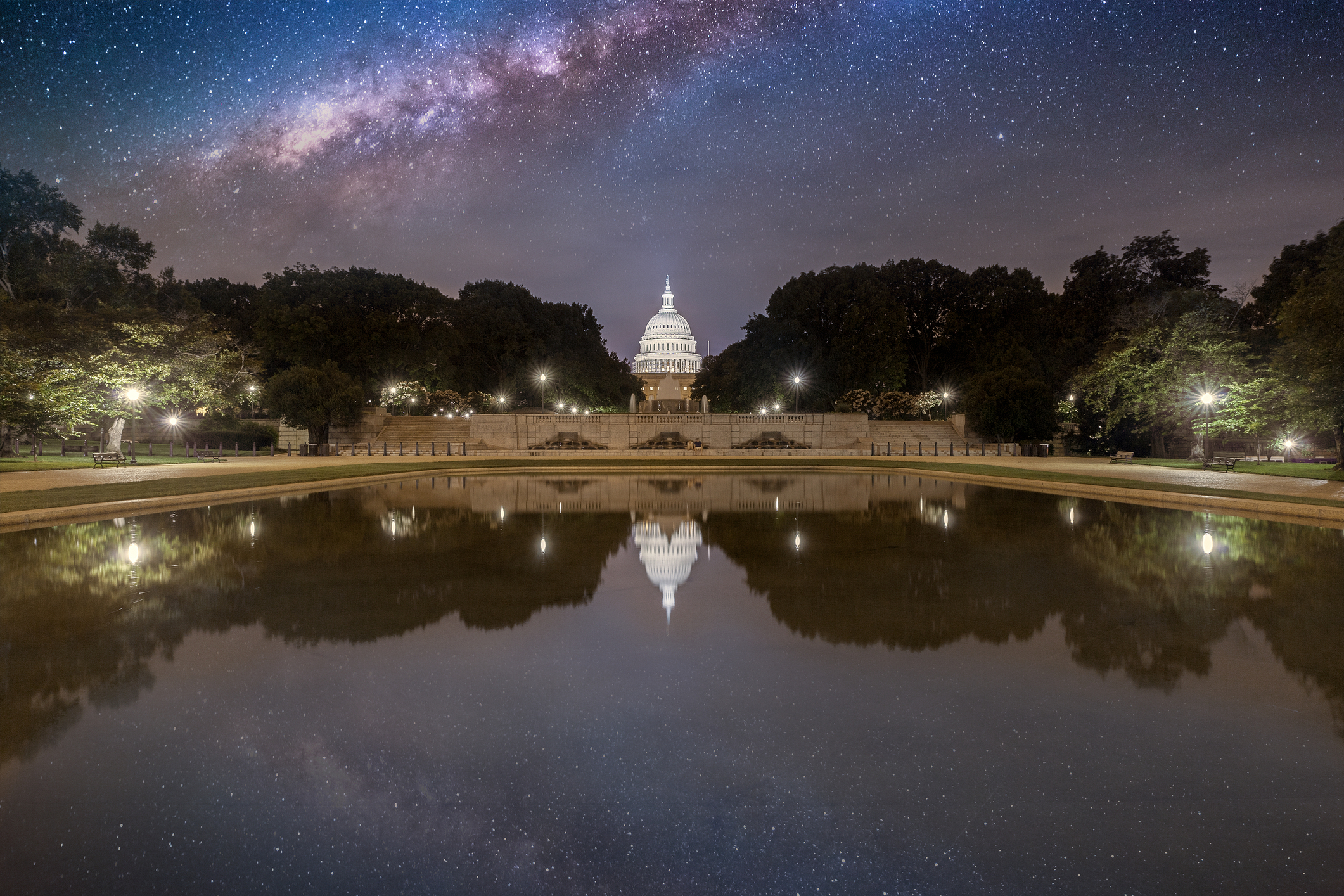
PHOTO: Night sky and Milky Way over United States Capitol Building, Washington, DC. Photo by VP, Dreamstime, used by permission.

carter 1

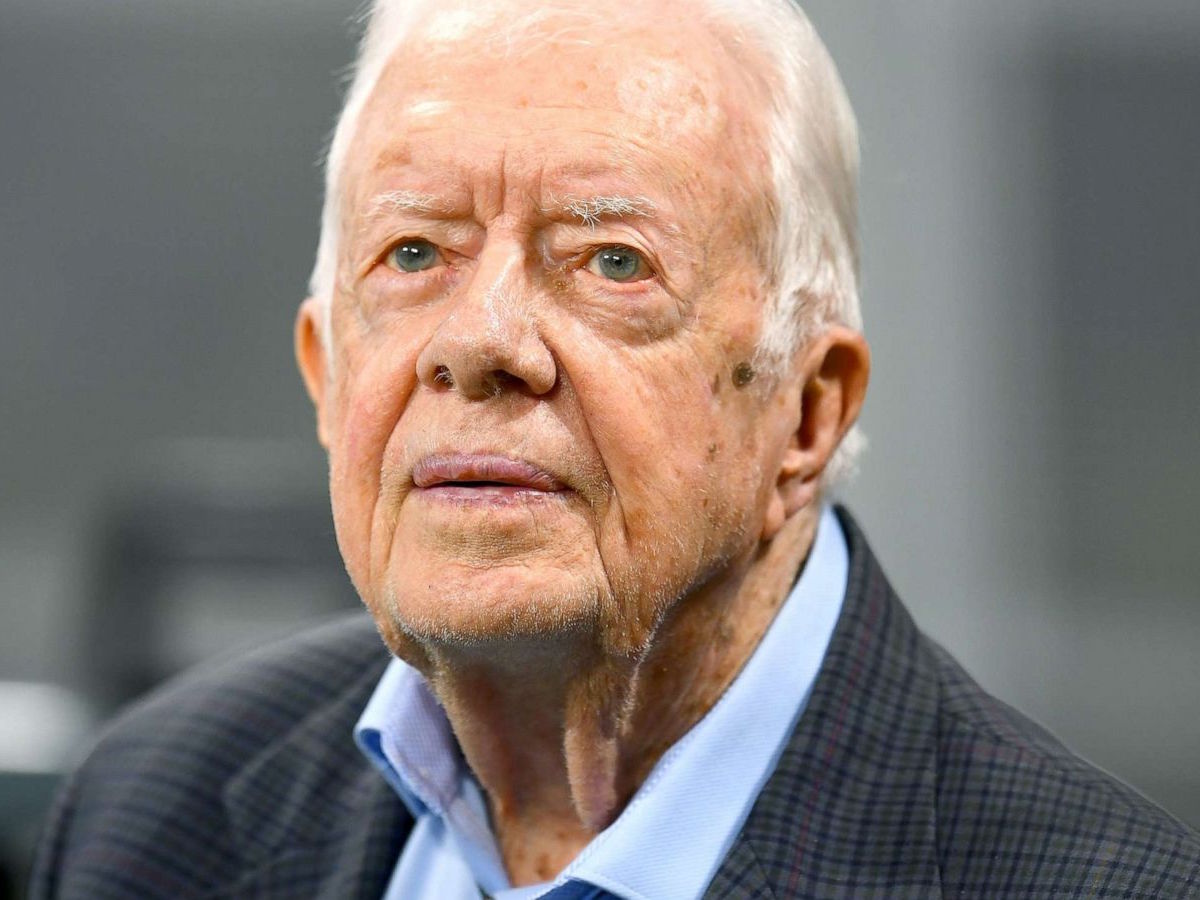
ABOUT THE AUTHOR: James Earl Carter Jr. (born October 1, 1924) is an American politician, philanthropist, and former farmer who served as the 39th president of the United States from 1977 to 1981. A member of the Democratic Party, he previously served as a Georgia State Senator from 1963 to 1967 and as the 76th governor of Georgia from 1971 to 1975. Since leaving the presidency, Carter has remained engaged in political and social projects as a private citizen. In 2002, he was awarded the Nobel Peace Prize for his work in co-founding the Carter Center, which he established in 1982 to promote and expand human rights.  He has traveled extensively to conduct peace negotiations, monitor elections, and advance disease prevention and eradication in developing nations. Carter is considered a key figure in the Habitat for Humanity charity. He has written over 30 books, ranging from political memoirs to poetry, while continuing to actively comment on ongoing American and global affairs. The earliest-serving of the five living U.S. presidents, Carter is the longest-lived president, the longest-retired president, the first to live 40 years after his inauguration, and the first to live beyond the age of 95.